
By the Wellness Ways Editorial Team | Last Updated: June 2026 | Category: Brain Clarity | Reading Time: ~18 min
Brain fog affects millions of adults. The good news: there are 12 proven, natural ways to reclaim your mental sharpness.
Picture this: it’s 2:30 in the afternoon. You’re at your desk staring at the same paragraph you’ve now read three times. The words are there, but nothing is sticking. Your thoughts feel slow, scattered — like you’re trying to think through a thick layer of cotton wool. You open a new tab, forget why, close it. You pour another cup of coffee and hope for the best.

If that scene sounds familiar, you are not alone. Research suggests that up to 60% of adults experience symptoms of brain fog on a regular basis — poor concentration, mental fatigue, sluggish recall, and a nagging sense that your thinking just isn’t as sharp as it used to be. And most people chalk it up to stress, aging, or “just how it is.”
But here’s what the science actually tells us: brain clarity is not fixed. It is not simply determined by genetics or an inevitable casualty of a busy modern life. Your cognitive sharpness is profoundly responsive to the choices you make every single day — from how long you sleep to what you eat for breakfast, from how often you move your body to whether you check your phone first thing in the morning.
This guide is your complete, evidence-based roadmap to understanding and reclaiming your mental sharpness. By the time you finish reading, you will have 12 proven, natural strategies to improve brain clarity — backed by peer-reviewed research, explained in plain English, and organized for real-life implementation. No prescription drugs. No gimmicks. No hype. Just what the science actually says, and exactly what you can do about it starting today.
Let’s clear the fog.
📖 Table of Contents
- What Exactly Is Brain Clarity (And Why Does It Matter)?
- The Most Common Causes of Poor Brain Clarity
- 12 Proven Natural Strategies to Improve Brain Clarity
- Prioritize Deep, Restorative Sleep
- Eat for Your Brain — The Cognitive Diet
- Move Your Body to Sharpen Your Mind
- Hydrate Aggressively
- Master Stress Before It Masters You
- Harness the Power of Natural Nootropics
- Fix Your Gut to Clear Your Head
- Leverage Strategic Intermittent Fasting
- Protect Your Focus With Digital Boundaries
- Get Sunlight First Thing in the Morning
- Train Your Brain Deliberately
- Check Your Key Nutrient Levels
- Building Your Personal Brain Clarity Protocol — A Day-in-the-Life Example
- How Long Before You Notice a Difference?
- Frequently Asked Questions About Brain Clarity
- When to Seek Professional Support
- Conclusion + Free Consultation CTA
What Exactly Is Brain Clarity (And Why Does It Matter)?
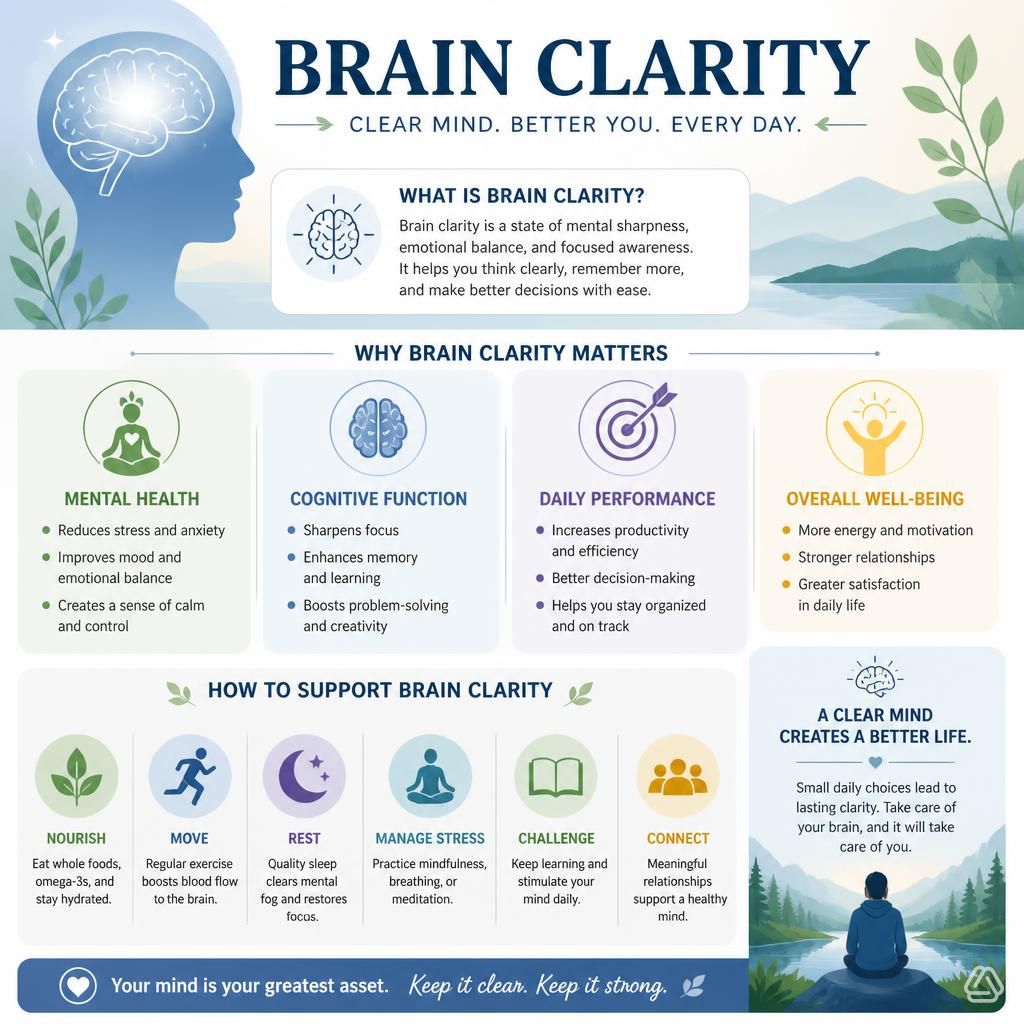
Brain clarity is the state in which your mind operates at or near its optimal capacity — the ability to think quickly and accurately, sustain deep focus, process new information efficiently, form clear decisions, and retrieve memories with ease. When you have it, tasks feel fluid. Conversations feel alive. Creative ideas connect naturally. You feel, simply, on.
The opposite — brain fog — is not a clinical diagnosis but a well-recognized symptom cluster: mental fatigue, slowed thinking, forgetfulness, difficulty concentrating, word-finding problems, and a pervasive sense of cognitive “heaviness.” It is the feeling that your brain is buffering when it should be running at full speed.
Why does this matter beyond daily productivity? Because cognitive clarity is directly tied to your quality of life, relationships, professional performance, and long-term brain health. People experiencing chronic brain fog report lower mood, reduced confidence, impaired decision-making, and increased anxiety. And the research is sobering: mild cognitive decline affects an estimated 1 in 5 adults under the age of 60 — a figure that increases significantly with age.
Crucially, the habits that protect brain clarity today are the same habits that reduce the risk of serious cognitive decline later. Alzheimer’s disease — which affects over 6 million Americans — is now understood by many researchers as a disease with roots decades before any symptoms appear. Every choice you make to support your brain today is an investment in your cognitive future.
Brain clarity is not a luxury. It is the foundation upon which everything else in your life is built. And the science is clear: you have far more control over it than you’ve been told.
What Is Brain Fog? Causes, Symptoms & When to Worry
The Most Common Causes of Poor Brain Clarity
Before you can fix something, you need to understand what’s breaking it. Brain fog rarely has a single cause — it is almost always the result of multiple compounding factors, each one dimming your cognitive performance a little more. Here are the most significant contributors, all supported by published research:
Chronic Sleep Deprivation
Sleep is not downtime — it is your brain’s most critical maintenance window. During deep slow-wave sleep, the brain activates the glymphatic system, a specialized waste-clearance network that literally flushes metabolic toxins — including amyloid beta and tau proteins associated with Alzheimer’s disease — out of brain tissue. Chronic sleep deprivation shuts this system down. Even a single night of poor sleep measurably impairs working memory, executive function, and reaction time. Over time, accumulated sleep debt is one of the single greatest drivers of cognitive decline.
Nutritional Deficiencies
Your brain accounts for roughly 2% of your body weight but consumes approximately 20% of your daily energy. It depends on a specific roster of micronutrients to function optimally. Vitamin B12 deficiency — extremely common in adults over 50 and in vegans — directly impairs myelin sheath integrity, the protective coating around nerve fibers. Magnesium deficiency (affecting an estimated 50% of Americans) disrupts GABA regulation and sleep quality. Low omega-3 DHA levels compromise the structural integrity of neuronal membranes. Vitamin D deficiency has been linked in multiple studies to increased risk of depression, cognitive impairment, and dementia.
Chronic Stress and Elevated Cortisol
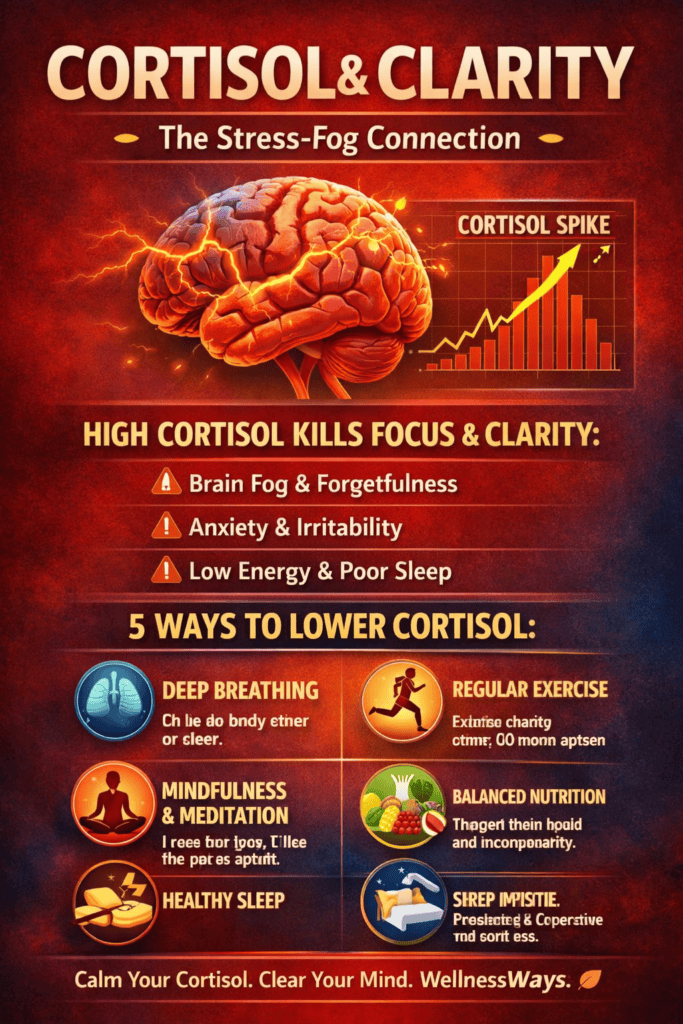
Short-term stress is neurologically useful — it sharpens attention and mobilizes energy. But chronically elevated cortisol is profoundly destructive to the brain. Research shows it causes measurable shrinkage of the prefrontal cortex (your decision-making and focus hub) and the hippocampus (your memory center). Chronic stress also suppresses neurogenesis — the growth of new brain cells — and disrupts sleep, creating a feedback loop that accelerates cognitive decline.
Sedentary Lifestyle
The human brain evolved in a body that moved — extensively, consistently, and variably. Physical movement triggers the release of Brain-Derived Neurotrophic Factor (BDNF), sometimes called “Miracle-Gro for the brain,” which promotes the growth and maintenance of neurons and synaptic connections. A sedentary lifestyle dramatically reduces BDNF levels, leading to reduced neuroplasticity, poorer mood, and impaired cognitive performance.
Gut Microbiome Imbalances
The gut-brain connection is no longer fringe science — it is one of the most active areas of neuroscience research. Your gut produces approximately 90% of your body’s serotonin and communicates bidirectionally with the brain via the vagus nerve. When the gut microbiome is dysbiotic (imbalanced), it generates inflammatory compounds that cross the blood-brain barrier, directly impairing cognitive function and mood. Studies have linked gut dysbiosis to anxiety, depression, and brain fog.
Dehydration
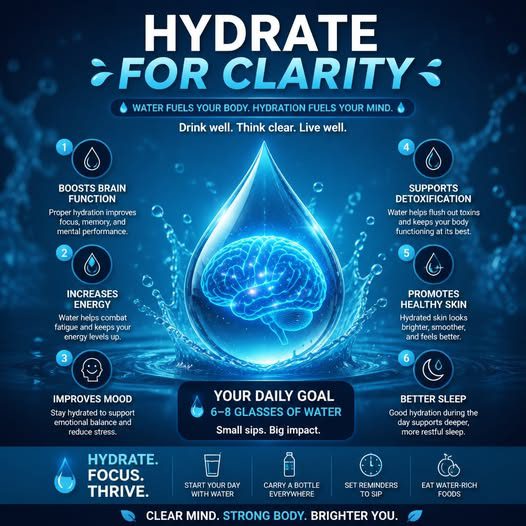
The brain is approximately 75% water. Research published in peer-reviewed nutrition journals has demonstrated that even a 1–2% drop in hydration is sufficient to measurably impair short-term memory, attention, and psychomotor speed. Many adults walk around in a state of mild chronic dehydration without recognizing it — and attribute the resulting mental sluggishness to almost anything else. Make sure to Hydrate for Clarity!
Excessive Screen Time and Digital Overstimulation
Constant digital stimulation — notifications, social media scrolling, context-switching between apps — fragments attention and conditions the brain to expect rapid, low-effort novelty. Over time, this shrinks your capacity for deep, sustained focus. Research on “attention residue” shows that even after switching tasks, the brain continues partially processing the previous task, reducing cognitive resources available for the current one.
Inflammatory Diet
Ultra-processed foods, refined carbohydrates, trans fats, and excess sugar promote systemic inflammation — which crosses the blood-brain barrier and directly impairs neuronal function. Blood glucose spikes following high-sugar meals have been shown to impair hippocampal function — the region of the brain responsible for memory formation and consolidation. Diet is one of the most powerful, and most underutilized, tools for brain performance.
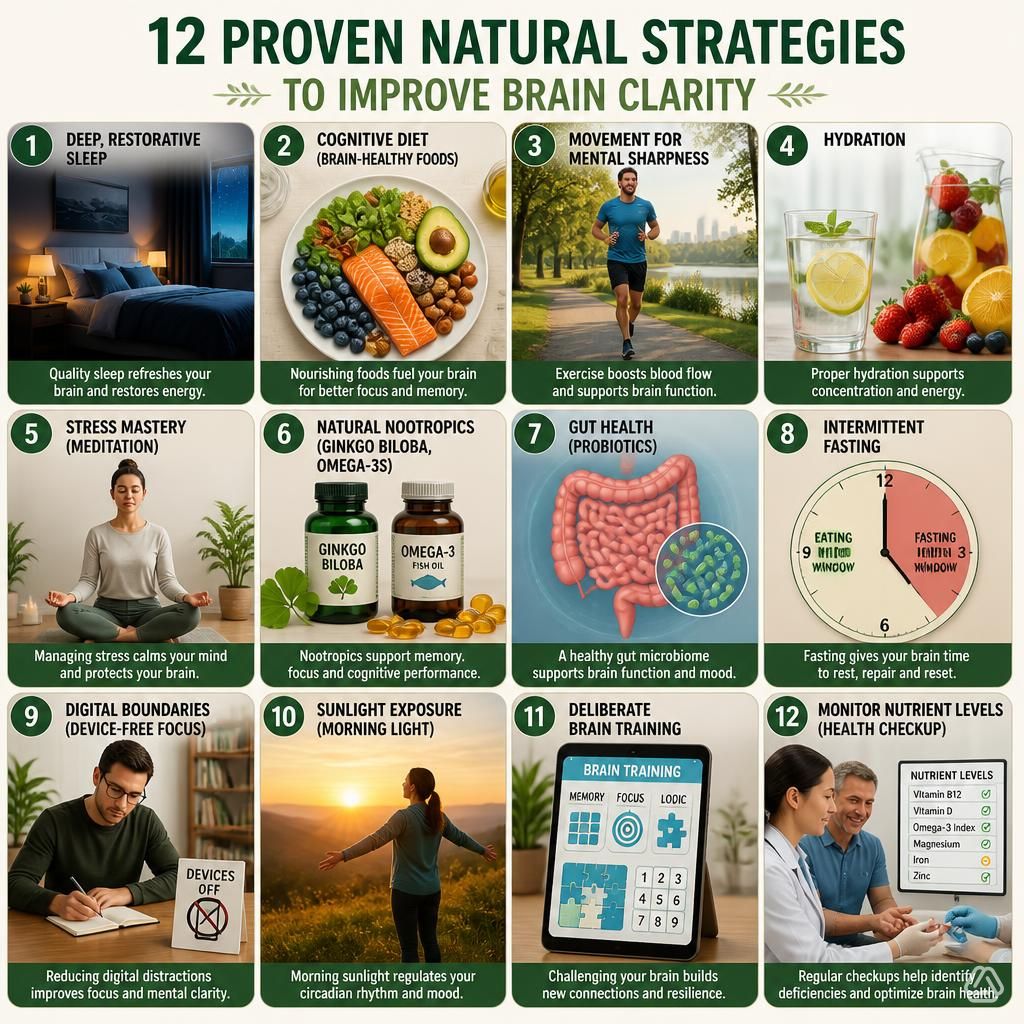
12 Proven Natural Strategies to Improve Brain Clarity
These strategies are ordered for maximum impact — but all twelve work synergistically. The more you implement, the more dramatic and lasting the results. Each one is grounded in peer-reviewed research and structured for immediate, practical application.
1. Prioritize Deep, Restorative Sleep
If you only do one thing on this list, do this. Sleep is your brain’s single most powerful cognitive maintenance tool — and the most widely neglected. During deep, slow-wave sleep, your brain activates the glymphatic system — a network of fluid-filled channels that expands during sleep to flush out metabolic waste products that accumulate throughout the day. These include amyloid beta and tau proteins, the same proteins implicated in Alzheimer’s disease. In other words, your brain literally washes itself clean while you sleep. Shortcut this process and you shortcut your cognitive performance — today and decades from now.
The National Sleep Foundation and most major sleep research bodies recommend 7–9 hours of quality sleep per night for adults. But quantity is only half the equation. Sleep quality — specifically how much time you spend in deep restorative stages — determines how effective that sleep actually is. Chronic use of alcohol, sleep aids, or blue-light exposure before bed can suppress the deep sleep stages your brain most needs.
Actionable tips for better sleep quality:
- Set a consistent bedtime and wake time — even on weekends. Your circadian rhythm is a biological clock that rewards regularity.
- Keep your bedroom cool (60–67°F / 15–19°C), dark, and quiet.
- Eliminate screens (phones, tablets, computers, TV) for at least 60 minutes before bed — blue light suppresses melatonin by up to 50%.
- Avoid alcohol within 3 hours of bedtime — it fragments sleep architecture even when it feels like it helps you fall asleep faster.
- Consider magnesium glycinate before bed — research supports its role in GABA regulation and improving sleep depth.
⚡ Quick Win
Set a non-negotiable bedtime alarm — not a wake-up alarm, but a go-to-bed alarm — for tonight. Decide what time you need to be in bed and honor it like a meeting you cannot cancel.
The Science of Sleep and Brain Health: What Happens to Your Brain While You Sleep
2. Eat for Your Brain — The Cognitive Diet
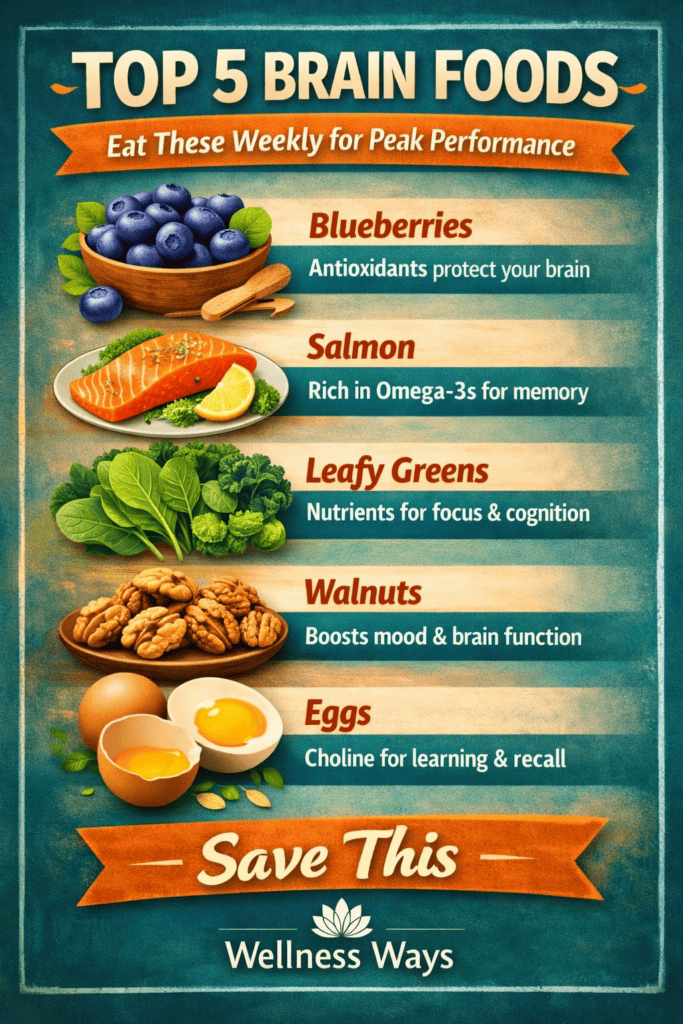
Food is information. Every bite you take sends molecular signals that either support or undermine your brain’s ability to function clearly. The two dietary patterns most consistently linked to superior cognitive performance in peer-reviewed research are the Mediterranean diet and the MIND diet (Mediterranean-DASH Intervention for Neurodegenerative Delay). Both emphasize whole, minimally processed foods rich in anti-inflammatory compounds, healthy fats, and neuroprotective micronutrients.
Brain-boosting foods to prioritize:
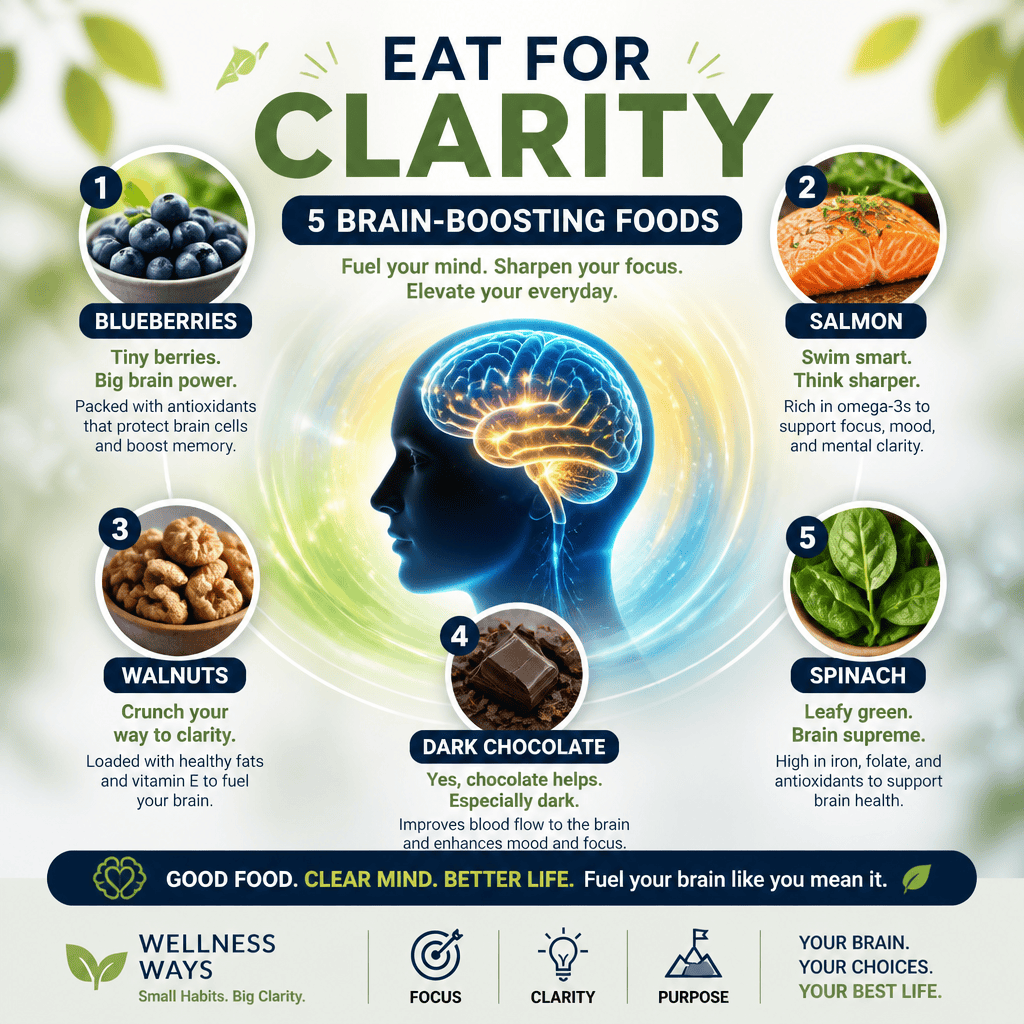
- Fatty fish (salmon, sardines, mackerel): Rich in DHA and EPA — the omega-3 fatty acids that make up a significant portion of neuronal membranes. Higher DHA intake is associated with improved memory, focus, and mood regulation.
- Blueberries: Packed with flavonoids that cross the blood-brain barrier, reduce neuroinflammation, and improve communication between brain cells. One of the most studied brain foods in the literature.
- Leafy greens (spinach, kale, arugula): High in lutein, folate, vitamin K, and beta-carotene — all linked to slower cognitive decline. The MIND diet study found that one serving of leafy greens per day was associated with a brain that functioned like a person 11 years younger.
- Walnuts: Uniquely high in plant-based omega-3s, polyphenols, and vitamin E. Studies show regular walnut consumption improves cognitive test scores and reduces inflammation.
- Turmeric (curcumin): Its active compound curcumin crosses the blood-brain barrier and has been shown in multiple studies to reduce neuroinflammation and stimulate production of BDNF.
- Extra virgin olive oil: Rich in oleocanthal, a natural anti-inflammatory compound with mechanisms similar to ibuprofen but without the side effects.
Foods to significantly reduce or eliminate:
- Ultra-processed foods and fast food (inflammatory, nutrient-poor)
- Refined sugar and high-fructose corn syrup (impair hippocampal function via glucose spikes)
- Trans fats and hydrogenated oils (disrupt neuronal membrane integrity)
- Excessive alcohol (toxic to neurons, disrupts sleep architecture)
⚡ Quick Win
Add a small handful of walnuts to tomorrow’s breakfast. No prep, no recipe — just a simple, research-backed brain boost in 10 seconds.
The MIND Diet for Brain Health: What to Eat, What to Avoid, and What the Science Says

3. Move Your Body to Sharpen Your Mind
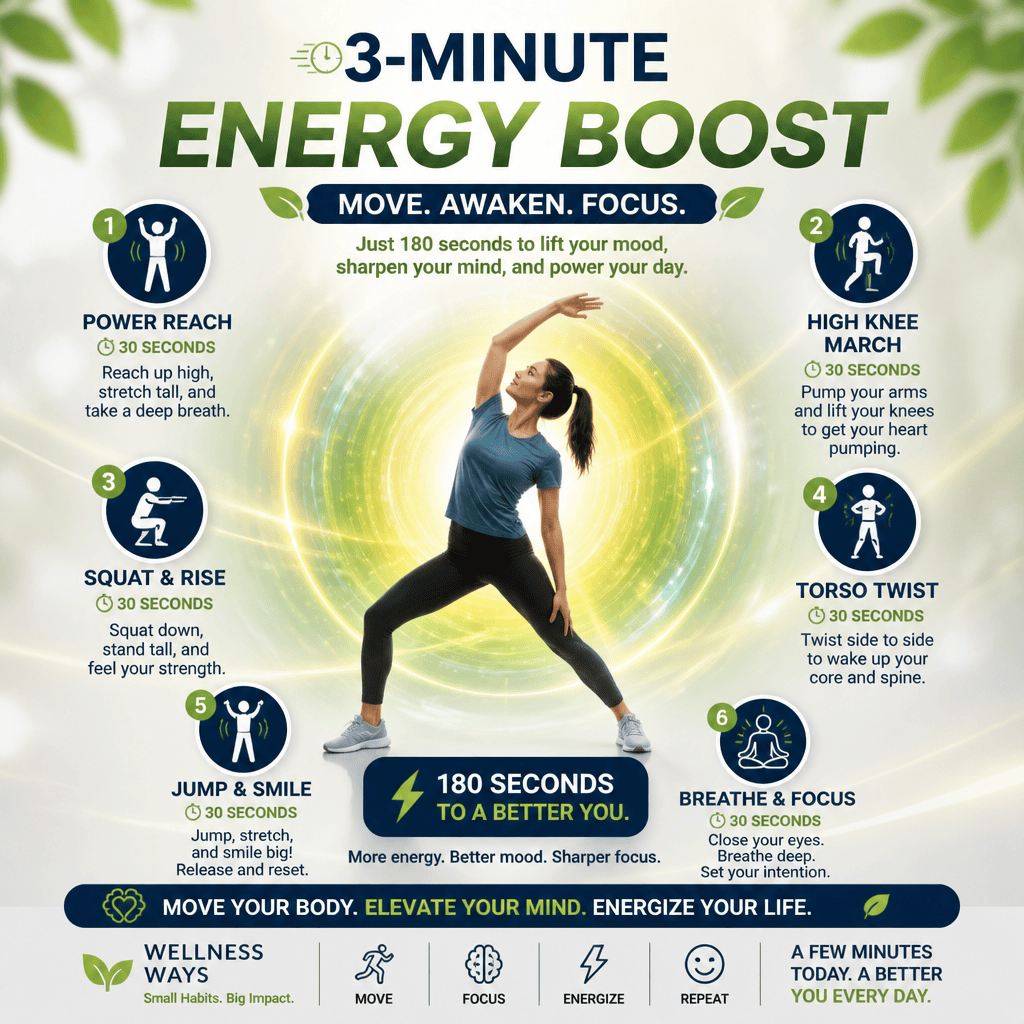
Exercise is arguably the most powerful cognitive enhancer available without a prescription. The mechanism is direct and well-established: physical activity — especially aerobic exercise — triggers the release of Brain-Derived Neurotrophic Factor (BDNF), a protein that acts like fertilizer for your neurons. BDNF promotes the growth of new brain cells (neurogenesis), strengthens synaptic connections, and protects existing neurons from damage. Sedentary individuals have measurably lower BDNF levels than active ones.
A landmark study from the University of British Columbia found that regular aerobic exercise increases the volume of the hippocampus — the brain’s memory and learning center — by approximately 2% in older adults, effectively reversing several years of age-related shrinkage. Aerobic exercise 3–5 times per week for 30–45 minutes appears to be the sweet spot for cognitive benefit, though even lower doses deliver measurable results.
Here’s a striking finding: a single 20-minute brisk walk has been shown to improve executive function, creativity, and working memory for up to two hours afterward. You don’t need an elite fitness regimen. You need consistent, moderate movement — preferably every day.
Exercise also significantly reduces anxiety and depression — two conditions that are themselves major contributors to brain fog and impaired cognitive performance. The cognitive benefits of exercise are therefore both direct (BDNF, blood flow) and indirect (mood, stress reduction, sleep quality).
Movement types and their cognitive benefits:
- Aerobic exercise (walking, running, cycling, swimming): Best for BDNF, neurogenesis, and hippocampal volume
- Resistance training: Improves executive function and spatial memory
- Yoga and tai chi: Reduce cortisol, improve attention, support stress resilience
- High-Intensity Interval Training (HIIT): Shown to produce large, rapid increases in BDNF
⚡ Quick Win
Take a 20-minute brisk walk today — and leave the headphones at home. Notice your environment. Let your mind wander. This is active recovery for your brain.
4. Hydrate Aggressively
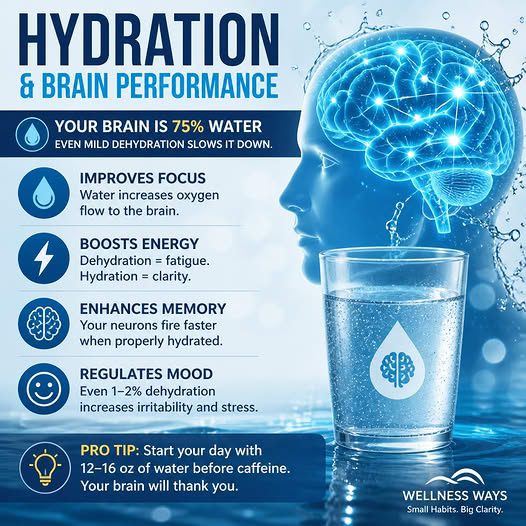
This one sounds almost too simple to be meaningful. It isn’t. Your brain is approximately 75% water, and it is exquisitely sensitive to hydration status. Research — including a widely cited 2014 review by Masento et al. — has demonstrated that a loss of just 1–2% of body water is sufficient to produce measurable impairments in short-term memory, attention, psychomotor speed, and mood. That is a dehydration level most adults reach before they feel noticeably thirsty.
This matters enormously in practice: many adults who attribute their afternoon brain fog to insufficient caffeine or poor sleep are, in fact, simply under-hydrated. Coffee is a mild diuretic. Air conditioning is dehydrating. Even talking depletes moisture. It adds up faster than most people realize.
Practical hydration guidelines:
- Daily target: Approximately half your body weight in ounces of water (e.g., a 160 lb person targets 80 oz / ~2.4 liters per day). Adjust upward in heat or with exercise.
- Start your day with 16–20 oz of water before coffee — you wake up mildly dehydrated after 7–9 hours without fluids.
- Add a pinch of sea salt or electrolytes to morning water to improve cellular absorption, especially if you exercise or sweat heavily.
- Eat water-rich foods: cucumbers, celery, watermelon, strawberries, and leafy greens contribute meaningfully to hydration.
Dehydration warning signs that mimic brain fog: headache, fatigue, difficulty concentrating, irritability, dark yellow urine, and dry mouth. If you notice these, drink water before reaching for caffeine.
⚡ Quick Win
Right now — before reading another word — drink a full glass (8–12 oz) of water. Your brain will thank you within minutes.
5. Master Stress Before It Masters You
Stress is not inherently harmful — in short, controlled bursts, cortisol actually sharpens focus, mobilizes glucose for brain fuel, and primes alertness. The problem is chronic, unmanaged stress. When cortisol remains persistently elevated — a hallmark of modern life — it begins to actively damage the very brain structures you rely on for clarity.
Neuroscience research, including studies from Rockefeller University, has shown that chronic stress physically shrinks the prefrontal cortex — the region governing executive function, decision-making, impulse control, and working memory — and the hippocampus — responsible for memory formation and learning. It suppresses neurogenesis, impairs synaptic plasticity, and disrupts sleep quality, creating a reinforcing spiral of cognitive decline.
The good news: the brain is remarkably plastic, and stress-reduction practices produce measurable neurological change. Evidence-backed tools:
- Mindfulness meditation: A landmark Harvard study by Sara Lazar et al. found that just 8 weeks of consistent mindfulness practice produced measurable increases in grey matter density in the hippocampus and prefrontal cortex — regions directly involved in memory, learning, and self-awareness. Even 10 minutes per day produces documented cognitive benefits.
- 4-7-8 breathing: Inhale for 4 counts, hold for 7, exhale for 8. Activates the parasympathetic nervous system within seconds. Clinical studies confirm its effectiveness for acute stress reduction.
- Journaling: Writing out thoughts, worries, and to-do lists reduces cognitive load — the mental “RAM” consumed by holding unresolved thoughts. It frees working memory for focused thinking.
- Nature exposure: Even 20 minutes in green outdoor spaces has been shown to significantly lower cortisol and improve directed attention capacity.
- Social connection: Spending time with people you trust lowers cortisol, raises oxytocin, and directly supports brain health.
⚡ Quick Win
After finishing this article, set a 5-minute mindfulness timer. Sit somewhere comfortable, close your eyes, and simply follow your breath. Five minutes. That’s all it takes to begin.
How Chronic Stress Affects Your Brain — And What to Do About It

6. Harness the Power of Natural Nootropics
A nootropic is any substance — food, herb, or compound — that enhances cognitive function. The supplement industry is noisy and often misleading, but within it is a core group of natural compounds that have been studied rigorously and demonstrated genuine benefit for brain clarity, memory, and focus. Here are the ones with the strongest evidence base:
- Lion’s Mane Mushroom (Hericium erinaceus): This remarkable medicinal mushroom stimulates the production of Nerve Growth Factor (NGF) — a protein essential for the growth, maintenance, and survival of neurons. A double-blind, placebo-controlled study published in Phytotherapy Research found that participants with mild cognitive impairment who supplemented with Lion’s Mane for 16 weeks showed significantly improved cognitive test scores compared to placebo. Effects declined when supplementation stopped, suggesting ongoing use is required.
- Bacopa Monnieri: An Ayurvedic herb with an impressive clinical track record. Multiple 12-week randomized controlled trials have shown Bacopa supplementation produces significant improvements in memory recall, processing speed, and learning rate in healthy adults. It works by enhancing dendritic branching (communication pathways between neurons) and reducing oxidative stress in the brain. Note: Bacopa is a slow builder — expect 8–12 weeks for full effect.
- L-Theanine + Caffeine: Considered the gold standard nootropic stack. L-theanine (naturally found in green tea) promotes relaxed alertness without drowsiness; caffeine provides stimulation. Together, they produce a state of calm, focused energy that neither compound achieves alone. The synergistic effect has been confirmed in multiple double-blind studies. A 100mg L-theanine : 50mg caffeine ratio is the most studied.
- Rhodiola Rosea: A powerful adaptogen — it helps the body and brain adapt to stress. Particularly useful for reducing mental fatigue during cognitively demanding periods. Shown in clinical research to improve performance on complex mental tasks under stressful conditions.
- Ginkgo Biloba: One of the most studied botanical nootropics. Works primarily by increasing cerebral blood flow and reducing oxidative damage. Meta-analyses support its benefit for attention and memory, particularly in older adults.
⚠️ Important Note on Supplements
Quality matters enormously. The supplement industry is poorly regulated. Always choose products that are third-party tested (look for NSF, USP, or Informed Sport certification), use standardized extracts, and disclose their sourcing. A cheap, untested supplement is not better than nothing — it may actively contain contaminants or subtherapeutic doses.
⚡ Quick Win
Choose one supplement from the list above that resonates with your goals, research it using a trusted resource, and add it to a watchlist. Don’t impulse-buy — but do start the research today.
The Best Natural Nootropics for Focus and Memory — A Research-Based Review
7. Fix Your Gut to Clear Your Head
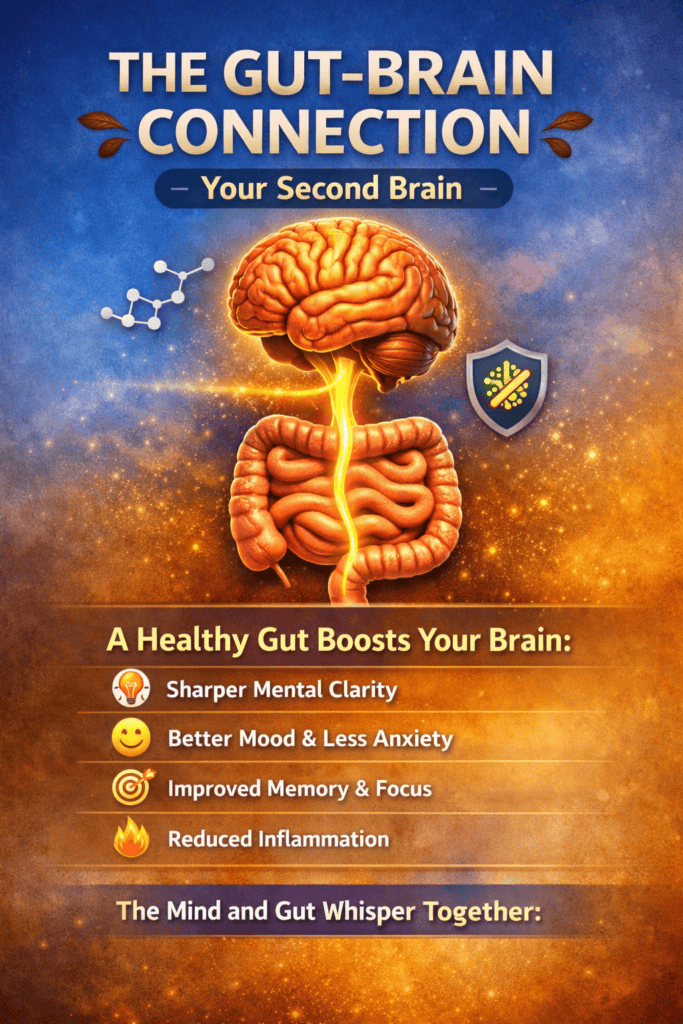
The connection between gut health and brain clarity is one of the most exciting frontiers in modern neuroscience — and one of the most practically actionable. The gut-brain axis is a bidirectional communication network linking your enteric nervous system (the roughly 500 million neurons lining your GI tract) with your central nervous system via the vagus nerve. This is not a metaphor. Your gut and brain are in constant, real-time chemical conversation.
Consider these facts: your gut produces approximately 90% of your body’s serotonin — the neurotransmitter most associated with mood, emotional regulation, and a sense of well-being. It also produces significant amounts of dopamine, GABA, and other signaling molecules that directly influence brain function. When gut microbiome diversity is compromised — through poor diet, antibiotic use, chronic stress, or lack of sleep — this biochemical pipeline is disrupted, and the effects are felt directly in the brain.
Research published in leading gastroenterology and neuroscience journals has linked gut dysbiosis (imbalanced gut bacteria) with brain fog, depression, anxiety, and impaired cognitive function. Conversely, studies on probiotic supplementation — particularly strains of Lactobacillus and Bifidobacterium — have shown measurable improvements in cognitive performance, mood, and stress response.
Strategies to optimize your gut-brain axis:
- Probiotics: Clinical evidence supports strains including L. acidophilus, L. plantarum, B. longum, and B. bifidum for cognitive and mood benefits.
- Prebiotics: Fiber-rich foods that feed beneficial bacteria — garlic, onions, leeks, asparagus, oats, and bananas are excellent sources.
- Fermented foods: Yogurt (with live cultures), kefir, sauerkraut, kimchi, miso, and tempeh naturally introduce beneficial bacteria.
- Reduce gut-damaging habits: Minimize processed food, excessive alcohol, unnecessary antibiotic use, and chronic stress — all of which deplete microbiome diversity.
⚡ Quick Win
Add one fermented food to your next meal. A spoonful of sauerkraut alongside dinner, a serving of kefir with breakfast, or a cup of plain yogurt with walnuts and blueberries — simple, immediate, and genuinely effective.
8. Leverage Strategic Intermittent Fasting
Intermittent fasting has been popularized as a weight-loss tool — but the evidence for its cognitive benefits is equally compelling, and arguably more interesting. When you fast beyond approximately 12–16 hours, your body shifts from burning glucose as its primary fuel source to producing ketone bodies — particularly beta-hydroxybutyrate (BHB). Ketones are a highly efficient fuel for the brain, and many people report dramatically improved mental clarity when their brain transitions to running on ketones rather than glucose.
Beyond fuel efficiency, fasting triggers a process called autophagy — literally “self-eating” — in which the body identifies and breaks down damaged proteins, dysfunctional organelles, and cellular debris. Think of autophagy as your body’s cellular housekeeping service. In the brain, autophagy is thought to reduce the accumulation of the misfolded proteins associated with neurodegenerative disease, and to reduce neuroinflammation more broadly.
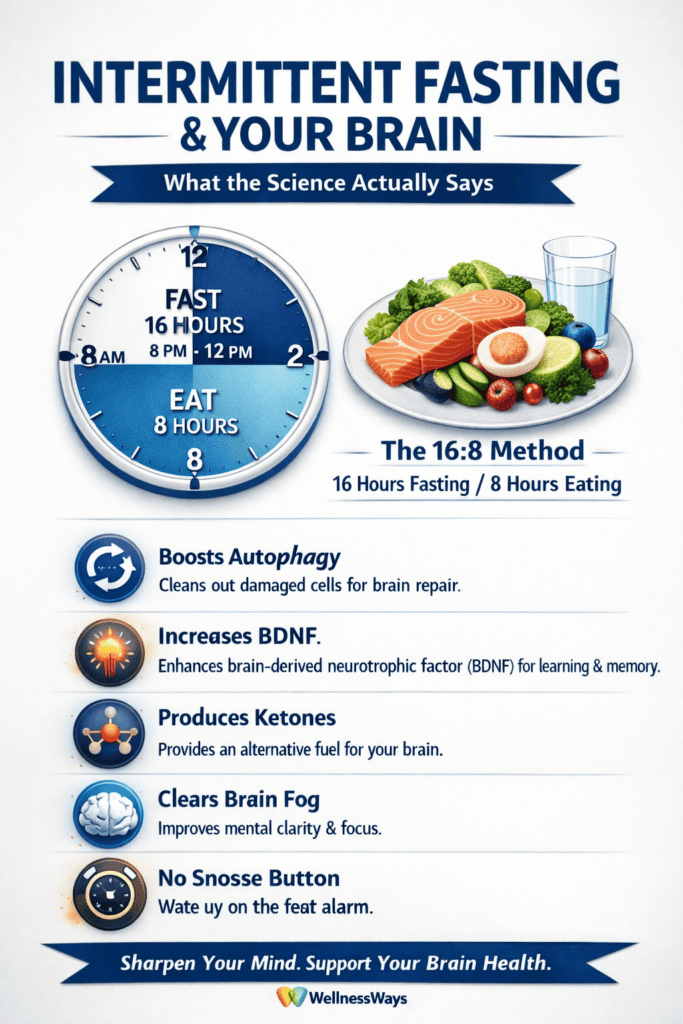
Fasting also stimulates the production of BDNF — the same neurotrophic factor stimulated by exercise — and research in both animals and humans suggests it enhances neuroplasticity and cognitive resilience.
The 16:8 method — fasting for 16 hours (including sleep) and eating within an 8-hour window — is the most studied and accessible approach. For most people, this means finishing dinner by 7pm and eating breakfast no earlier than 11am.
⚠️ Important Caution
Intermittent fasting is not appropriate for everyone — including pregnant or breastfeeding women, individuals with a history of eating disorders, type 1 diabetics, and those on certain medications. Always consult your healthcare provider before beginning a fasting protocol.
⚡ Quick Win
Try a mild version tomorrow: push breakfast 2 hours later than usual. You don’t have to commit to a full fasting protocol to begin experiencing the benefits of a longer overnight metabolic window.
9. Protect Your Focus With Digital Boundaries
This may be the most urgent strategy in this entire guide for most modern adults. Research by technology behavior researchers has found that the average person checks their smartphone approximately 96 times per day — once every 10 minutes during waking hours. Every notification, every ping, every social media pull-to-refresh delivers a small spike of dopamine — and simultaneously fragments your attention into smaller and smaller fragments.
Here’s the key mechanism: Dr. Sophie Leroy of the University of Washington identified a phenomenon she called “attention residue” — when you switch from one task to another, part of your cognitive capacity continues processing the previous task. The result is that you are never fully present at any one task, and your total available cognitive resources are perpetually depleted. This is why multitasking doesn’t just make you less efficient — it actively degrades the quality of your thinking.
Over time, chronic digital overstimulation literally rewires the brain to crave novelty and distraction, making sustained, deep, focused thinking feel increasingly difficult and uncomfortable. Cal Newport, in his influential book Deep Work, argues that the capacity for sustained deep focus is becoming simultaneously rarer and more economically and cognitively valuable.
Digital boundaries that protect brain clarity:
- Turn off all non-essential notifications — permanently. Email, social media, news alerts. Check them on your schedule, not theirs.
- Phone-free first 60 minutes of the day: Starting your day with intentional focus rather than reactive scrolling sets your brain’s attentional tone for the entire day.
- Work in deep focus blocks: 90-minute focused work sessions (aligned with your natural ultradian rhythm) followed by genuine breaks.
- Grayscale phone screen: Making your phone screen black-and-white dramatically reduces its dopaminergic pull. Try it for one week.
- No-phone zones: Meals, the bedroom, and the first and last 30 minutes of each day.
⚡ Quick Win
Go to your phone settings right now and turn off every non-essential notification — social media, news, promotional apps. Keep only calls and messages. Do it this minute. This single change can reclaim hours of cognitive capacity per week.
10. Get Sunlight First Thing in the Morning
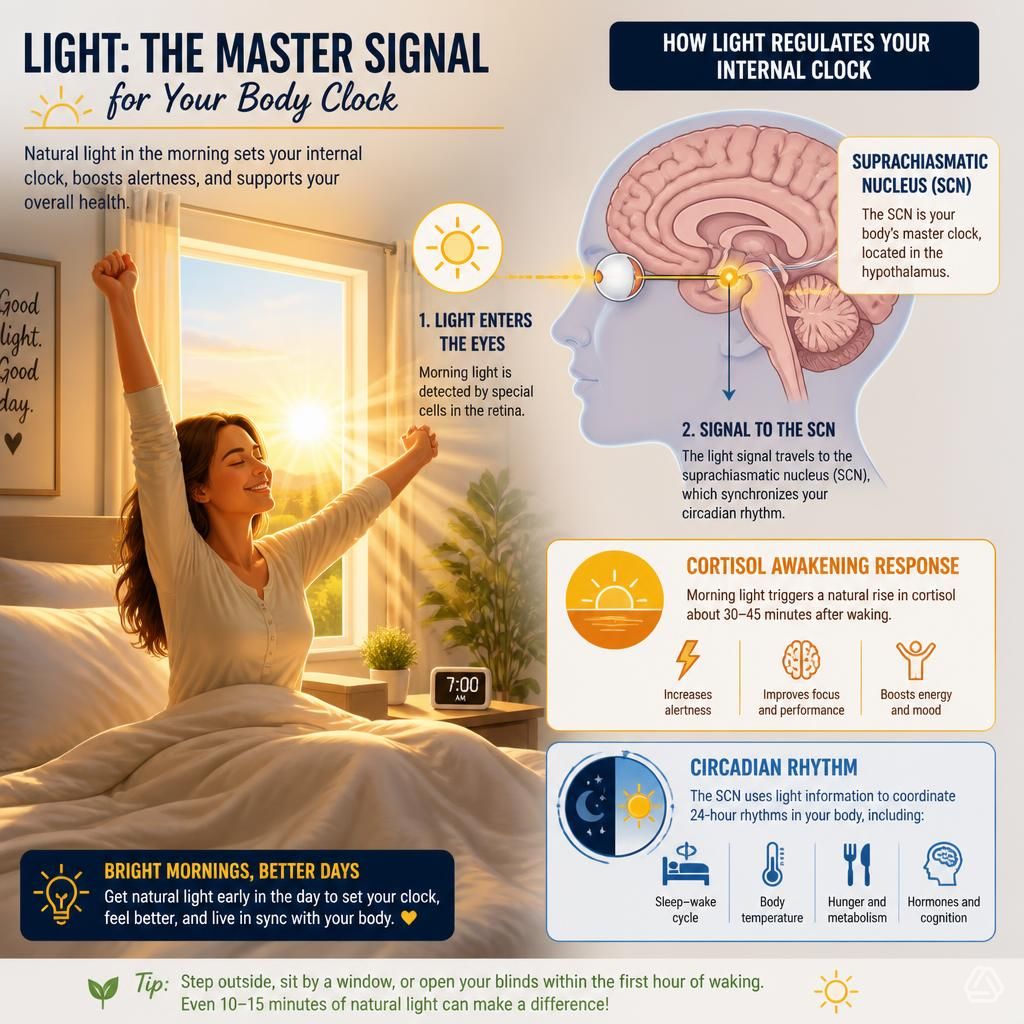
Morning sunlight exposure is one of the most powerful and completely free cognitive tools available to you — and it is almost universally underutilized. Stanford neuroscientist Dr. Andrew Huberman has extensively popularized the science, but the research base is deep and well-established in chronobiology.
Here’s what happens when bright outdoor light enters your eyes (specifically through the non-image-forming photoreceptors in your retina) within the first hour of waking:
- It triggers a cortisol spike — at the right time of day, this is healthy and desirable. It wakes you up, sharpens alertness, and initiates your body’s biological clock for the day.
- It suppresses residual nighttime melatonin, completing the transition from sleep mode to wake mode.
- It sets your circadian clock precisely — which means your melatonin will rise at the right time 12–14 hours later, making it dramatically easier to fall asleep and achieve deep sleep that night.
- It stimulates serotonin production, which is both a mood-stabilizing neurotransmitter and a precursor to melatonin.
The practical prescription: 10–20 minutes of outdoor morning light exposure within 30–60 minutes of waking, ideally without sunglasses (though never stare directly at the sun). Even on overcast days, outdoor light intensity is typically 10–50x higher than indoor artificial lighting — sufficient to trigger the biological cascade described above.
This single habit, practiced consistently, has a compounding positive effect on sleep quality, mood, energy, cortisol rhythm, and cognitive performance throughout the day.
⚡ Quick Win
Tomorrow morning, before you look at your phone, step outside for 10 minutes. Walk to the end of the street and back. Look toward the sky (not at the sun). Notice how different your morning feels.
11. Train Your Brain Deliberately
Neuroplasticity — the brain’s ability to reorganize itself by forming new neural connections — is not a feature of childhood that disappears in adulthood. Your brain retains the capacity for neuroplasticity throughout your entire life. But plasticity is not passive — it requires deliberate, challenging, novel mental engagement to remain active.
The key principle is this: the brain adapts to whatever you use it for. Passive entertainment (endless scrolling, reality TV, familiar routines) may be enjoyable, but it does not stimulate the kind of demanding neural engagement that builds cognitive reserve and sharpens clarity. What does?
- Learning a new language: One of the most cognitively demanding and well-studied activities for brain health. Bilingualism is associated with a 4–5 year delay in dementia onset in multiple population studies. Even beginning-level language learning produces measurable grey matter increases in key brain regions.
- Playing a musical instrument: Engages virtually every region of the brain simultaneously — motor, auditory, visual, emotional, memory. Considered by many neuroscientists to be the single most comprehensive brain workout available.
- Strategic games (chess, bridge, strategy board games): Build executive function, pattern recognition, working memory, and cognitive flexibility.
- Complex puzzles and problem-solving: Crosswords, number puzzles, or logic problems — provided they remain genuinely challenging (once mastered, switch to something harder).
- Social engagement: This is perhaps the most underappreciated brain-training tool. Multiple longitudinal studies have found that rich social engagement is associated with a 40–46% reduction in the risk of cognitive decline. Conversation, debate, storytelling, and social problem-solving engage the brain in uniquely complex and demanding ways.
The key criterion: it must be genuinely challenging and meaningfully novel. Comfortable familiarity does not build cognitive reserve.
⚡ Quick Win
Download Duolingo and complete your first 5-minute language lesson today. Or pull out an instrument you’ve always wanted to learn and play five minutes of scales. Start the habit now, while the motivation is fresh.
12. Check Your Key Nutrient Levels
You can implement every strategy in this guide and still experience significant brain fog if you have an undetected nutritional deficiency. This is more common than most people realize — and many physicians don’t routinely screen for the specific nutrients that most directly impact cognitive function.
Even mildly suboptimal levels of the following nutrients — technically within the “normal” range but not at levels associated with optimal brain function — can produce significant cognitive symptoms:
| Nutrient | Role in Brain Function | Who Is at Risk | Optimal Level (consult your doctor) |
|---|---|---|---|
| Vitamin B12 | Myelin sheath integrity; nerve signal transmission; DNA synthesis in neurons | Adults 50+, vegans, vegetarians, those on metformin or PPIs | >400 pg/mL (many labs flag only <200 as “deficient”) |
| Vitamin D | Neuronal protection; mood regulation; inflammatory control; receptor expression in brain | Anyone in northern latitudes, desk workers, people with darker skin | 50–80 ng/mL (not just “in range”) |
| Magnesium | GABA regulation; sleep quality; nerve transmission; 300+ enzymatic reactions | ~50% of Americans; those with high stress, alcohol use, or poor diet | RBC magnesium test more accurate than serum; target >6.0 mg/dL |
| Omega-3 (DHA/EPA) | Neuronal membrane fluidity; anti-neuroinflammation; BDNF support | Those who rarely eat fatty fish; vegans; most of the population | Omega-3 Index >8% (Omega-3 Index test) |
| Iron | Oxygen delivery to brain; dopamine synthesis; mitochondrial function | Premenopausal women, athletes, vegans/vegetarians | Ferritin >50 ng/mL for optimal cognitive function |
Request a comprehensive blood panel from your primary care physician, or explore at-home testing services that measure these specific markers. Don’t assume that being “within normal range” means your levels are optimal for peak brain function — laboratory “normal” ranges are designed to identify disease, not optimize performance.
💊 Supplement Note
If your panel reveals deficiencies, addressing them with high-quality, bioavailable forms of each nutrient can produce dramatic cognitive improvements.
⚡ Quick Win
At your next doctor’s appointment, specifically request testing for Vitamin B12, Vitamin D, ferritin, and a full metabolic panel. If you’d prefer not to wait, investigate at-home health testing options that measure these markers directly.
Building Your Personal Brain Clarity Protocol — A Day-in-the-Life Example
Knowing the strategies is one thing. Seeing how they weave together into a real, livable day is another. Here’s what an optimized Brain Clarity Day can look like — not a rigid schedule, but a template that integrates all 12 strategies naturally. Notice how each habit supports the next, creating a compounding ecosystem of cognitive health.
| Time | Activity | Strategy Applied |
|---|---|---|
| 6:30 AM | Wake at consistent time — no phone. Drink 16 oz water + pinch sea salt immediately. | #1 Sleep, #4 Hydration |
| 6:40 AM | Step outside for 10–15 minutes. Walk the block. Face the sky. Breathe fresh air. | #10 Sunlight, #3 Movement |
| 7:00 AM | Brain-supporting breakfast: 2 eggs, a handful of blueberries, walnuts, and leafy greens. Optional: coffee + L-theanine. | #2 Cognitive Diet, #6 Nootropics |
| 7:30 AM | 5–10 minutes of mindfulness or journaling. Set 3 priorities for the day. | #5 Stress Management |
| 8:00–10:00 AM | First deep work block. Phone on Do Not Disturb. Notifications off. Single task only. | #9 Digital Boundaries |
| 10:00 AM | Short break. Drink another 12–16 oz of water. Take a 5-minute walk or stretch. | #4 Hydration, #3 Movement |
| 12:00–12:30 PM | Light, brain-supporting lunch: fatty fish or legumes, leafy greens, olive oil. Add a fermented food (kefir, yogurt, or sauerkraut). | #2 Cognitive Diet, #7 Gut Health |
| 12:30 PM | 20-minute walk after lunch. Leave phone inside. | #3 Movement, #9 Digital Boundaries |
| 1:00 PM | Take Lion’s Mane + L-Theanine. Begin second deep focus block (90 min). | #6 Nootropics |
| 3:00 PM | Hydration check + brief Duolingo lesson or brain training activity (15 min). | #4 Hydration, #11 Brain Training |
| 6:00 PM | Light dinner rich in vegetables, healthy fats, and lean protein. Finish eating by 7:00 PM (fasting window begins). | #2 Cognitive Diet, #8 Intermittent Fasting |
| 7:00–9:00 PM | Social connection — dinner conversation, a call with a friend, or a game night. Genuine human engagement. | #11 Brain Training, #5 Stress Management |
| 9:00 PM | Screens off. Dim household lights. Magnesium glycinate supplement. Light reading or journaling. | #1 Sleep, #12 Nutrients |
| 10:00 PM | Bedroom cool and dark. Consistent bedtime. Brain enters glymphatic cleaning mode. | #1 Sleep |
Does every day look exactly like this? Of course not. But having a template gives you a default to return to. The goal is not perfection — it is directional consistency. Each of these habits takes minutes, not hours. The compound effect of practicing them consistently over weeks and months is transformative.
“You do not rise to the level of your goals. You fall to the level of your systems.” — James Clear, Atomic Habits
How Long Before You Notice a Difference?
One of the most common — and most fair — questions we hear at Wellness Ways is: “How long will this actually take?” Setting realistic expectations is important. Different strategies work on different timescales, and understanding this helps you stay committed through the period before results become obvious.
| Strategy | When to Expect Noticeable Results |
|---|---|
| Hydration | 24–48 hours — improved mental alertness often felt within a single day of consistent intake. |
| Morning sunlight | 2–5 days — improved morning alertness and sleep quality typically noticed within the first week. |
| Digital detox / focus boundaries | 3–7 days — reduced anxiety and improved focus depth typically emerge within the first week. |
| Sleep optimization | 1–2 weeks of consistent sleep habits before full benefits of improved sleep architecture are felt. |
| Stress management practices | 2–3 weeks for measurable reduction in baseline cortisol; structural brain changes require 6–8 weeks of consistency. |
| Dietary changes | 3–4 weeks for measurable reduction in neuroinflammation and noticeable cognitive lift from dietary improvements. |
| Exercise (BDNF effects) | 4–6 weeks of regular aerobic exercise before BDNF-related neuroplasticity improvements become clearly perceptible. |
| Gut health optimization | 4–8 weeks to meaningfully shift microbiome composition and experience associated cognitive improvements. |
| Bacopa Monnieri | 8–12 weeks for full cognitive benefit, consistent with clinical trial timelines. |
| Nutrient repletion (B12, D, etc.) | 4–12 weeks depending on severity of deficiency and supplement form used. |
Here’s the crucial insight: the strategies that take longest to show full effect are often the ones with the deepest, most lasting impact. Brain clarity is not a destination you arrive at — it is a state you maintain through daily habits that compound over time.
Many people report a dramatic shift in their overall cognitive experience between 60 and 90 days of consistent implementation. Not because something magical happens at day 60 — but because by then, the habits have become automatic, the nutritional foundations are solid, the sleep is consistently restorative, and the brain has had enough time to physically adapt and rewire.
Start today. Not because the results will be instant — but because the version of you 90 days from now will be profoundly glad you did.

Frequently Asked Questions About Brain Clarity
What is the fastest way to improve brain clarity?
The fastest single changes you can make are hydration, morning sunlight, and eliminating distractions. Drinking a large glass of water, stepping outside for 10 minutes of morning light, and putting your phone on Do Not Disturb for a focused work session can produce noticeable cognitive improvements within the same day. For those dealing with significant brain fog, addressing a suspected nutritional deficiency — particularly Vitamin B12 or Vitamin D — can also produce relatively rapid improvement once levels begin to normalize. That said, the most powerful and lasting clarity improvements come from implementing multiple strategies simultaneously and sustaining them over weeks and months. Think of the fast wins as a spark — they give you an immediate taste of what’s possible and motivate the deeper, more lasting work.
Can brain fog be permanent?
In the vast majority of cases, brain fog is not permanent — it is a reversible symptom of underlying, addressable causes. When brain fog stems from poor sleep, nutritional deficiencies, chronic stress, a sedentary lifestyle, or gut dysbiosis — all of which are the most common causes — it responds well to targeted lifestyle intervention. Many people who have experienced years of chronic brain fog report remarkable recoveries once they systematically address the underlying contributors. That said, if brain fog is severe, sudden in onset, worsening despite lifestyle improvements, or accompanied by other neurological symptoms, it is important to seek professional evaluation. In some cases, brain fog may signal an underlying medical condition (thyroid disorder, sleep apnea, autoimmune disease, or clinical depression) that requires medical treatment. Don’t dismiss persistent fog as simply “getting older” — that is rarely the full picture.
What foods are worst for brain clarity?
The most cognitively damaging foods are refined sugar and high-fructose corn syrup, ultra-processed foods, trans fats, and excessive alcohol. Refined sugar causes rapid blood glucose spikes followed by crashes that impair hippocampal function — the brain’s memory hub. Ultra-processed foods are typically high in inflammatory vegetable oils, artificial additives, and refined carbohydrates, all of which promote neuroinflammation. Trans fats (partially hydrogenated oils, still found in some packaged baked goods and fast food) have been linked in multiple studies to increased dementia risk and impaired memory. Alcohol, while socially normalized, is directly neurotoxic at high doses and disrupts the deep sleep stages most essential for cognitive restoration even at moderate doses. Gluten and dairy can also contribute to brain fog in individuals with sensitivity or intolerance to these foods — worth investigating if other strategies haven’t produced results.
Is brain fog a sign of something serious?
Brain fog is most often a sign of common, correctable lifestyle factors — and not a harbinger of serious neurological disease. However, it is always worth taking seriously and investigating. Persistent, severe, or worsening brain fog — particularly when accompanied by significant memory loss, personality changes, difficulty with language, coordination problems, or mood disturbance — warrants evaluation by a qualified healthcare professional. Conditions that commonly cause brain fog and require medical management include: hypothyroidism, obstructive sleep apnea, clinical depression, ADHD, autoimmune conditions (including lupus, MS, and celiac disease), long COVID, and nutritional deficiencies. The natural strategies in this guide are evidence-based and beneficial regardless of cause — but they are not a substitute for professional diagnosis and care when symptoms are significant. If in doubt, get checked.
What is the single best supplement for brain clarity?
There is no universal single best supplement — because the most effective supplement for you is the one that addresses your specific deficiency or bottleneck. That said, if pressed for a starting point: if you haven’t had your Vitamin D and B12 levels tested recently, start there — deficiencies in these two nutrients alone account for a staggering proportion of the brain fog seen in adults over 40. Beyond deficiency correction, the nootropic compounds with the strongest published evidence bases are Lion’s Mane Mushroom (for NGF stimulation and neuroprotection), Bacopa Monnieri (for memory and processing speed), and L-Theanine paired with caffeine (for immediate calm focus). Always choose third-party tested products from reputable manufacturers, and introduce one supplement at a time so you can accurately assess its effect.
Can exercise really make you smarter?
Yes — and the evidence is remarkably robust. Exercise doesn’t just make you feel better; it physically changes the structure and function of the brain in ways that directly improve cognitive performance. The primary mechanism is the release of BDNF (Brain-Derived Neurotrophic Factor), which promotes neurogenesis (growth of new neurons), strengthens synaptic connections, and protects existing neurons from damage and aging. Regular aerobic exercise has been shown to increase hippocampal volume (improving memory and learning), enhance prefrontal cortex function (improving executive function and decision-making), improve processing speed, and reduce age-related cognitive decline. Even a single aerobic workout has been shown to produce immediate improvements in creativity, working memory, and focus lasting several hours. The cognitive benefits of exercise are most pronounced with regular aerobic activity (3–5 sessions per week) but begin to appear even with daily walks. It is not hyperbole to say that exercise is the closest thing to a cognitive performance drug that science has found.
When to Seek Professional Support
Everything in this guide is evidence-based, safe, and appropriate for healthy adults looking to optimize their cognitive performance. But Wellness Ways is an educational resource, not a medical provider — and there are situations where the right next step is a conversation with your doctor, not an upgrade to your supplement stack.
Please seek professional medical evaluation if you experience any of the following:
- Brain fog that is sudden in onset or has worsened significantly in a short period
- Significant memory loss — forgetting recent events, important appointments, or familiar names regularly
- Cognitive symptoms accompanied by mood changes, depression, or anxiety that feel beyond situational
- Any neurological symptoms: numbness, tingling, vision changes, difficulty with balance or coordination, or speech difficulties
- Brain fog that persists or worsens despite consistently implementing the strategies in this guide for 8–12 weeks
- Symptoms of sleep apnea: loud snoring, waking unrefreshed despite adequate hours in bed, daytime hypersomnia
These symptoms can signal underlying conditions — including thyroid dysfunction, sleep apnea, clinical depression, nutritional deficiency, autoimmune disease, or early cognitive decline — that require professional diagnosis and treatment. Addressing these with lifestyle strategies alone is not sufficient and can cause harm through delay.
Brain clarity decline is not an inevitable part of aging. It is almost always a signal — and signals deserve to be heard and investigated. The natural strategies in this guide can work alongside medical treatment and often enhance its effectiveness, but they cannot replace it when something more serious is at play.
If you are unsure, err on the side of getting checked. Your cognitive health is worth it.
CONCLUSION

Your Brain Clarity Journey Starts Now
You made it to the end of a well over 7,000-word guide — and the fact that you read this far tells you something important: your focus is already better than you think.
Let’s take stock of what you now know. You understand what brain clarity is and why it matters for your quality of life, your productivity, your relationships, and your long-term cognitive health. You understand the eight most common causes of brain fog — and more importantly, you understand that every single one of them is addressable. And you now have a complete, evidence-based toolkit: 12 proven natural strategies, each one grounded in published science, each one actionable starting today.
Brain clarity is not about perfection. It is not about overhauling your entire life overnight or turning yourself into a biohacking monk. It is about consistent, science-aligned daily choices that compound over time — the way interest compounds in a savings account. Small deposits, made regularly, grow into something substantial. A glass of water here. A morning walk there. A consistent bedtime. A handful of walnuts. These don’t sound like much individually. But implemented consistently, together, over weeks and months — they are genuinely transformative.
You have more control over your cognitive performance than you have been led to believe. Your brain is not a fixed, slowly declining organ — it is a dynamic, plastic, adaptable system that responds powerfully to how you treat it. The science is clear. The roadmap is in your hands. The next move is yours.
Start with one Quick Win from today’s reading. Just one. Then come back tomorrow for another. That’s how lasting cognitive change is built — one intentional choice at a time.
🧠 Ready to Take the Next Step?
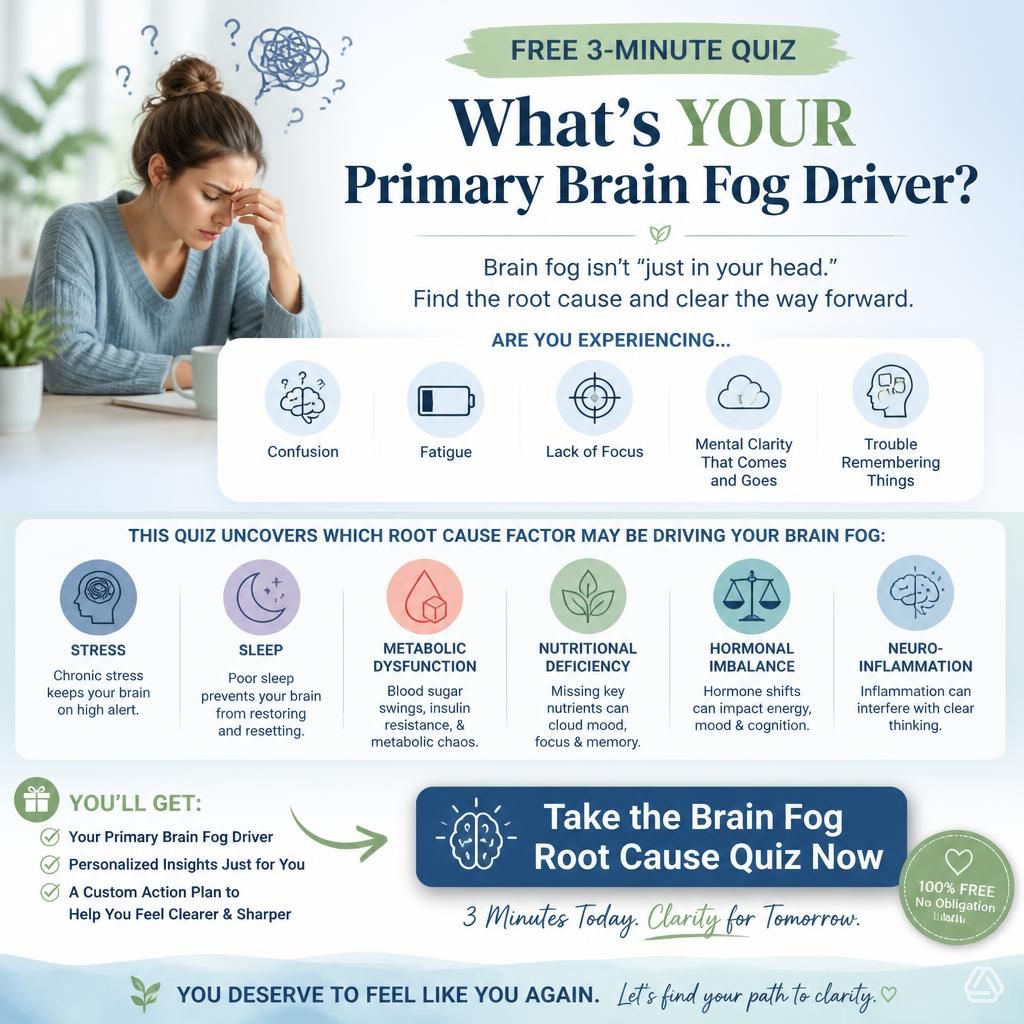
Not sure what’s causing your brain fog? Take our free 3-minute Root Cause Quiz and get your personalized action plan! → [Take The Quiz]
📋 Wellness Ways Editorial Standards
This article is reviewed for accuracy against current peer-reviewed research and updated regularly to reflect emerging science. It is intended for educational purposes only and does not constitute medical advice. The information provided is not a substitute for professional medical guidance, diagnosis, or treatment.
Always consult a qualified healthcare professional before making significant changes to your diet, supplement regimen, exercise habits, or health routine — particularly if you have an existing health condition or are taking medications.
Affiliate Disclosure: Some links in this article are affiliate links. Wellness Ways may earn a commission if you purchase through these links at no additional cost to you. We only recommend products we have independently evaluated and believe are consistent with our editorial standards for quality and evidence.
© 2026 WellnessWays.net | Last reviewed: June 2026