
Brain Fog: 12 Real Causes and How to Fix It Permanently
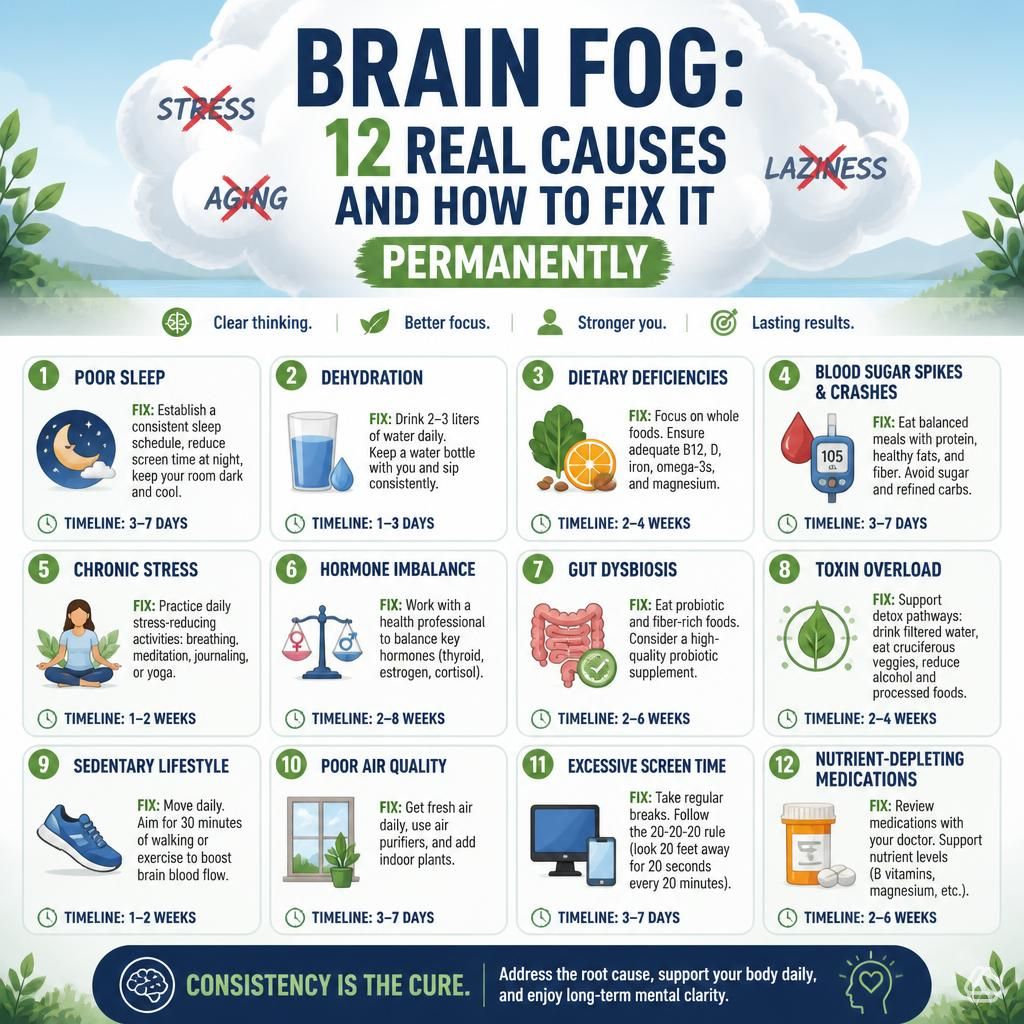
Brain fog is not a character flaw — it’s a symptom with identifiable causes and real solutions.
You’re not lazy. You’re not getting old. And you’re definitely not imagining it. That thick, cottony cloud between your brain and the world around you is real — and it has a name.
You know exactly what it feels like. You sit down to write a simple email and spend three minutes trying to remember the word available — a word you’ve used thousands of times. You’re mid-sentence in a conversation and your train of thought vanishes completely, like a tab that was open a second ago and is suddenly just… gone. You read the same paragraph four times and absorb nothing. You stare at a decision that should take thirty seconds — what to have for lunch, which task to do first — and feel completely paralyzed. It’s like thinking through wet cement.
That experience has a name: brain fog. And if you’re living with it, you’re far from alone. Millions of people drag themselves through their days with this invisible cognitive weight, and most of them have been told — or told themselves — some version of “this is just stress,” “I need more coffee,” or “I guess this is just what aging feels like.”
Here’s what nobody told you: brain fog is not a character flaw, not laziness, and not inevitable aging. It is a symptom — a signal your brain is sending that something in your biology, lifestyle, or environment needs attention. And symptoms have causes. Causes have solutions.
In this guide, you’re going to discover 12 specific, research-backed causes of brain fog — each one with a targeted, practical fix and a realistic timeline for improvement. Whether your fog has been with you for years or showed up recently, there is a root cause driving it. And once you find it, clearing it is entirely possible. Let’s get to work.
📚 Table of Contents
- What Exactly Is Brain Fog? (And What It Isn’t)
- Why Brain Fog Is More Common Than Ever
- The 12 Root Causes of Brain Fog — And How to Fix Each One
- Chronic Sleep Deprivation
- Nutritional Deficiencies
- Chronic Stress and Elevated Cortisol
- Gut Microbiome Dysbiosis
- Dehydration
- Inflammatory Diet
- Sedentary Lifestyle
- Digital Overstimulation and Attention Fragmentation
- Alcohol Consumption
- Thyroid Dysfunction
- Hormonal Imbalances
- Chronic Unresolved Emotional Stress / Trauma
- How to Find Your Root Cause — A Self-Diagnostic Framework
- The Brain Fog Recovery Protocol — Where to Start
- Frequently Asked Questions About Brain Fog
- When to See a Doctor About Brain Fog
- Conclusion: Your Brain Is Not Broken
What Exactly Is Brain Fog? (And What It Isn’t)
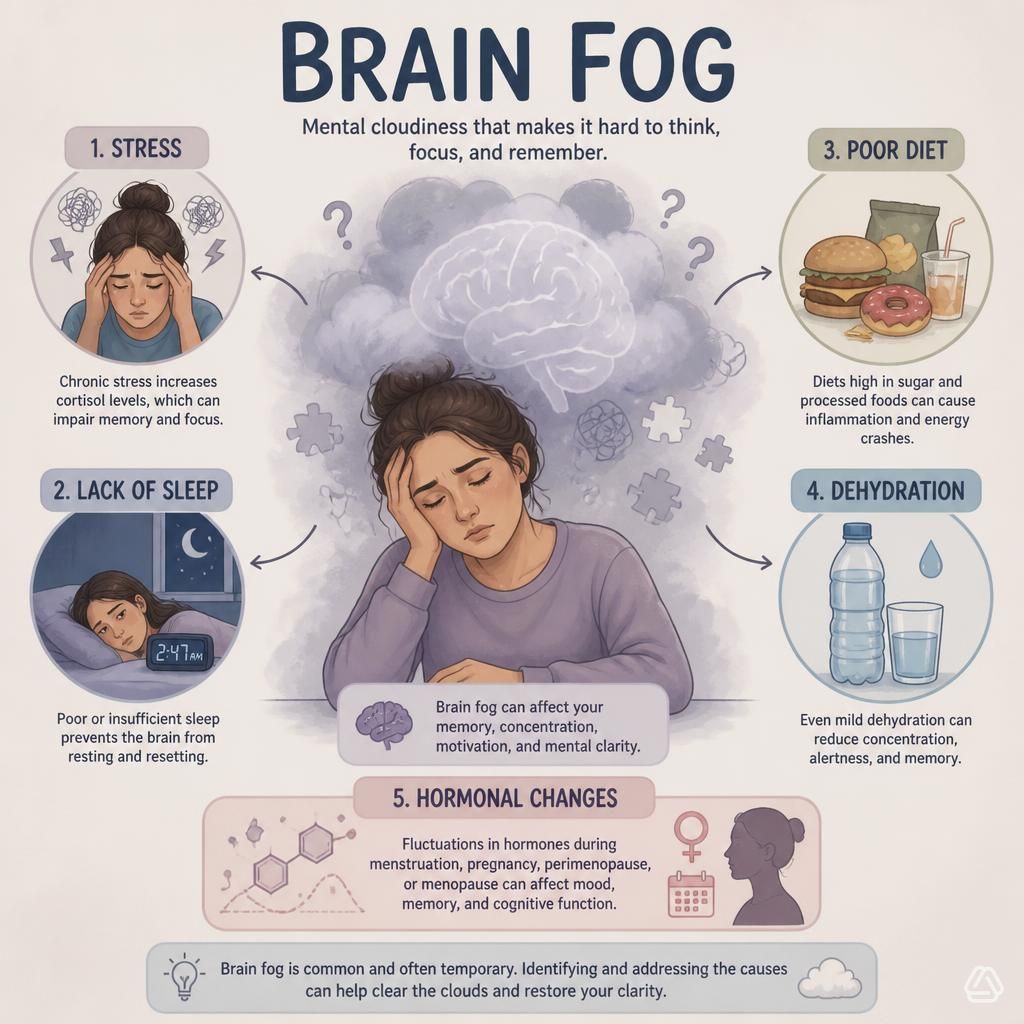
Understanding brain fog causes and how to fix it starts with knowing exactly what brain fog is — and what it isn’t. Despite how common the experience is, brain fog is not an official medical diagnosis. You won’t find it in the DSM or on a standard lab panel. What you will find is a recognizable cluster of cognitive symptoms that interfere with everyday functioning:
- Poor concentration — difficulty staying focused on a single task without drifting
- Memory lapses — forgetting words, names, recent conversations, or why you walked into a room
- Mental fatigue — feeling mentally exhausted even after adequate sleep
- Slow cognitive processing — information takes longer to register and compute
- Word-finding difficulty — reaching for words that feel just out of reach
- Decision fatigue — even simple choices feel overwhelming
- Reduced mental clarity — a persistent sense of cognitive “haziness” or disconnection
It’s worth being precise about what brain fog is not, because the distinctions matter for how you address it:
| Condition | How It Differs from Brain Fog | What to Do |
|---|---|---|
| Normal tiredness | Transient, fully resolves with rest; not persistent across days or weeks | Sleep and recover |
| Clinical depression | Involves persistent low mood, anhedonia, and often requires a different treatment pathway | Seek mental health professional |
| Dementia / MCI | Progressive trajectory, structural brain changes, affects activities of daily living significantly | Neurological evaluation essential |
| ADHD | Neurodevelopmental pattern present from childhood; distinct neurological basis | Formal assessment with a specialist |
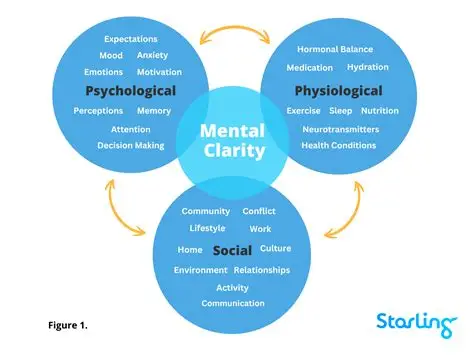
The most important thing to understand: the vast majority of brain fog experienced by otherwise healthy adults is lifestyle-driven and fully reversible. The brain is not a static organ — it is extraordinarily plastic, constantly responding to inputs from sleep, nutrition, movement, stress, and environment. Change the inputs, and the output changes. That is the entire premise of what follows.
Why Brain Fog Is More Common Than Ever
If brain fog feels epidemic right now, that’s because in many ways it is. Several converging forces have created a perfect storm for cognitive impairment in modern life:
- Post-pandemic “long COVID” brain fog: Millions of people who recovered from COVID-19 have reported persistent cognitive symptoms — difficulty concentrating, memory problems, and mental fatigue — months or even years after infection. Neuroinflammation and disruption of the gut-brain axis are leading proposed mechanisms.
- The ultra-processed food epidemic: More than 70% of the American food supply is now ultra-processed. These foods are engineered to be hyperpalatable, but they are systematically depleted of the micronutrients the brain needs to function — B vitamins, magnesium, omega-3s — while simultaneously promoting systemic inflammation.
- Chronic sleep deprivation: According to the CDC, approximately 30% of American adults sleep fewer than 7 hours per night — the minimum recommended for cognitive health. Fifty to seventy million Americans have some form of sleep disorder.
- Information overload and attention fragmentation: We consume an estimated 34 gigabytes of information per day — five times more than in 1986. The constant cognitive demand of a hyper-connected world is depleting attentional resources at an unprecedented rate.
- Sedentary lifestyles: Physical inactivity reduces cerebral blood flow and the production of BDNF (brain-derived neurotrophic factor) — the brain’s primary growth and maintenance hormone. Screens have replaced movement as the default leisure activity for most adults.
- Chronic, unresolved stress: The World Health Organization describes stress as the “health epidemic of the 21st century.” Sustained cortisol elevation is directly neurotoxic to the brain’s memory and decision-making centers.
This is, in many ways, a modern problem — but the solutions are ancient: sleep, movement, real food, rest, connection. The science has simply caught up to explain exactly why these fundamentals matter so much.
The 12 Root Causes of Brain Fog (And How to Fix Each One)
What follows is a deep-dive into each root cause — what it is, the science behind why it creates cognitive impairment, and exactly what to do about it. Think of this as your personalized reference guide: read through all 12, then focus on the ones that resonate most with your situation.
Cause #1 — Chronic Sleep Deprivation
Of all the brain fog causes, this one is both the most common and the most underestimated. Most people know sleep is “important.” Very few understand just how catastrophically sleep deprivation affects the brain at a biological level.
Here’s what’s actually happening while you sleep: Your brain activates the glymphatic system — a waste-clearance network that flushes toxic metabolic byproducts from brain tissue. This system operates almost exclusively during deep sleep, when brain cells actually shrink by up to 60% to allow cerebrospinal fluid to flush through more efficiently. The byproducts being cleared include amyloid beta and tau proteins — the same proteins that accumulate in Alzheimer’s disease. Even a single night of poor sleep measurably increases amyloid beta levels in the brain. Chronic sleep deprivation means this waste removal system never fully runs.
The functional consequences are immediate: prefrontal cortex function — your seat of reasoning, planning, and working memory — can decline by up to 30% after one poor night of sleep. Attention, emotional regulation, and processing speed all suffer proportionally. The fog you feel after a bad night isn’t metaphorical. It’s your brain literally running on partially cleaned hardware.
✅ The Fix
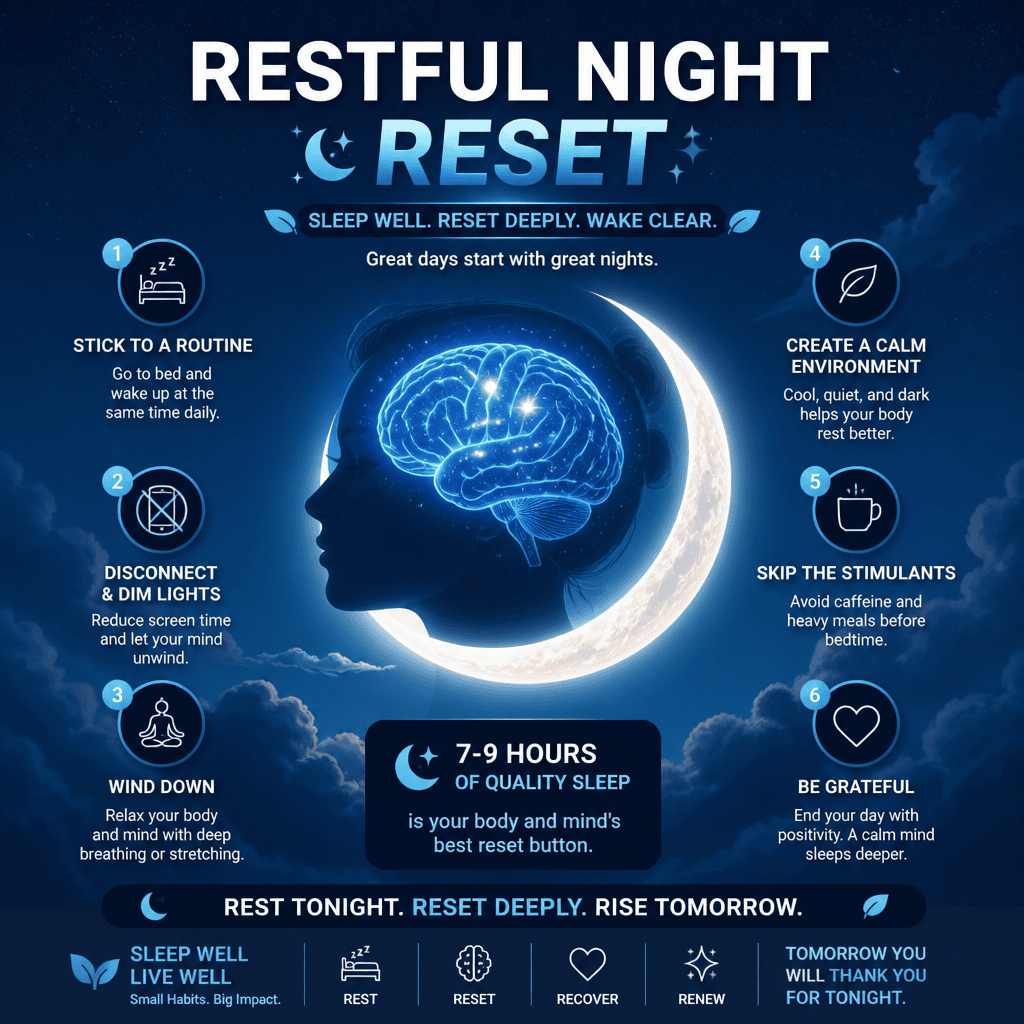
- Establish a non-negotiable sleep window — aim for 10pm–6am or a consistent 8-hour block that works for your life; the consistency matters as much as the duration
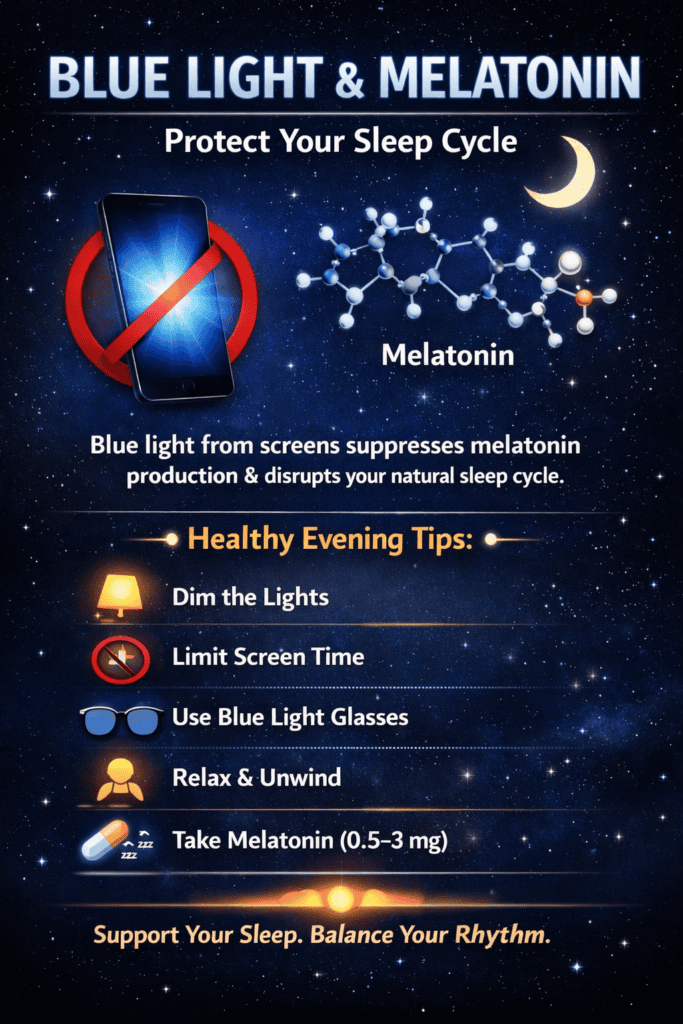
- Eliminate blue-light exposure 60 minutes before bed (blue light suppresses melatonin production; use Night Mode, blue-light glasses, or simply put the phone down)
- Keep your bedroom temperature between 65–68°F (18–20°C) — the body needs to drop core temperature to initiate and maintain deep sleep
- Consider magnesium glycinate (200–400mg, 30 minutes before sleep) — the most bioavailable form of magnesium, shown to improve sleep onset and depth without morning grogginess
- Avoid caffeine after 1pm — caffeine has a half-life of 5–7 hours and a quarter-life of 10–14 hours; that 3pm espresso is still in your system at midnight
🕑 Timeline: Most people notice meaningful cognitive improvement within 48–72 hours of consistent quality sleep. Full cognitive restoration from significant sleep debt takes 1–2 weeks of consistent restorative sleep.
Cause #2 — Nutritional Deficiencies
This is simultaneously the most common and the most overlooked driver of brain fog in otherwise healthy adults — and the reason it’s overlooked is that deficiencies can exist at a subclinical level, not severe enough to trigger a medical alert but absolutely sufficient to impair cognitive performance.
There are four deficiency culprits responsible for the vast majority of nutrition-related brain fog:
| Nutrient | Why It Matters for Your Brain | Who’s Most at Risk |
|---|---|---|
| Vitamin B12 | Essential for myelin sheath formation — the protective “wiring insulation” of neurons. Deficiency causes literal neurological damage: slow processing, memory loss, cognitive decline. Unlike most deficiencies, B12 damage can be irreversible if left untreated. | Vegans, vegetarians, adults over 60, anyone on metformin or acid-reducing medication (PPIs block B12 absorption) |
| Vitamin D | Functions as a neurosteroid — directly modulates neurotransmitter synthesis, neuroprotection, and immune regulation in the brain. Deficiency is strongly linked to depression, cognitive impairment, and increased dementia risk. | Anyone living above 35°N latitude (most of the US), people who work indoors, people with darker skin, older adults |
| Magnesium | Required as a cofactor for over 600 enzymatic reactions in the body, including energy production, neurotransmitter regulation, and nervous system function. Deficiency drives anxiety, poor sleep quality, muscle tension, and cognitive impairment. | Anyone eating a processed-food-heavy diet; magnesium has been progressively depleted from soil over 50+ years, meaning even vegetable sources are lower than historical levels |
| Omega-3 Fatty Acids (DHA) | DHA constitutes approximately 25% of the brain’s fat content and is critical for neurotransmitter signaling, synaptic plasticity, and reducing neuroinflammation. Deficiency impairs cognitive performance at every level. | Anyone not regularly eating fatty fish (salmon, mackerel, sardines); vegetarians and vegans; people with high omega-6 intake from processed foods |
✅ The Fix
- Get a comprehensive blood panel first — test B12, Vitamin D (25-OH), magnesium RBC (red blood cell magnesium, not serum), and ideally omega-3 index. Don’t guess; test.
- B12: Methylcobalamin form preferred over cyanocobalamin.
- Vitamin D: Take D3 (not D2) alongside K2 (MK-7 form) to direct calcium to bones, not arteries. Most deficient adults need 2,000–5,000 IU daily (confirm with bloodwork).
- Omega-3: Minimum 1–2g of combined EPA+DHA daily from a high-quality, third-party tested fish oil or algae oil.
🕑 Timeline: 4–12 weeks depending on severity of deficiency. B12 and omega-3 improvements often felt in 4–6 weeks. Vitamin D can take 8–12 weeks to raise levels meaningfully.
The Best Supplements for Mental Clarity; WellnessWays Complete Guide
Cause #3 — Chronic Stress and Elevated Cortisol
Stress gets talked about so much that most of us have become numb to warnings about it. But the neuroscience of chronic cortisol elevation is genuinely alarming — and understanding it mechanistically is often what motivates real change.
Short-term cortisol is adaptive. When you’re facing a genuine threat, cortisol sharpens attention, boosts blood sugar for immediate energy, and suppresses non-essential functions. That’s its job. The problem is that the modern brain triggers this stress response for emails, traffic, social media, and financial anxiety — and unlike a predator encounter, these stressors don’t resolve in minutes. They persist for hours, days, and years.
Chronically elevated cortisol has been shown to:
- Shrink the hippocampus — the brain’s primary memory center — through glucocorticoid-induced neuronal damage
- Reduce prefrontal cortex volume and activity — impairing planning, decision-making, impulse control, and working memory
- Enlarge the amygdala — the brain’s threat-detection center — making you more reactive, more anxious, and more likely to interpret neutral events as threatening
- Impair neurogenesis — chronically high cortisol suppresses the production of new neurons, even in adults
The result is a brain stuck in threat-detection mode: poor memory, poor decisions, emotional volatility, and a brain fog that feels simultaneously frantic and exhausted — often described as “wired but tired.”
✅ The Fix
- HRV-based breathing: Box breathing (4 counts in, 4 hold, 4 out, 4 hold) or the 4-7-8 technique activates the parasympathetic nervous system within minutes, measurably lowering cortisol
- Daily mindfulness practice: Even 10 minutes of mindfulness meditation has been shown in multiple randomized controlled trials to reduce cortisol levels measurably after 8 weeks of consistent practice
- Ashwagandha (KSM-66 extract): One of the most clinically studied adaptogenic herbs; a 60-day randomized controlled trial published in Medicine found significant reductions in serum cortisol, perceived stress, and anxiety scores compared to placebo
- Address structural stressors: Breathwork helps regulate the stress response — but it doesn’t remove the stressor. Therapy, journaling, boundary-setting, and lifestyle restructuring are the deeper work
🕑 Timeline: Breathing techniques: within minutes. Measurable cortisol reduction from consistent mindfulness or ashwagandha: 4–8 weeks. Structural life changes: ongoing.
Cause #4 — Gut Microbiome Dysbiosis
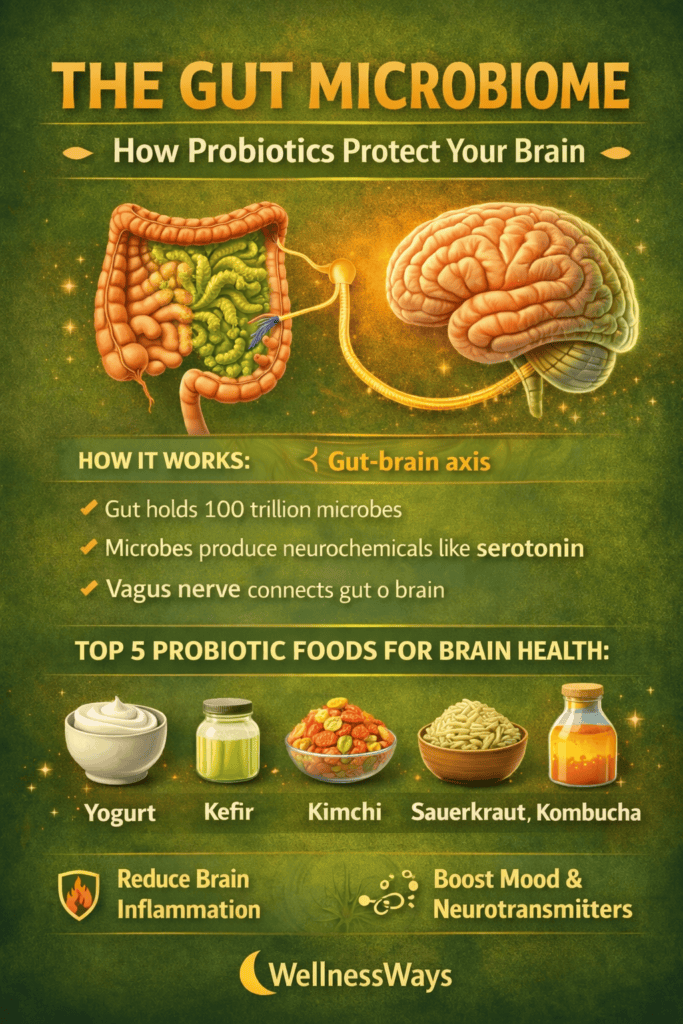
If someone had told you ten years ago that your gut bacteria were causing your brain fog, you might have been skeptical. Today, the science of the gut-brain axis is one of the most rapidly expanding fields in neuroscience — and the connection is more direct than most people realize.
Here’s how it works: The vagus nerve is a direct two-way communication highway between your gut and your brain. Approximately 90% of the body’s serotonin is synthesized in the gut — by specialized cells (enterochromaffin cells) that are heavily influenced by the microbiome. Your gut bacteria also produce neurotransmitter precursors, short-chain fatty acids that nourish the gut lining, and regulate immune function.
When the microbiome becomes imbalanced — through antibiotic use, chronic stress, a processed food diet, or infections — dysbiosis occurs. The imbalanced microbiome produces inflammatory cytokines that can cross the blood-brain barrier and trigger neuroinflammation — now understood to be a primary biological mechanism of brain fog, depression, and cognitive impairment. Simultaneously, the leaky gut that often accompanies dysbiosis allows additional inflammatory molecules direct access to systemic circulation.
✅ The Fix
- Eliminate ultra-processed foods and refined sugar — these selectively feed pathogenic bacteria while starving beneficial species
- Add fermented foods daily: kefir, plain yogurt, sauerkraut, kimchi, miso, tempeh — naturally rich in diverse live cultures
- Eat 30+ different plant foods per week — research by Professor Tim Spector (King’s College London / ZOE) demonstrates that diversity of plant intake is the single strongest predictor of microbiome diversity
- Consider a multi-strain probiotic — particularly after antibiotic use or during periods of dietary disruption
- Prioritize prebiotic fiber: garlic, onions, leeks, asparagus, bananas, oats — feed your existing beneficial bacteria
🕑 Timeline: The microbiome responds surprisingly quickly — measurable improvements in composition within 2–4 weeks of consistent dietary changes. Cognitive benefits typically follow as neuroinflammation subsides.
Cause #5 — Dehydration
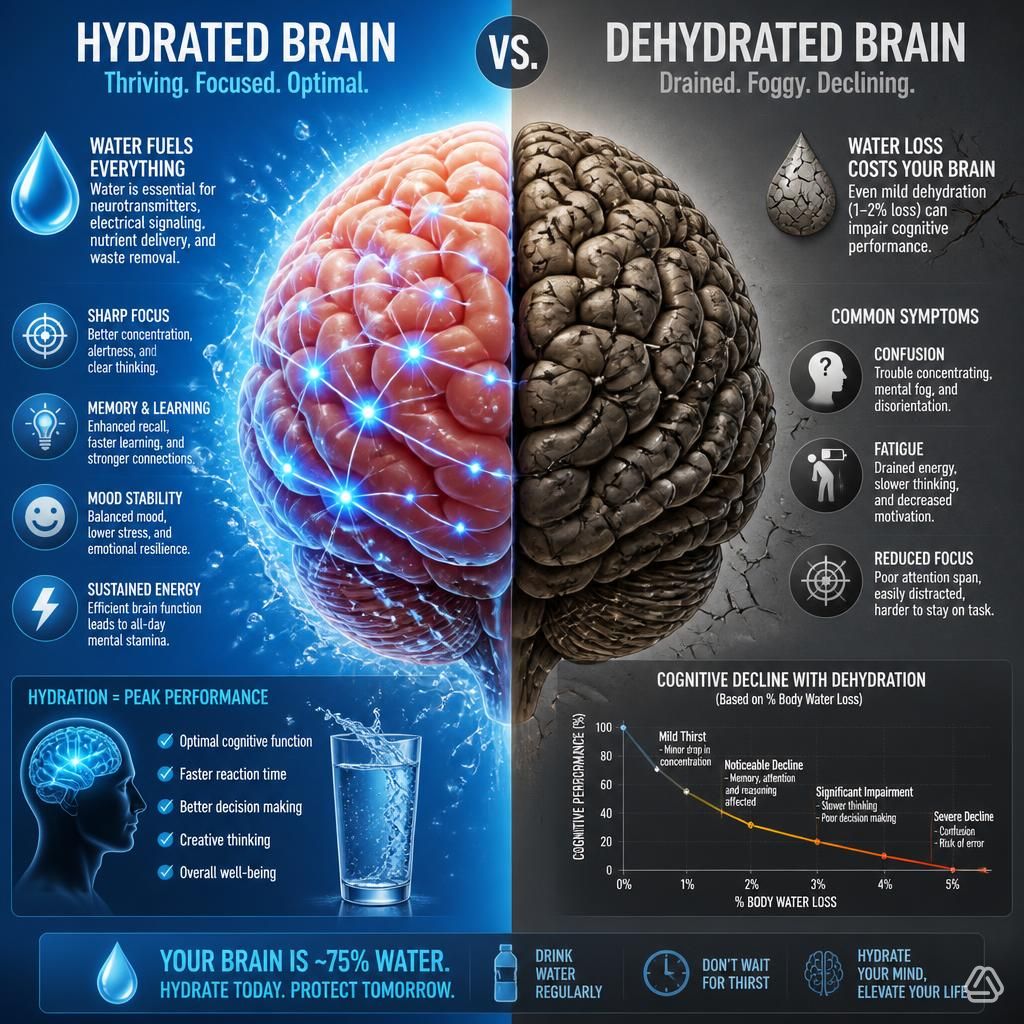
This one feels almost too simple — and that’s precisely why so many people dismiss it. But the data is unambiguous: dehydration is one of the most immediate and most common causes of impaired cognition.
The brain is approximately 75% water. Even a modest fluid deficit disrupts the electrochemical environment in which neurons fire, neurotransmitters travel, and information is processed. Research by Masento et al. (published in British Journal of Nutrition) found that a mere 1–2% drop in body hydration leads to measurable declines in short-term memory, attention, psychomotor speed, and reaction time. This is significant because the thirst mechanism is actually a late indicator of dehydration — by the time you feel thirsty, you’re already cognitively impaired. Many people walk around in a chronic state of mild dehydration, never connecting their persistent mental dullness to fluid intake.
✅ The Fix
- Minimum 64oz (8 cups) of water daily — more if you exercise, live in a hot climate, consume alcohol or caffeine, or are over 60
- Start the morning with 16oz of water before coffee — you wake up mildly dehydrated after 7–8 hours without fluids; this one habit shifts your cognitive baseline for the entire day
- Add electrolytes to optimize cellular absorption: sodium, potassium, and magnesium are essential co-factors for water to actually enter cells rather than passing straight through
- Eat your water too: cucumber, watermelon, celery, zucchini, and leafy greens are 90%+ water by weight
- A practical rule: your urine should be pale straw-colored throughout the day; dark yellow means you’re behind
🕑 Timeline: This is the fastest-acting fix on this entire list. Cognitive improvement within hours of proper rehydration. For many people, the morning 16oz habit alone produces a noticeable shift in mental clarity within days.

Cause #6 — Inflammatory Diet
Neuroinflammation — chronic, low-grade inflammation in the brain — is now recognized as a core biological mechanism underlying cognitive impairment, depression, and brain fog. And the single most powerful driver of neuroinflammation in most people’s lives is what they eat every day.
The modern Western diet is, from a neurological standpoint, essentially a chronic inflammation delivery system. Ultra-processed foods, refined sugar (which spikes blood glucose and triggers inflammatory insulin responses), industrial seed oils high in omega-6 fatty acids (soybean, corn, canola, sunflower — which compete with and displace anti-inflammatory omega-3s at the cellular level), and trans fats all promote systemic inflammation that crosses the blood-brain barrier.
A landmark 2026 review in Current Nutrition Reports confirmed that anti-inflammatory dietary patterns consistently reduce neuroinflammation, support the gut-brain axis, and improve sleep quality — the three key pathophysiological pathways of brain fog. The Western diet harms all three.
✅ The Fix
- Adopt a Mediterranean or MIND diet pattern — the most consistently evidence-supported dietary framework for brain health The Mediterranean Diet for Brain Health — WellnessWays Guide

- Anti-inflammatory foods to prioritize: fatty fish (salmon, mackerel, sardines), leafy greens (spinach, kale, arugula), colorful berries (blueberries, strawberries, cherries), extra virgin olive oil, turmeric + black pepper, walnuts, dark chocolate (85%+)
- Foods to eliminate or dramatically reduce: sugar-sweetened beverages, fried foods, packaged snacks, white bread, margarine, processed meats
- Replace refined carbohydrates with whole grains (oats, quinoa, brown rice, barley) and legumes to stabilize blood glucose and feed beneficial gut bacteria
- Replace industrial seed oils with extra virgin olive oil, avocado oil, and coconut oil in cooking
🕑 Timeline: Inflammatory markers (CRP, IL-6) measurably reduce within 4–6 weeks of dietary overhaul. Cognitive benefits typically lag behind by 1–2 weeks as neuroinflammation resolves.
Cause #7 — Sedentary Lifestyle
You were designed to move. Not occasionally. Every day. And when you don’t, your brain is among the first organs to suffer.
Physical inactivity has three direct cognitive consequences: it reduces cerebral blood flow (the brain is the most metabolically demanding organ in the body; it needs robust blood delivery to function optimally), it decreases BDNF (brain-derived neurotrophic factor — often called “Miracle-Gro for the brain” — which is essential for neurogenesis, synaptic plasticity, and learning), and it increases neuroinflammation through multiple inflammatory pathways.
Research published in PNAS found that sedentary adults had measurably smaller hippocampal volume than physically active peers — while a 2011 landmark trial (Erickson et al.) demonstrated that 12 months of aerobic exercise actually increased hippocampal volume by 2% in older adults, effectively reversing age-related shrinkage. Even a single 20-minute bout of moderate-intensity exercise produces acute improvements in executive function and working memory that last for up to 2 hours post-exercise.
✅ The Fix
- 150 minutes of moderate cardio per week minimum (30 min × 5 days): brisk walking, cycling, swimming, dancing — anything that elevates your heart rate to 50–70% of maximum
- Resistance training 2x per week: shown specifically to improve processing speed, executive function, and memory — not just cardiovascular health
- Break up sitting every 30–45 minutes with a brief walk: even 5 minutes of walking restores cerebral blood flow and reduces the cognitive slump associated with prolonged sitting
- Morning exercise is particularly powerful for brain fog: it floods the brain with BDNF, serotonin, dopamine, and norepinephrine — natural cognitive enhancers that can sustain mental clarity for 4–6 hours
🕑 Timeline: Acute cognitive boost within 20–30 minutes of a single exercise session. Structural brain improvements (hippocampal volume, BDNF levels): 4–6 weeks of consistent training.
Cause #8 — Digital Overstimulation and Attention Fragmentation
Here’s a statistic worth sitting with: after an interruption — a notification, a text, a tab switch — it takes an average of 23 minutes to fully return to the original task with the same depth of focus (Gloria Mark, UC Irvine). Most knowledge workers experience 50–60 interruptions per day. Do the math, and you realize that sustained deep focus has become practically impossible in the default modern work environment.
The problem goes deeper than interruptions. Constant exposure to rapid-fire social media feeds, short-form video, and notification-driven behavior patterns trains the brain’s attention systems toward shallow, fragmented processing. The neural networks responsible for sustained focus are like muscles — they atrophy without regular use. The dopamine-driven reward loops of social media also create mild but functionally significant dopamine dysregulation, producing symptoms that can mimic ADHD: difficulty initiating tasks, inability to focus without stimulation, restlessness, and — of course — brain fog.
✅ The Fix
- Phone-free morning block (first 60 minutes): Don’t check email, news, or social media until after your first hour. Begin the day with your own cognitive agenda, not someone else’s
- Notification batching: Check messages and notifications at 3 set times daily only (e.g., 9am, 12pm, 4pm) — not reactively
- Deep work blocks of 90–120 minutes: Single-task, distraction-free work sessions aligned with your natural ultradian rhythm (90-minute cycles of high cognitive performance)
- Grayscale screen setting: Removing color from your phone screen significantly reduces the dopamine pull of apps — many people report dramatically less mindless scrolling within days
- Weekend digital detox periods: Full unplugging for even 24 hours per week is a powerful reset for attention systems How to Do a Digital Detox — The WellnessWays 7-Day Plan
🕑 Timeline: Attention span and focus quality measurably improve within 2–3 weeks of consistent digital boundaries. Many people report improvement within days of the phone-free morning practice.
Cause #9 — Alcohol Consumption
This one requires honesty — both from us and from you. Alcohol is one of the most socially normalized substances in the world, and also one of the most reliably brain-fog-inducing.
Alcohol is a neurotoxin — and this is not hyperbole. At the neurological level, even moderate alcohol consumption:
- Disrupts REM sleep — the most cognitively restorative phase, during which emotional processing, memory consolidation, and neural repair occur. A drink or two before bed typically cuts REM sleep by 20–40%, even when it feels like it helps you fall asleep faster (that’s sedation, not quality sleep)
- Depletes B vitamins and magnesium — two of the nutrients most critical for cognitive function — through increased urinary excretion and metabolic depletion
- Creates glutamate rebound: Alcohol suppresses the excitatory neurotransmitter glutamate; as it metabolizes, glutamate rebounds sharply — this is a significant contributor to the “hangover fog” of anxiety, jitteriness, and impaired cognition
- Promotes neuroinflammation through acetaldehyde (a toxic alcohol metabolite) and its effects on the gut microbiome
Even moderate drinking — 1–2 drinks nightly — measurably impairs next-day cognitive performance in a way that most people have normalized and attributed to aging, stress, or just “feeling a bit off.”
✅ The Fix
- Track your actual intake honestly — most people significantly underestimate their consumption
- Take a 30-day alcohol break and pay close attention to your sleep quality, morning clarity, and cognitive performance — the improvement surprises most people who try it
- If reducing feels difficult, that’s worth exploring with curiosity rather than judgment — alcohol is often a symptom of unmanaged stress, anxiety, or poor sleep (causes #3 and #1 on this list)
- Even reducing from daily to weekend-only produces significant cognitive improvements within 1–2 weeks
🕑 Timeline: Significant brain fog reduction within 1–2 weeks of abstinence. REM sleep normalizes within 3–7 nights.
Cause #10 — Thyroid Dysfunction
The thyroid gland regulates virtually every metabolic process in the body — including brain metabolism. Hypothyroidism (underactive thyroid) is one of the most underdiagnosed conditions in medicine, affecting approximately 5% of the population, with significantly higher rates in women and adults over 60. Even more common is subclinical hypothyroidism — where TSH is elevated but still technically within the “normal” range — which can still produce significant cognitive symptoms.
The brain fog of hypothyroidism has a distinctive character: profound mental fatigue, significantly slowed processing speed, poor memory, difficulty concentrating, and often a concurrent depression. It is frequently misattributed to laziness, aging, or depression and treated with antidepressants — which address the downstream mood symptoms but not the root cause.
✅ The Fix
- Request a comprehensive thyroid panel from your physician — not just TSH, which is a screening test, but also Free T3, Free T4, and thyroid antibodies (TPO and TgAb, to rule out Hashimoto’s autoimmune thyroiditis)
- This is non-negotiable for anyone whose brain fog has not responded to lifestyle interventions after 4–6 weeks
- Functional medicine physicians and integrative doctors often have a lower treatment threshold and consider optimal TSH ranges (1–2.5 mIU/L) rather than just the statistical “normal” range
⚠ Important Medical Note
Thyroid dysfunction requires diagnosis and treatment by a qualified healthcare professional. Do not self-diagnose or self-treat thyroid conditions. WellnessWays.net provides this information for educational awareness only.
🕑 Timeline: With appropriate medical treatment, cognitive symptoms typically improve within 4–8 weeks as thyroid hormone levels normalize.

Cause #11 — Hormonal Imbalances
Hormones are chemical messengers that directly regulate neurotransmitter systems, neuroplasticity, and cognitive function. When they fall out of balance — through natural life stages or chronic lifestyle factors — the brain feels it acutely.
- Estrogen plays a critical role in acetylcholine synthesis (a key learning and memory neurotransmitter) and cerebral blood flow. The brain fog experienced during perimenopause and menopause — when estrogen fluctuates dramatically and then declines — is well-documented and clinically significant. Up to 60% of perimenopausal women report cognitive symptoms.
- Testosterone (in both men and women) directly supports verbal memory, processing speed, and spatial cognition. Low testosterone in men is associated with impaired memory and increased risk of cognitive decline. Testosterone declines approximately 1% per year after age 30.
- Insulin resistance — often driven by a high-sugar, processed-food diet and physical inactivity — impairs the brain’s ability to utilize glucose efficiently. The brain accounts for 20% of the body’s glucose consumption. Some researchers have even proposed the term “Type 3 diabetes” as a descriptor for Alzheimer’s, given the role of brain insulin resistance in its pathology.
- Cortisol imbalance (addressed in Cause #3) is itself a hormonal imbalance with profound cognitive consequences.
✅ The Fix
- Comprehensive hormone panel via a functional medicine physician, OB-GYN, or endocrinologist — including sex hormones, thyroid, insulin, fasting glucose, and HbA1c
- Lifestyle supports for hormonal balance: resistance training (supports testosterone and estrogen metabolism), quality sleep (critical for hormone production and regulation), stress management (reduces cortisol), dietary fat from quality sources (cholesterol is the precursor to all steroid hormones — low-fat diets can impair hormone production)
- For perimenopausal / menopausal women, discuss HRT (hormone replacement therapy) with your OB-GYN — the evidence for cognitive benefits of appropriate HRT timing is substantial
🕑 Timeline: Highly variable depending on cause, severity, and intervention. Lifestyle-based hormonal improvements: 8–12 weeks. Medical interventions vary by treatment.
Cause #12 — Chronic Unresolved Emotional Stress / Trauma
This is the cause that most people haven’t considered — and the one that, for a meaningful subset of brain fog sufferers, is the primary driver.

Unprocessed emotional trauma — whether it’s a discrete traumatic event or the accumulation of chronic relational, financial, or existential stress — keeps the nervous system in a persistent low-grade state of activation. The sympathetic nervous system (fight-or-flight mode) is chronically dominant, flooding the body with stress hormones and keeping threat-detection circuits in the brain perpetually online. This is adaptive for genuine danger. In everyday life, it is neurologically exhausting.
When cognitive resources are consumed by chronic threat-detection, the higher-order cognitive functions of the prefrontal cortex — attention, working memory, planning, creativity, word retrieval — are literally deprioritized. The brain cannot simultaneously optimize for safety and complex thinking. The result is a brain fog that coexists with anxiety, hypervigilance, emotional numbness, or disconnection.
✅ The Fix
- Somatic therapy — body-based approaches (somatic experiencing, sensorimotor psychotherapy) that work with the physiological patterns of trauma held in the nervous system, not just cognitive reframing
- EMDR (Eye Movement Desensitization and Reprocessing) — one of the most evidence-supported therapies for trauma, with strong research backing from the WHO and APA
- Trauma-informed yoga and breathwork — accessible, gentle somatic practices that begin to regulate the nervous system
- Expressive writing / journaling: research by James Pennebaker (University of Texas) consistently shows that expressive writing about difficult experiences reduces cortisol, improves immune function, and enhances cognitive performance over 4–6 weeks
- Professional counseling or psychotherapy — strongly recommended; this is not a domain for self-treatment alone
📢 A Note from WellnessWays.net
Trauma is not a personal failing. It is a physiological response. WellnessWays.net always recommends working with a qualified mental health professional for trauma-related concerns. The lifestyle practices above complement — but do not replace — professional mental health support.
🕑 Timeline: Highly individual. Many people notice meaningful improvement in mental clarity and anxiety within 4–8 weeks of beginning somatic or therapeutic work. Professional support dramatically accelerates progress.
How to Find YOUR Root Cause — A Self-Diagnostic Framework
Twelve causes is a lot to hold at once. Let’s narrow it down. Think of this as a quick conversation with a smart friend who’s read all the research — not a clinical intake form. Work through these clusters and notice where you have the most checkmarks.
📄 How to Use This Framework
Read each cluster. Check off any statements that resonate. The cluster with the most checkmarks is your most likely primary root cause — start there. You may have multiple contributing causes; that’s common. Address your primary cause first, then layer in secondary fixes.
| Cluster | These Describe Me… | Most Likely Cause(s) | Start Here |
|---|---|---|---|
| Sleep | I regularly sleep fewer than 7 hours. I feel worst in the morning and need caffeine to function. I rarely feel genuinely rested. | Cause #1 (Sleep) | Phase 1 sleep protocol tonight |
| Nutrition | I’m vegan, vegetarian, or over 60. I rarely eat fatty fish. I eat a mostly processed or fast-food diet. I’ve never had my micronutrients tested. | Cause #2 (Deficiencies) | Book a blood panel this week |
| Stress | My mind races constantly. I feel “wired but tired.” I struggle to wind down. I feel anxious most of the time, even without a specific reason. | Cause #3 (Cortisol) | Begin daily breathing practice today |
| Gut | I have bloating, IBS, or digestive irregularity. I took antibiotics in the past year. I eat few fermented foods or vegetables. | Cause #4 (Gut) | Add fermented food + eliminate sugar |
| Hydration | I drink mostly coffee or soda. I rarely drink plain water. My urine is consistently dark yellow. | Cause #5 (Dehydration) | 16oz water before coffee tomorrow |
| Diet | My diet is heavy in processed foods, fried foods, sugary drinks, or fast food. I eat few vegetables, whole grains, or fatty fish. | Cause #6 (Inflammation) | Begin Mediterranean diet transition |
| Movement | I sit for most of the day. I exercise fewer than 2 days per week. My fog is worst mid-afternoon after sitting all day. | Cause #7 (Sedentary) | 20-min morning walk, start today |
| Digital | I check my phone within minutes of waking. I get dozens of notifications daily. I find it hard to focus on one thing for more than 10 minutes. | Cause #8 (Digital) | Phone-free morning block tomorrow |
| Alcohol | I drink alcohol most evenings. My fog is reliably worse the morning after drinking. I’d struggle to go 30 days without alcohol. | Cause #9 (Alcohol) | 30-day alcohol break, start now |
| Medical | I’m over 50, female, and my fog came on gradually over months. I feel cold all the time, my hair is thinning, and I’m always tired regardless of sleep. | Causes #10, #11 (Thyroid / Hormones) | Schedule comprehensive medical panel |
| Emotional | I’ve been through significant stress, loss, or trauma. I feel emotionally numb or disconnected. My fog feels intertwined with anxiety or a persistent low mood. | Cause #12 (Trauma / Stress) | Reach out to a therapist or counselor |
A few patterns worth calling out explicitly:
- If you’re over 50 and female and your fog arrived gradually over the past 2–5 years: start with Causes #11 and #10. Perimenopause and subclinical thyroid dysfunction are dramatically underdiagnosed in this demographic.
- If you drink alcohol most evenings AND sleep fewer than 7 hours: these two causes are reinforcing each other in a vicious cycle. Fix sleep first; the alcohol reduction often follows naturally.
- If your fog is worst on workdays and better on weekends: Causes #8 (digital/work overstimulation) and #3 (stress/cortisol) are your primary suspects.
- If your fog arrived suddenly after a period of intense stress, grief, or illness: Cause #12 and possibly Cause #4 (gut disruption from stress) deserve priority attention.
- If nothing resonates clearly and you’ve had persistent fog for more than 6 weeks: get bloodwork. The answers are often in the labs.

The Brain Fog Recovery Protocol — Where to Start
Looking at 12 causes can feel overwhelming. We get it. So here’s the thing: you don’t have to fix everything at once. In fact, trying to overhaul everything simultaneously is a strategy that usually collapses within two weeks. Instead, work through this phased protocol — layering in changes systematically so each one has time to compound.
🎯 The 80/20 Rule for Brain Fog Recovery
For most people, addressing just their top 2–3 root causes produces 80% of their total cognitive improvement. You don’t need to execute perfectly on all 12. You need to identify your primary drivers and address those first.
Phase 1 — Weeks 1–2: The Foundations
Focus: Sleep, hydration, reduce or eliminate alcohol.
These three interventions are fastest-acting, require no money, and often produce dramatic results within days. A consistent sleep window + 64oz of daily water + reduced alcohol is, for many people, all it takes to notice a significant shift. Get these habits locked in before adding anything else.
- Set a fixed bedtime and wake time — 7 days a week
- 16oz water first thing every morning, before coffee
- Eliminate or significantly reduce alcohol for at least 14 days
Phase 2 — Weeks 3–4: Food, Movement, Digital Detox
Focus: Anti-inflammatory diet shift, daily movement habit, digital boundaries.
Now that your sleep and hydration foundation is in place, layer in the lifestyle shifts that address inflammation and attention systems. Don’t try to be perfect — aim for 80% adherence. A Mediterranean-leaning diet, 30 minutes of movement five days per week, and a phone-free morning practice will move the needle substantially.
- Begin Mediterranean diet pattern — crowd out processed foods rather than white-knuckling elimination
- Commit to 30 minutes of movement daily, whatever form you enjoy most
- Implement the phone-free morning block
Phase 3 — Weeks 5–8: Targeted Supplementation and Gut Health
Focus: Lab-guided supplementation, gut microbiome support.
By now you have baseline lifestyle habits supporting your brain. Use this phase to address biochemical root causes with precision. Get bloodwork done (if you haven’t already) and supplement based on actual results — not guesswork. Simultaneously, double down on gut health: fermented foods daily, 30+ plant foods per week, and a quality probiotic if warranted.
- Book a comprehensive blood panel: B12, Vitamin D, magnesium RBC, omega-3 index, full thyroid panel, sex hormones, fasting glucose, HbA1c
- Begin targeted supplementation based on results
- Add daily fermented food (kefir, kimchi, yogurt, sauerkraut) to your routine
Phase 4 — Week 9 and Beyond: Stress Systems and Professional Support
Focus: Deep stress management, hormonal/thyroid medical follow-up, emotional healing work.
This is the long game — and the layer that produces the deepest, most durable cognitive resilience. Consistent mindfulness or breathwork practice, ongoing therapy or somatic work if needed, and follow-up with any medical findings from Phase 3. Most people who follow Phases 1–4 systematically report significant cognitive improvement well within 30 days. For complex or medically-driven brain fog, 8–12 weeks of consistent effort is a more realistic expectation.
“The brain is extraordinarily responsive to the right inputs. Most people who address their primary root cause experience dramatic cognitive improvement within 30 days. Start with one thing — the thing most likely to be your primary driver. One thing, done consistently, is worth infinitely more than twelve things attempted and abandoned.” — WellnessWays.net Editorial Team

Frequently Asked Questions About Brain Fog
Is brain fog a sign of a serious illness?
Sometimes — but most of the time, brain fog in otherwise healthy adults is lifestyle-driven and fully reversible. Conditions that can cause brain fog include hypothyroidism, sleep apnea, anemia, autoimmune disorders, and early-stage cognitive decline. Brain fog that is sudden in onset, worsening over time, or accompanied by other neurological symptoms (severe headache, vision changes, memory loss affecting daily functioning) should always be evaluated by a physician. Fog that has been present for weeks without other symptoms, and in the context of sleep deprivation, poor diet, or high stress, is far more likely to be lifestyle-driven. Start with lifestyle changes; if there’s no improvement within 4–6 weeks, seek medical evaluation.
Can brain fog be caused by anxiety?
Absolutely — and this connection is more direct than most people realize. Anxiety chronically activates the sympathetic nervous system, flooding the body with cortisol and adrenaline and keeping the brain’s threat-detection circuits (amygdala) in a state of heightened activation. This comes at a direct cognitive cost: the prefrontal cortex — responsible for attention, working memory, reasoning, and word retrieval — is systematically suppressed when the threat-response system is dominant. Many people with anxiety describe a brain fog that feels like their mind is “racing but empty” simultaneously. Addressing anxiety through breathwork, mindfulness, therapy, and the lifestyle foundations in this guide typically produces meaningful improvements in both anxiety and brain fog together.
How long does brain fog last?
It entirely depends on the cause. Dehydration-related fog can resolve within hours. Sleep deprivation fog typically lifts within 48–72 hours of quality sleep. Nutritional deficiency fog may take 4–12 weeks to resolve with targeted supplementation. Chronic stress-related fog can take 4–8 weeks of consistent practice to shift meaningfully. The key principle is this: brain fog that is caused by something lifestyle-driven and reversible will resolve when the root cause is addressed. Fog that persists beyond 4–6 weeks of genuine, consistent lifestyle intervention should be medically evaluated to rule out underlying conditions (thyroid, hormonal, autoimmune, etc.).
Can you test for brain fog?
There is no single “brain fog test.” However, a comprehensive approach to testing can identify most of the common underlying causes: a blood panel covering B12, vitamin D, magnesium, omega-3 index, thyroid (TSH, Free T3, Free T4, antibodies), sex hormones, fasting glucose, HbA1c, and inflammatory markers (CRP, homocysteine) covers the majority of biochemical contributors. For structural or neurological causes, brain imaging or neuropsychological testing may be warranted — typically ordered by a physician when clinical findings suggest it. A comprehensive blood panel is the most valuable diagnostic step for most brain fog sufferers and should be the first port of call after a genuine attempt at lifestyle change hasn’t resolved symptoms.
That being said, we have put together our own lite version of a brain fog quiz here
What is the best supplement for brain fog?
There is no single “best supplement” for brain fog because the best supplement is the one that addresses your specific deficiency or root cause. That said, the most commonly impactful supplements — supported by both clinical evidence and the high prevalence of the underlying deficiencies — are magnesium glycinate (supports sleep, reduces anxiety, critical for 600+ enzymatic reactions), Vitamin D3+K2 (deficiency extremely common in northern latitudes), omega-3 fatty acids / DHA (foundational for brain structure and neuroinflammation), and Methylcobalamin B12 (critical for neurological function; deficiency often undetected until significant). Get bloodwork before supplementing — targeted supplementation based on actual deficiencies is dramatically more effective than guessing.
Best Supplements for Mental Clarity — The WellnessWays Evidence-Based Guide
Does brain fog get worse with age?
Some cognitive slowing is a normal part of aging — processing speed and working memory naturally decline gradually after middle age. But the kind of disabling brain fog many people experience is not a normal aging trajectory — it’s a symptom. The good news is that the brain retains remarkable plasticity at every age. The lifestyle interventions in this guide — exercise, sleep optimization, anti-inflammatory diet, stress management, targeted supplementation — are among the most potent evidence-supported strategies for protecting and even improving cognitive function as we age. The risk of brain fog attributable to hormonal changes (perimenopause, testosterone decline) and thyroid dysfunction does increase with age, making comprehensive medical evaluation increasingly important for those over 50 experiencing new or worsening cognitive symptoms.
When to See a Doctor About Brain Fog
WellnessWays.net is an educational wellness resource, not a medical practice. While the majority of brain fog cases respond well to the lifestyle and nutritional strategies in this guide, there are circumstances where medical evaluation is not optional — it’s essential. Here is a clear, non-alarmist guide to knowing when to seek professional help.
Seek Medical Attention Promptly if Your Brain Fog Is:
- Sudden in onset — especially if it appeared abruptly rather than gradually developing over weeks or months
- Accompanied by severe headache, vision changes, or one-sided weakness — these are neurological red flags requiring immediate emergency evaluation
- Associated with significant memory loss affecting your ability to manage daily activities, finances, or relationships
- Accompanied by meaningful personality changes or mood disturbances outside your baseline
- Worsening progressively over months rather than fluctuating with lifestyle factors
- Following a head injury, even a seemingly minor one
Schedule a Comprehensive Evaluation if Your Brain Fog:
- Persists beyond 4–6 weeks of genuine, consistent lifestyle changes (sleep, diet, movement, hydration)
- Is accompanied by fatigue, cold intolerance, hair thinning, weight changes, or irregular periods — pointing toward thyroid or hormonal causes
- Is accompanied by snoring, gasping during sleep, or waking unrefreshed — pointing toward sleep apnea (which requires a sleep study to diagnose and is dramatically underdiagnosed)
- Developed following a COVID-19 infection — long COVID cognitive symptoms warrant evaluation by a physician familiar with post-viral syndromes
Conditions that can cause brain fog and require medical diagnosis include: hypothyroidism, sleep apnea, anemia (particularly iron-deficiency or B12-deficiency anemia), autoimmune conditions (lupus, multiple sclerosis, celiac disease), depression, early-stage mild cognitive impairment, and post-viral syndromes.
⚠ WellnessWays.net Reminder
The information in this article is for educational purposes only. It is not a substitute for professional medical advice, diagnosis, or treatment. If you are concerned about any aspect of your cognitive health, please consult a qualified healthcare professional. When in doubt, get it checked out — that’s always the right call.
Your Brain Is Not Broken — And You Don’t Have to Live in the Fog
Here’s what we want you to take away from everything you just read: brain fog is not your destiny.
It is not an inevitable consequence of getting older. It is not a sign that you’re weak, lazy, or broken. It is not something you simply learn to live with. It is a symptom — a coherent biological signal that something in your sleep, nutrition, stress response, gut, hormones, or environment needs attention. And when you find it and address it, the results can be remarkable.
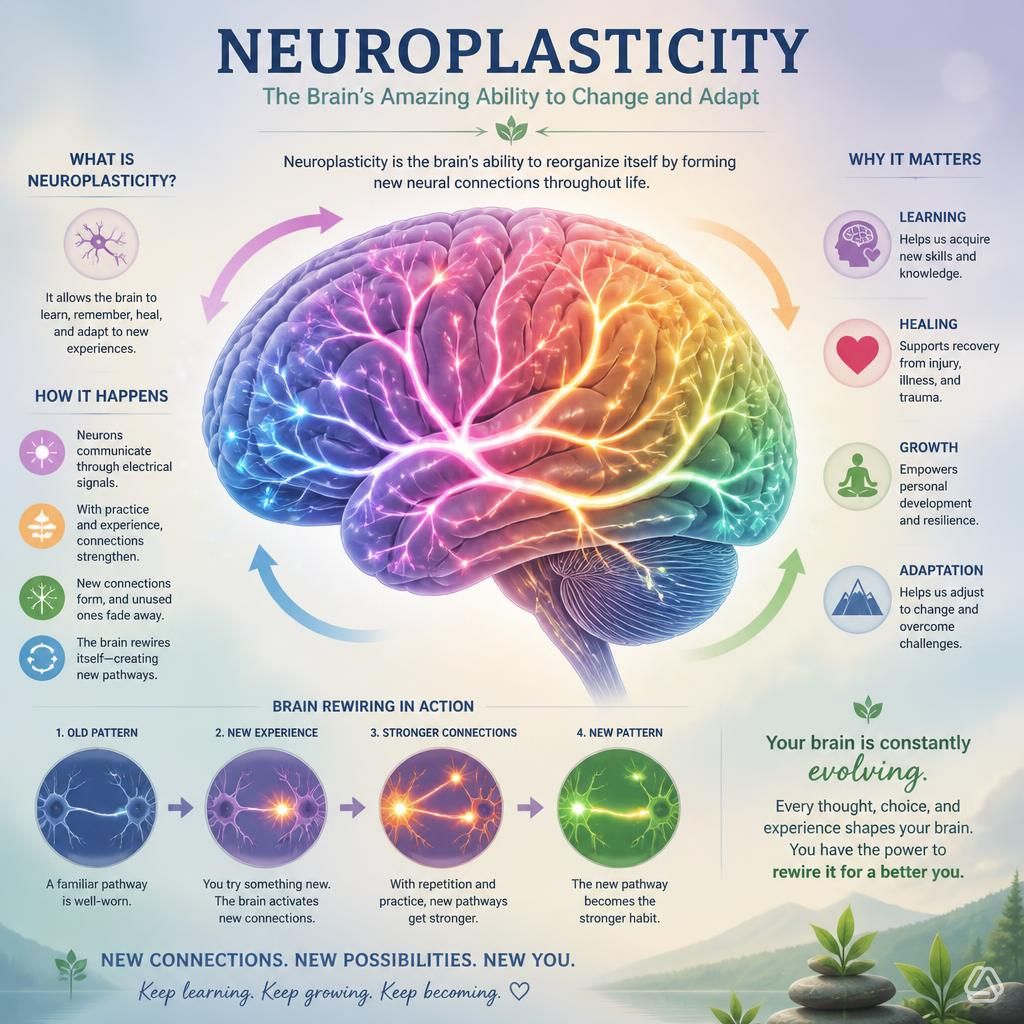
The brain is extraordinarily plastic. At every age, the brain is constantly remodeling itself in response to inputs — building new neural connections, generating new neurons (yes, even in adulthood), adjusting neurotransmitter production, and recalibrating stress response systems. Give it the right inputs — quality sleep, real food, movement, hydration, managed stress, and targeted support where needed — and it responds. Often faster than you’d expect.
Most people who identify and address their primary root cause report meaningful cognitive improvement within 2–4 weeks. Some notice dramatic shifts within days. A cleared mind, reliable memory, effortless word-finding, and the capacity for deep, sustained focus — these are not luxuries reserved for the young or the lucky. They are the natural state of a brain that’s getting what it needs.
You don’t need to overhaul everything today. Pick the one cause that resonates most with your situation. Take one action step. Make it small enough to actually do. And notice what happens.
🔎 Not Sure Where to Start?
Not sure what’s causing your brain fog? Take our free 3-minute Root Cause Quiz and get your personalized action plan! → [Take The Quiz]
📚 Keep Reading on WellnessWays.net
- The Glymphatic System — How Your Brain Cleans Itself While You Sleep
- Mediterranean Diet for Brain Health — The Complete WellnessWays Guide
- Best Supplements for Mental Clarity — Evidence-Based Rankings
- How to Do a Digital Detox — The WellnessWays 7-Day Plan
- WellnessWays Brain Fog Root Cause Quiz — Find Your Primary Driver in 3 Minutes
ⓘ Editorial Disclaimer
The content published on WellnessWays.net is intended for educational and informational purposes only. It is not a substitute for professional medical advice, diagnosis, or treatment. Always seek the guidance of your physician or other qualified health professional with any questions you may have regarding a medical condition or health concern. Never disregard professional medical advice or delay seeking it because of something you have read on this website.
Some links in this article may be affiliate links. WellnessWays.net may earn a commission from qualifying purchases made through these links, at no additional cost to you. We only recommend products we have researched and believe to be of genuine value to our readers. Our editorial content is not influenced by affiliate relationships.
WellnessWays.net — Brain Clarity & Daily Vitality Habits | Published June 2026 | Last reviewed by WellnessWays Editorial Team