
How Chronic Stress Affects Your Brain — And What to Do About It
Most people think of stress as a feeling — that familiar tightness in the chest, the racing thoughts, the sense that everything is happening too fast and you can’t keep up.
But stress isn’t just a feeling. It’s a full-body biological event — and when it becomes chronic, it does measurable, documented damage to the physical structure of your brain.
The research on this is sobering. And the sooner you understand what’s actually happening inside your skull under chronic stress, the sooner you can take steps to reverse it – especially for those who are over 40!
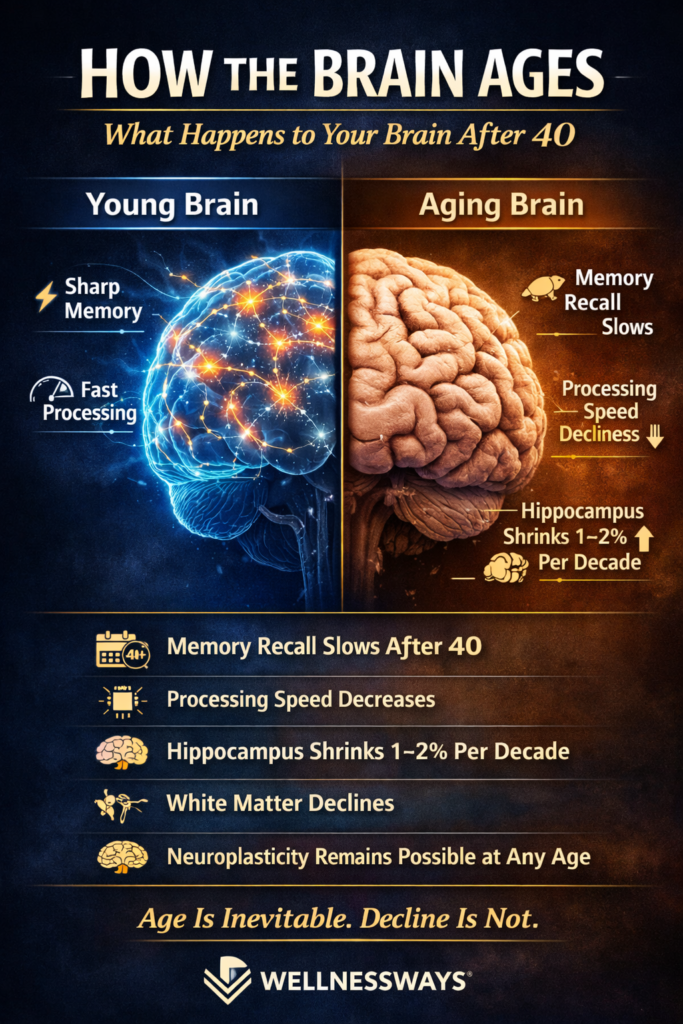
What Stress Actually Does to Your Brain — The Biology
When you encounter a stressor — whether it’s a work deadline, a difficult conversation, or financial pressure — your brain triggers the HPA axis (hypothalamic-pituitary-adrenal axis), releasing a cascade of hormones including adrenaline and cortisol.
In the short term, this is brilliant design. Cortisol sharpens focus, mobilizes energy, and prepares you to respond to challenges. The problem begins when the stress response never fully switches off.
In chronic stress, cortisol levels remain chronically elevated — and sustained high cortisol is directly toxic to brain tissue in several distinct ways.
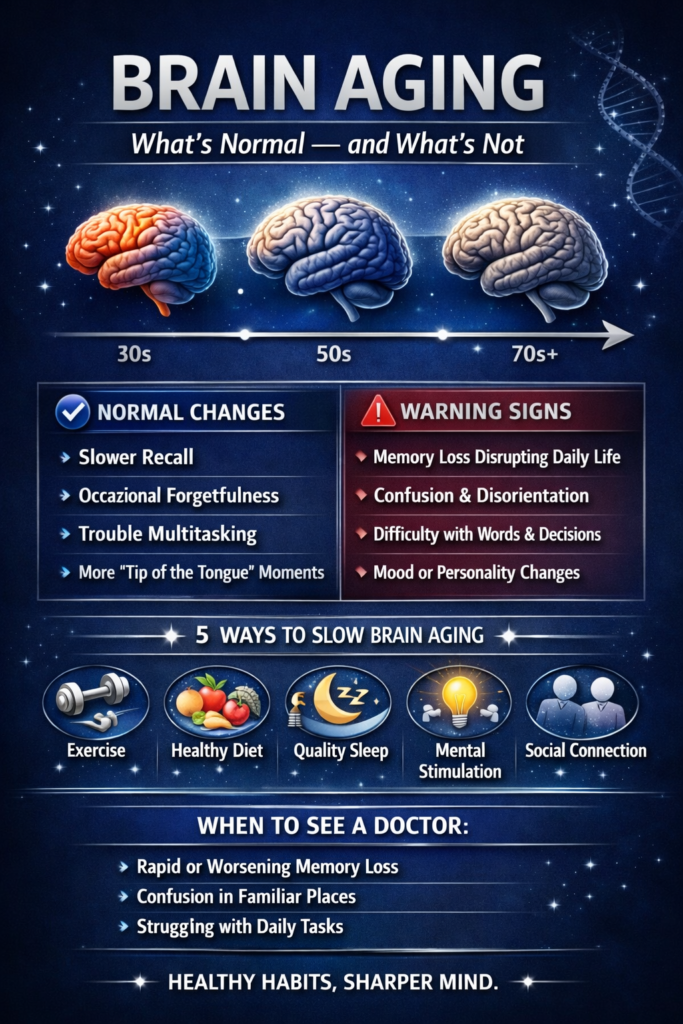
5 Ways Chronic Stress Damages Your Brain
1. It Physically Shrinks Your Hippocampus
The hippocampus is your brain’s memory and learning center — and it’s one of the most cortisol-sensitive structures in the entire brain.
Research from Yale University and multiple independent studies confirms that chronic stress causes measurable shrinkage of hippocampal volume. The mechanism: elevated cortisol suppresses BDNF (Brain-Derived Neurotrophic Factor) — the brain’s growth protein — and triggers apoptosis (cell death) in hippocampal neurons.
The real-world result: difficulty forming new memories, impaired learning, and that feeling of information “not sticking” that chronically stressed people commonly report.
For a deeper look at BDNF and how to restore it, read our complete guide on how to improve brain clarity naturally.
2. It Impairs Your Prefrontal Cortex
The prefrontal cortex (PFC) is your brain’s CEO — responsible for decision-making, impulse control, rational thinking, planning, and emotional regulation. It’s what makes you a thoughtful, considered human being rather than a purely reactive one.
Chronic cortisol exposure literally weakens the neural connections in the PFC while simultaneously strengthening connections in more primitive, reactive brain regions. This is why chronically stressed people make worse decisions, struggle with impulse control, and feel like they’re running on autopilot.
This prefrontal impairment is also a core driver of brain fog — that frustrating inability to think clearly that so many people experience during periods of high stress.
3. It Hyper-Activates Your Amygdala
The amygdala is your brain’s threat-detection center — the alarm system. Under chronic stress, the amygdala becomes physically larger and more reactive, while its connection to the moderating prefrontal cortex weakens.
The result: you become more anxious, more reactive, more prone to perceiving threats that aren’t there, and less able to regulate your emotional responses. This is the neurological basis of stress-induced anxiety — and it’s a structural brain change, not a personality flaw.
4. It Depletes Your Dopamine System
Chronic cortisol directly suppresses dopamine production and receptor sensitivity. Dopamine is your brain’s motivation, reward, and drive chemical — without adequate dopamine, everything feels flat, effortful, and meaningless.
This is why prolonged stress so reliably leads to loss of motivation, anhedonia (inability to feel pleasure), and emotional exhaustion. The brain’s reward system is literally being chemically downregulated by chronic cortisol exposure.
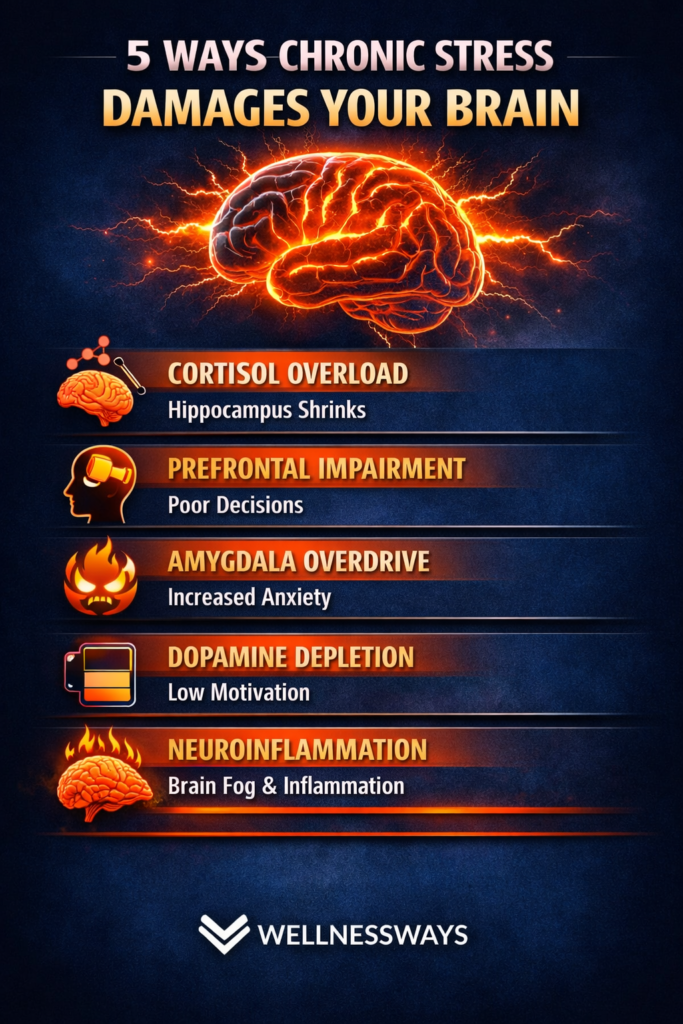
5. It Triggers Neuroinflammation
Perhaps the most alarming long-term consequence of chronic stress is neuroinflammation — inflammation within the brain itself. Chronically elevated cortisol activates microglial cells (the brain’s immune cells), which begin releasing pro-inflammatory cytokines.
Neuroinflammation is associated with accelerated cognitive aging, increased risk of depression and anxiety disorders, and is now understood to be a significant contributing factor to neurodegenerative diseases including Alzheimer’s and Parkinson’s.
The Stress-Sleep Feedback Loop
One of the most vicious consequences of chronic stress is what it does to sleep — and what poor sleep then does right back to stress levels.
Elevated cortisol directly suppresses melatonin production, making it harder to fall asleep. Disrupted sleep then prevents cortisol from properly resetting overnight, leading to even higher baseline stress levels the next day.
This feedback loop is one of the most common patterns in chronically stressed individuals — and breaking it requires addressing both sides simultaneously. Our complete guide on how to sleep better naturally covers the specific strategies to break this cycle in detail.
The Good News — Your Brain Can Recover
Here’s what the research makes very clear: the brain damage from chronic stress is largely reversible. The brain is remarkably plastic — given the right conditions, it rebuilds, regenerates, and rewires. This process is called neuroplasticity.
Specifically, the hippocampus has been shown to regenerate neurons (a process called neurogenesis) when stress is reduced and the right inputs are provided. BDNF levels recover. Prefrontal connectivity strengthens. The amygdala quiets down.
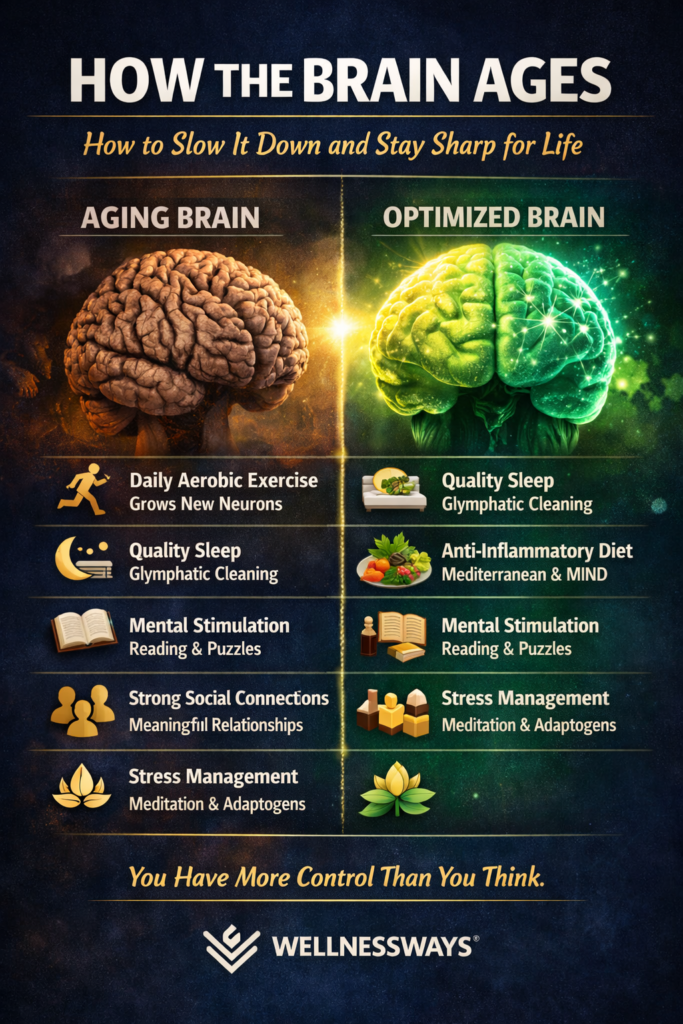
The key inputs that drive brain recovery from chronic stress:
What to Do About It — The Evidence-Based Recovery Protocol
✅ 1. Prioritize Deep Sleep
Sleep is when your brain physically clears the toxic waste products of stress — including excess cortisol metabolites and inflammatory proteins. Getting consistent 7–9 hours of quality sleep is the single highest-leverage recovery tool available.
✅ 2. Daily Aerobic Exercise
Exercise is the most powerful known stimulator of BDNF — the growth protein that reverses hippocampal shrinkage. Even 30 minutes of brisk walking 5 days per week produces measurable increases in hippocampal volume within 3–6 months. This is one of the most remarkable findings in modern neuroscience.

✅ 3. Mindfulness and Meditation
Multiple peer-reviewed studies confirm that regular mindfulness practice reduces amygdala volume and reactivity while strengthening prefrontal connectivity. Even 10 minutes per day of focused breathing or body-scan meditation produces measurable structural changes within 8 weeks.
✅ 4. Social Connection
Genuine social connection activates the oxytocin system, which directly counteracts the cortisol stress response. Research consistently shows that strong social support is one of the most powerful biological buffers against stress-induced brain damage.
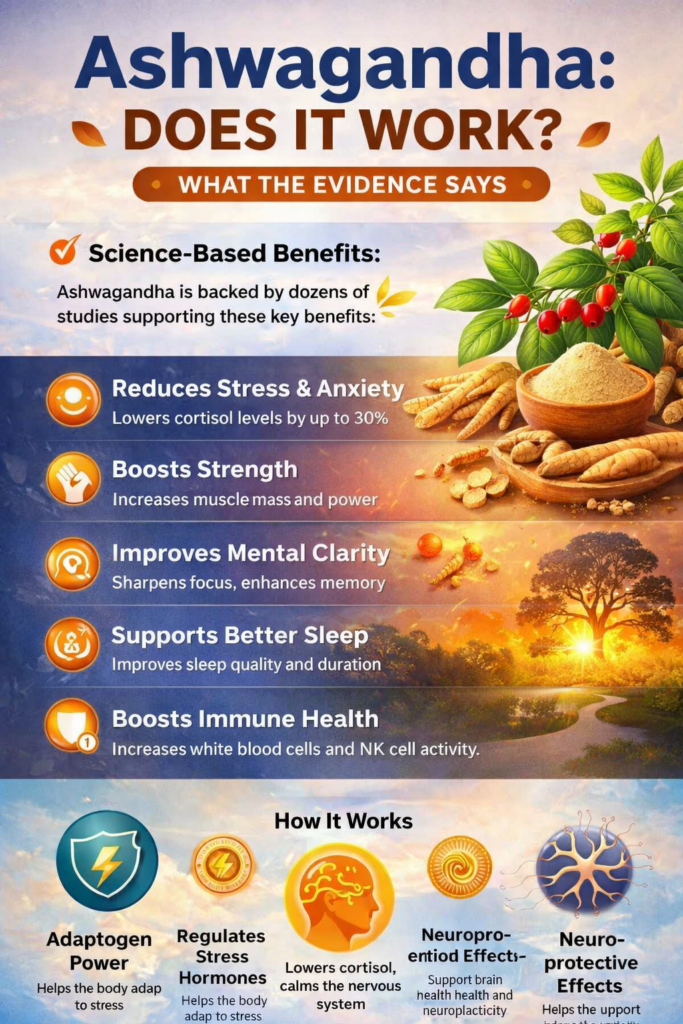
✅ 5. Adaptogenic Supplements
Several evidence-based adaptogens directly target the cortisol stress response:
- Ashwagandha (300–600mg): The most studied adaptogen for cortisol reduction, with multiple RCTs demonstrating significant reductions in cortisol, anxiety, and stress symptoms
- Rhodiola Rosea (200–400mg): Shown to reduce stress-induced fatigue and support cognitive performance under stress
- Phosphatidylserine (100–300mg): Directly blunts the cortisol response to physical and psychological stress
✅ 6. Anti-Inflammatory Nutrition
Since neuroinflammation is a key mechanism of stress-induced brain damage, an anti-inflammatory diet provides direct protection. Key foods:
- Omega-3 fatty acids (fatty fish, walnuts, flaxseed) — reduce neuroinflammation directly
- Blueberries and dark berries — high in anthocyanins with demonstrated neuroprotective effects
- Dark leafy greens — rich in folate and magnesium, both critical for stress resilience
- Dark chocolate (70%+) — reduces cortisol and contains brain-protective flavonoids
✅ 7. A Structured Morning Routine
One of the most underrated stress-management tools is predictable morning structure. When your brain knows what to expect in the first 60 minutes of the day, the HPA axis is significantly calmer than when you wake up into chaos.
The WellnessWays morning routine for all-day energy was specifically designed with this in mind — light exposure, movement, hydration, and intentional priority-setting create a cortisol curve that’s energizing without being anxiety-inducing.
The Bottom Line
Chronic stress isn’t something you should just push through. It’s a medical reality with measurable, documented consequences for your brain’s physical structure and long-term health.
The encouraging truth is that the brain responds remarkably well to the right interventions — and most of them are lifestyle-based, accessible, and free.
Sleep better. Move daily. Manage your cortisol. Feed your brain. And watch it rebuild.
For a complete understanding of how your brain maintains clarity under pressure, read our pillar guide: How to Improve Brain Clarity Naturally