
Omega-3 Brain Fog – Omega-3s and Brain Fog: Why This Fat Is Non-Negotiable After 45
If there is one nutritional deficiency most strongly and consistently associated with brain fog in adults over 45, omega-3 fatty acids — specifically DHA and EPA — are at the top of the list.
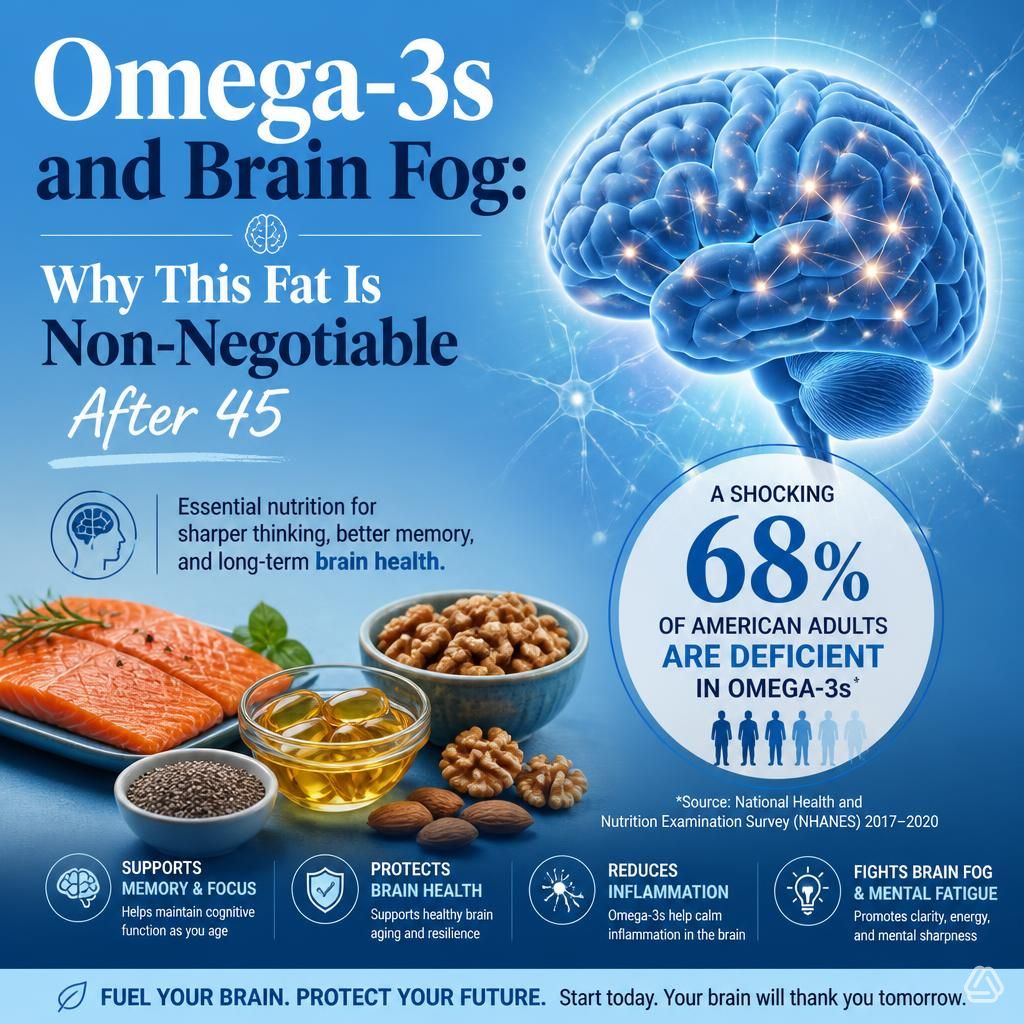
Approximately 68% of American adults are deficient in omega-3s, according to nutritional survey data — a figure that becomes even more alarming when you consider that DHA makes up roughly 60% of your brain’s structural fat. This is not a minor nutritional gap — it is a fundamental shortage of the raw material your brain uses to build and maintain its own architecture, and the cognitive consequences are significant and measurable.
DHA vs. EPA — Understanding the Difference
These two omega-3 fatty acids are often grouped together, but they serve distinct and complementary functions that are both essential. DHA (docosahexaenoic acid) is structural: it is the primary building material of neuronal cell membranes, it supports the myelination of nerve fibers, and it enables the rapid, precise signaling between neurons that underlies clear thinking and fast information processing. EPA (eicosapentaenoic acid) is anti-inflammatory: its primary function is to reduce the production of pro-inflammatory prostaglandins and cytokines, to support mood regulation by influencing serotonin receptor sensitivity, and to improve cerebral blood flow. Neither fatty acid can fully substitute for the role of the other — both are essential, and the most cognitively meaningful supplementation strategies provide meaningful quantities of each.
How Omega-3 Deficiency Creates Brain Fog
Compromised Neural Membrane Integrity
When the brain does not have adequate DHA available, it does not simply stop building cell membranes — it compensates by incorporating other less-functional fatty acids, including omega-6s and saturated fats, into the neuronal membrane structure. This substitution reduces membrane fluidity — the ease and speed with which electrochemical signals propagate across the membrane. The result is measurably slowed information processing, impaired memory consolidation, and reduced cognitive flexibility — precisely the symptoms that adults with brain fog describe as their most frustrating daily experience.
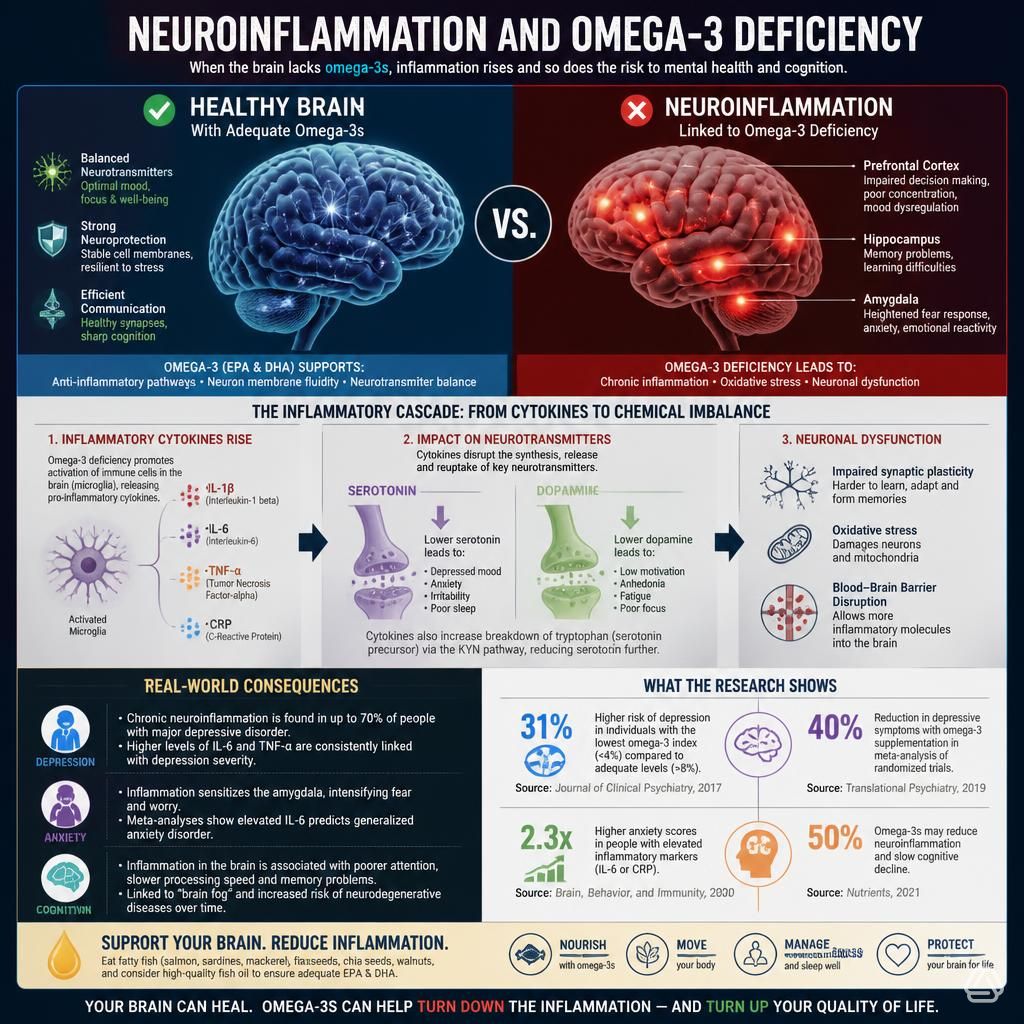
Increased Neuroinflammation
EPA’s primary function is anti-inflammatory, and deficiency creates a permissive environment for inflammatory cytokines to proliferate unchecked in the brain — a condition researchers call neuroinflammation. Neuroinflammatory processes directly impair the synthesis and receptor sensitivity of key neurotransmitters including serotonin and dopamine, and are increasingly recognized as a central mechanism in depression, anxiety, and the broader spectrum of cognitive cloudiness. Chronic neuroinflammation driven by omega-3 deficiency is not a theoretical concern — it is a documented biochemical state with measurable cognitive consequences.
Disrupted Mood Neurotransmission
Both DHA and EPA exert significant influence on the serotonin and dopamine systems — not by acting as neurotransmitters themselves, but by affecting receptor density, receptor sensitivity, and the efficiency of neurotransmitter production pathways. Omega-3 deficiency reduces the efficiency of these critical mood-regulating systems, contributing to the low mood, motivational flatness, and emotional dullness that so often accompanies cognitive brain fog — and which is frequently mistaken for depression rather than recognized as a nutritional deficiency state.
How Much Do You Actually Need?
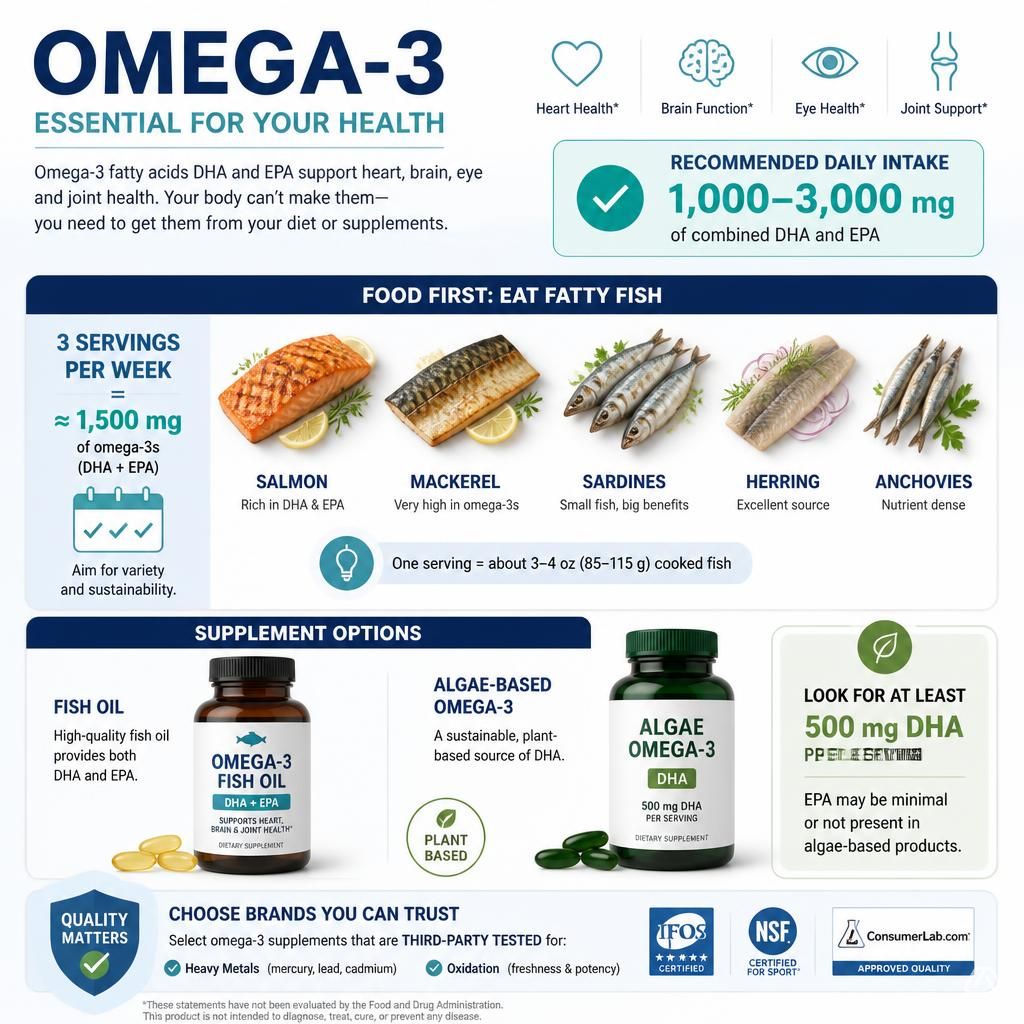
The research consensus for meaningful cognitive benefit converges around 1,000–3,000mg of combined DHA plus EPA daily — a range significantly higher than the amounts provided by most “standard” omega-3 supplements or multivitamins. Dietary sources remain valuable: three servings of fatty fish per week provides approximately 1,500mg of combined omega-3s, placing a committed fish-eater at the lower boundary of the therapeutic range. For supplementers — which includes most adults who don’t reliably eat fatty fish three times weekly — look for fish oil or algae-based omega-3 products providing at least 500mg of DHA per serving, from a brand that is third-party tested for heavy metals and oxidation.
Not All Fish Oil Is Created Equal
Quality variation in the omega-3 supplement market is substantial, and choosing a low-quality product may provide little benefit. The most important quality markers: look for fish oil in triglyceride form rather than ethyl ester form, as triglyceride-form omega-3s are significantly more bioavailable; seek out IFOS (International Fish Oil Standards) or NSF-certified products, which confirm purity and potency through independent testing; store your supplement in a dark location away from heat and light, as omega-3s oxidize easily; and always take with a fat-containing meal to maximize absorption. A rancid fish oil — identifiable by a strong, unpleasant fishy smell — may cause more oxidative harm than good, and should be discarded.
Omega-3s and Weight — The Bonus Connection
The cognitive benefits of omega-3s are the primary focus here, but it’s worth noting a metabolic dividend: research shows that EPA and DHA support the activity of adiponectin — a hormone produced by fat cells that improves insulin sensitivity and reduces the inflammatory signaling from visceral fat.
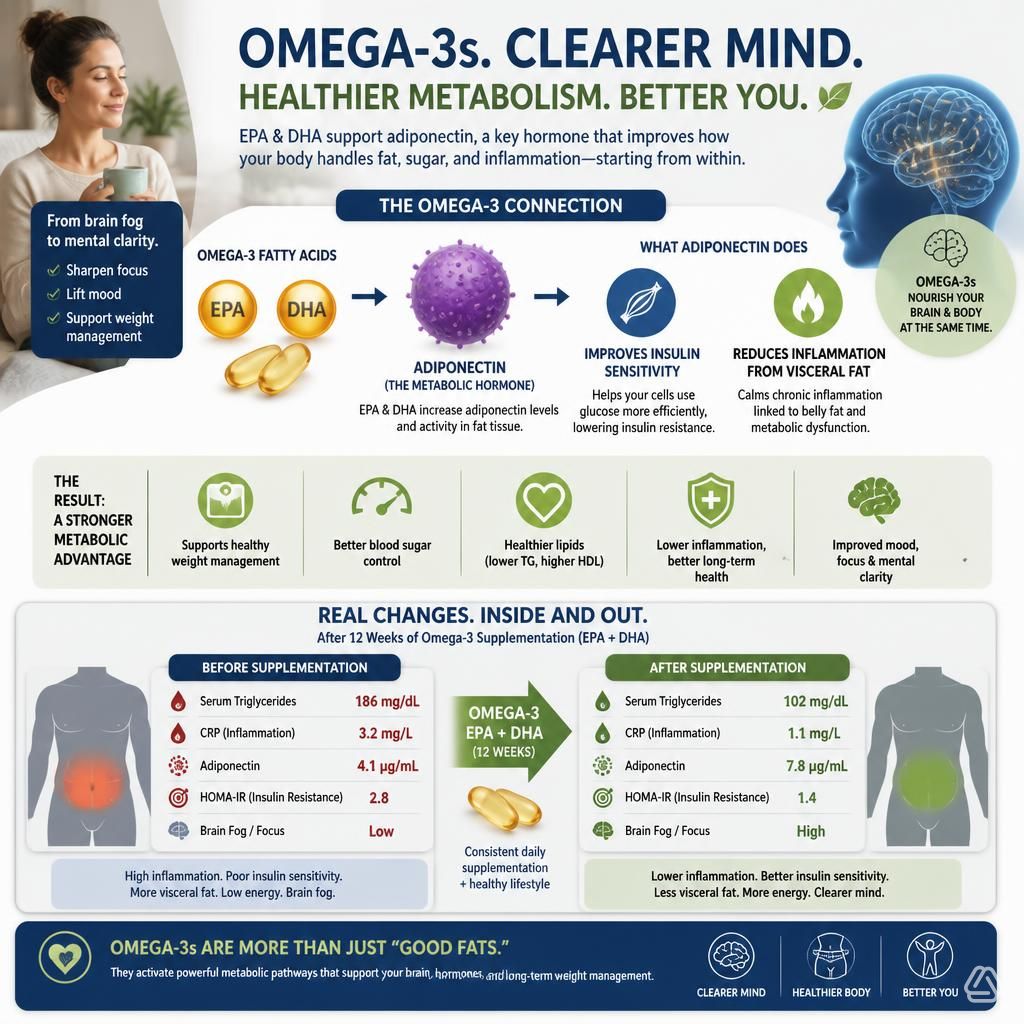
Omega-3 supplementation has been associated with modest but meaningful reductions in serum triglycerides and improvements in several metabolic markers relevant to weight management. For adults dealing with both brain fog and metabolic challenges, this represents a rare nutritional intervention that addresses both simultaneously. [Internal Link: Could Your Weight Be Causing Your Brain Fog?]
🧠 The Brain Fog Root Cause Behind Omega-3 Deficiency
Nutritional deficiency — including omega-3 status — is one of the 5 root causes in the Brain Fog Root Cause Quiz. If your brain fog has a nutritional driver, your quiz result will point you toward the most targeted interventions to address it efficiently.
Medical Disclaimer: This article is for educational and informational purposes only and does not constitute medical advice. Always consult a qualified healthcare professional before making changes to your health routine.