
WellnessWays.net — Evidence Review Series — Tier 3 Deep Dive
Lion’s Mane Mushroom Benefits – Complete Evidence Review and What the Research Actually Shows
By the WellnessWays Editorial Team | Published: September 21, 2026 | Last reviewed: September 2026 | Reading time: approx. 18–22 minutes
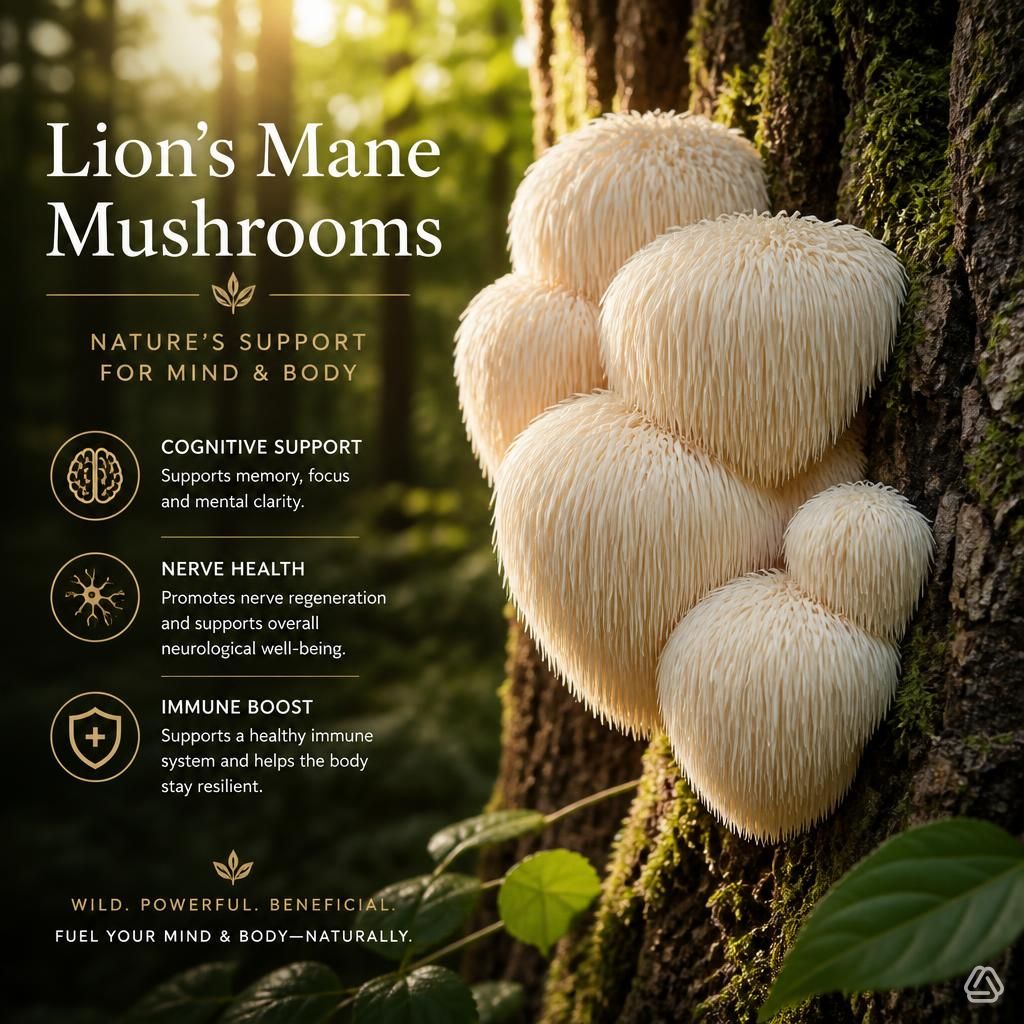
🌿 Lion’s Mane At A Glance
| Category | Summary |
|---|---|
| Species | Hericium erinaceus |
| Primary active compounds | Hericenones A–H (fruiting body); Erinacines A–I (mycelium) |
| Core mechanism | Stimulates endogenous Nerve Growth Factor (NGF) synthesis |
| Best-evidenced benefit | Cognitive support in older adults with mild cognitive impairment |
| Evidence strength (overall) | ⭐⭐⭐⭐ — Some human RCTs + strong preclinical evidence |
| Evidence gaps | Limited large RCTs; sparse data in healthy younger adults |
| Recommended dose | 500–3,000 mg/day fruiting body extract; allow 8–12 weeks |
| Safety profile | Excellent — no significant adverse effects at standard doses in trials |
| Critical quality issue | Many products use mycelium-on-grain — largely starch, minimal actives |
| Who benefits most | Adults 40+ concerned about long-term brain health and neurodegeneration |
Lion’s Mane (Hericium erinaceus) is one of the most interesting and genuinely promising natural nootropics in current research. It is also one of the most misrepresented — plagued by exaggerated claims, low-quality products, and marketing that far outstrips the evidence. This review presents the complete picture: the compelling science, the honest limitations, and exactly what you need to know to make an informed decision about whether Lion’s Mane belongs in your regimen.
🔗 Related Reading on WellnessWays
- The WellnessWays Brain Clarity Foundation Protocol
- The Complete Guide to Nootropic Stacking for Beginners
- How to Read a Supplement Label — A Plain-English Guide
- Bacopa Monnieri — Memory, Dosage, and What the Research Actually Says
- How to Read a Supplement Study (Without a PhD)
📊 Evidence Rating System Used In This Review
| Rating | What It Means |
|---|---|
| ⭐⭐⭐⭐⭐ | Multiple high-quality human RCTs with consistent findings |
| ⭐⭐⭐⭐ | Some human trials + strong and consistent preclinical evidence |
| ⭐⭐⭐ | Preclinical evidence + limited but supportive human trials |
| ⭐⭐ | Mostly preclinical (animal and cell studies) — human data sparse |
| ⭐ | Theoretical or early-stage emerging research only |
Ratings reflect the current weight and quality of evidence as of September 2026. The field moves quickly; check back for updates.
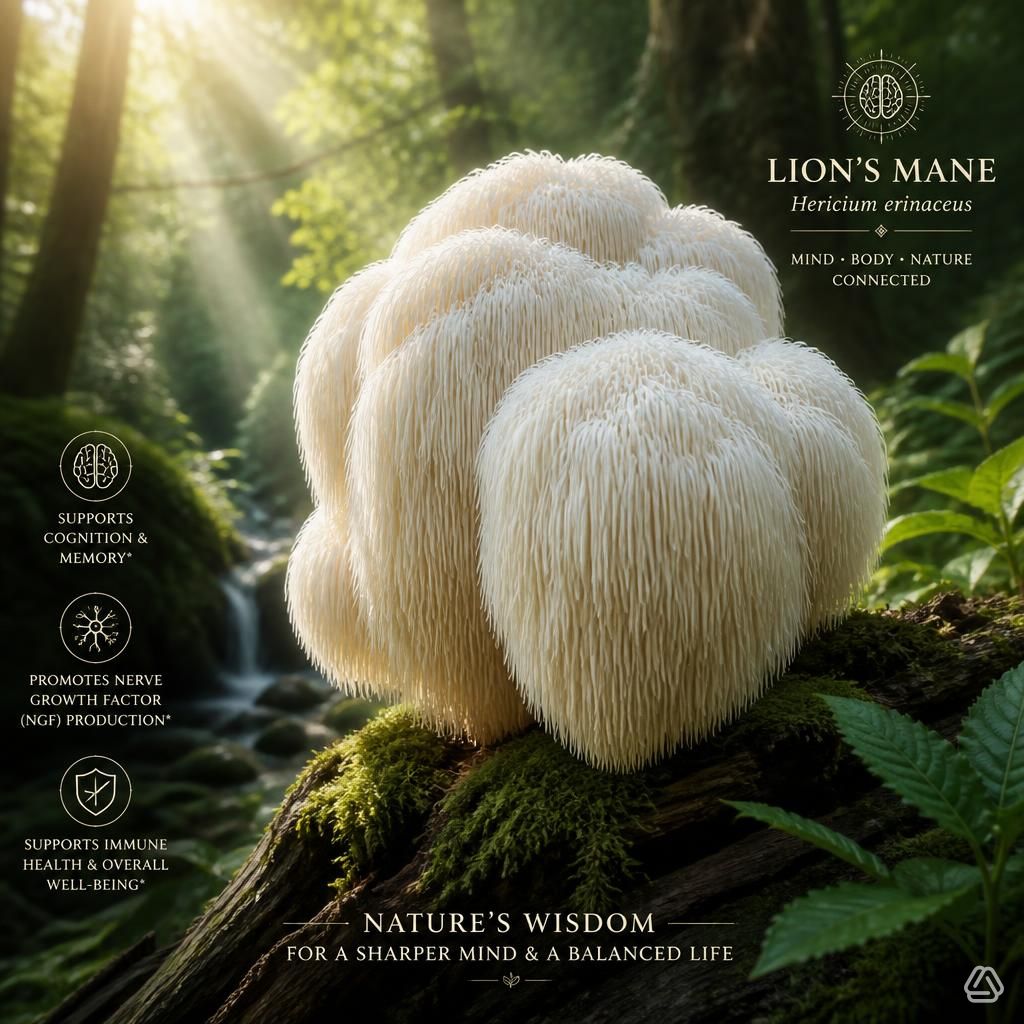
What Is Lion’s Mane? — Botany and Traditional Use
Hericium erinaceus is a large, tooth-fungus native to Asia, North America, and Europe, where it grows on the trunks and wounds of hardwood trees — particularly oak, walnut, and beech. Its appearance is unlike any conventional mushroom: a cascade of long, dangling white spines that give it the look of a lion’s mane (or, depending on your imagination, a pom-pom, a waterfall, or a polar bear’s paw). It is both edible — with a mild seafood-like flavour often compared to crab or lobster — and medicinally significant.
In Traditional Chinese Medicine (TCM), Lion’s Mane has been used for centuries under the name Hóu Tóu Gū (猴头菇), primarily to support digestive health, strengthen the spleen, and nourish the “five internal organs.” It was consumed by Buddhist monks — sometimes as a tea — reportedly to sharpen focus during meditation. In Japan, it is known as yamabushitake (after the Yamabushi monks), where it has similarly deep culinary and medicinal roots.
Modern scientific interest began in earnest in Japan in the 1990s, when researchers first isolated the novel bioactive compounds responsible for the mushroom’s neurological effects. Since then, peer-reviewed research has been conducted extensively in Japan, China, South Korea, Taiwan, and increasingly in Western universities — with a meaningful acceleration in the volume and quality of human clinical trials since 2018.
The Key Active Compounds — What Makes It Work
Unlike many supplements where the active mechanism is vaguely attributed to “antioxidants” or “phytonutrients,” Lion’s Mane has well-characterized bioactive compounds with a genuinely specific and scientifically significant mechanism. Understanding them is essential to evaluating both the research and the quality of any supplement you consider purchasing.
Hericenones (From the Fruiting Body)
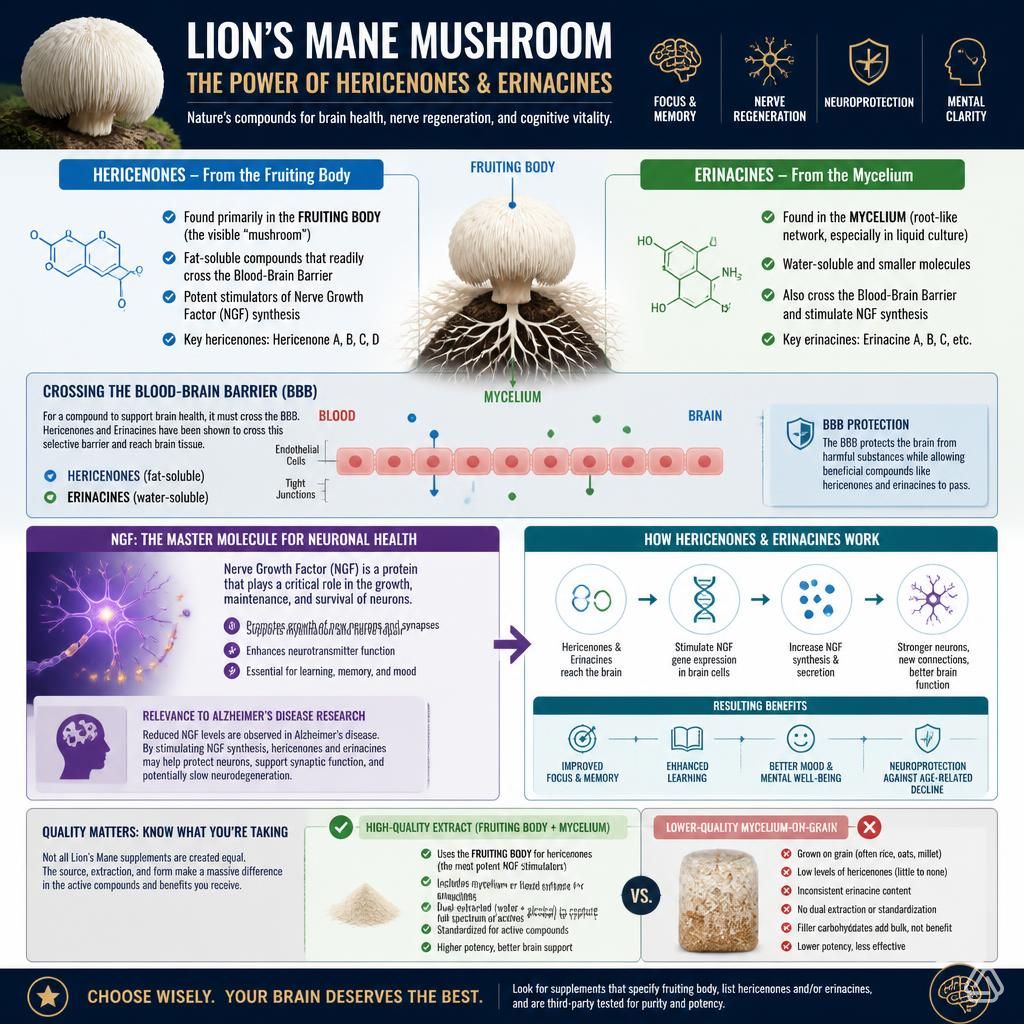
Hericenones A through H are small-molecular-weight aromatic compounds found exclusively in the fruiting body — the visible, above-ground mushroom structure. Their significance lies in two properties: they are lipophilic enough to cross the blood-brain barrier, and they directly stimulate the synthesis of Nerve Growth Factor (NGF) in neurons. Hericenones were first isolated and characterized by Kawagishi et al. in 1994, and they remain the primary candidates responsible for the cognitive and neuroprotective effects documented in human trials using fruiting body extracts.
Erinacines (From the Mycelium)
Erinacines A through I are diterpene compounds found in the mycelium — the root-like underground structure of the fungus. They also potently stimulate NGF synthesis; some erinacines (particularly Erinacine A) are reported to be more potent NGF stimulators than the hericenones and have demonstrated activity in animal models of Alzheimer’s and Parkinson’s disease.
⚠️ Critical Quality Flag: Not All “Mycelium” Is Equal
Erinacines are genuine and valuable — but they are only present in meaningful quantities in mycelium that has been grown in liquid fermentation and properly extracted. The vast majority of budget Lion’s Mane supplements use mycelium-on-grain (MOG): mycelium grown on a grain substrate (usually oats or brown rice), then dried and powdered without separation. The resulting powder is typically 50–80% grain starch, with minimal erinacine content. This is covered in full in the supplement quality section below — it is arguably the most practically important thing to understand before buying Lion’s Mane.
NGF — The Central Mechanism
Nerve Growth Factor (NGF) is a neurotrophic protein that promotes the growth, maintenance, differentiation, and survival of neurons. It belongs to the neurotrophin family alongside Brain-Derived Neurotrophic Factor (BDNF) and plays a particularly critical role in the survival and function of cholinergic neurons in the basal forebrain — the neurons most severely and selectively affected in Alzheimer’s disease.
NGF cannot itself be administered therapeutically because it does not cross the blood-brain barrier from the bloodstream. This has been a major obstacle in Alzheimer’s drug development for decades. What makes Lion’s Mane’s mechanism genuinely interesting to neuroscientists is that its active compounds stimulate the body’s own endogenous production of NGF within the central nervous system — bypassing the blood-brain barrier problem entirely by inducing local synthesis rather than delivering exogenous NGF.
This is not the same as other so-called “nootropics” that vaguely claim to “support brain health.” The NGF stimulation mechanism is well-established in vitro and in vivo, and the downstream effects — neurite outgrowth, enhanced neuronal survival, improved synaptic plasticity — are biologically plausible pathways to the cognitive benefits observed in human trials. The open scientific question is not whether the mechanism is real; it is whether oral supplementation delivers sufficient compound concentrations to the brain in humans to produce meaningful effects at practical doses. The accumulating evidence suggests yes.
The Research — What Does the Evidence Actually Show?
Cognitive Function in Older Adults ⭐⭐⭐⭐
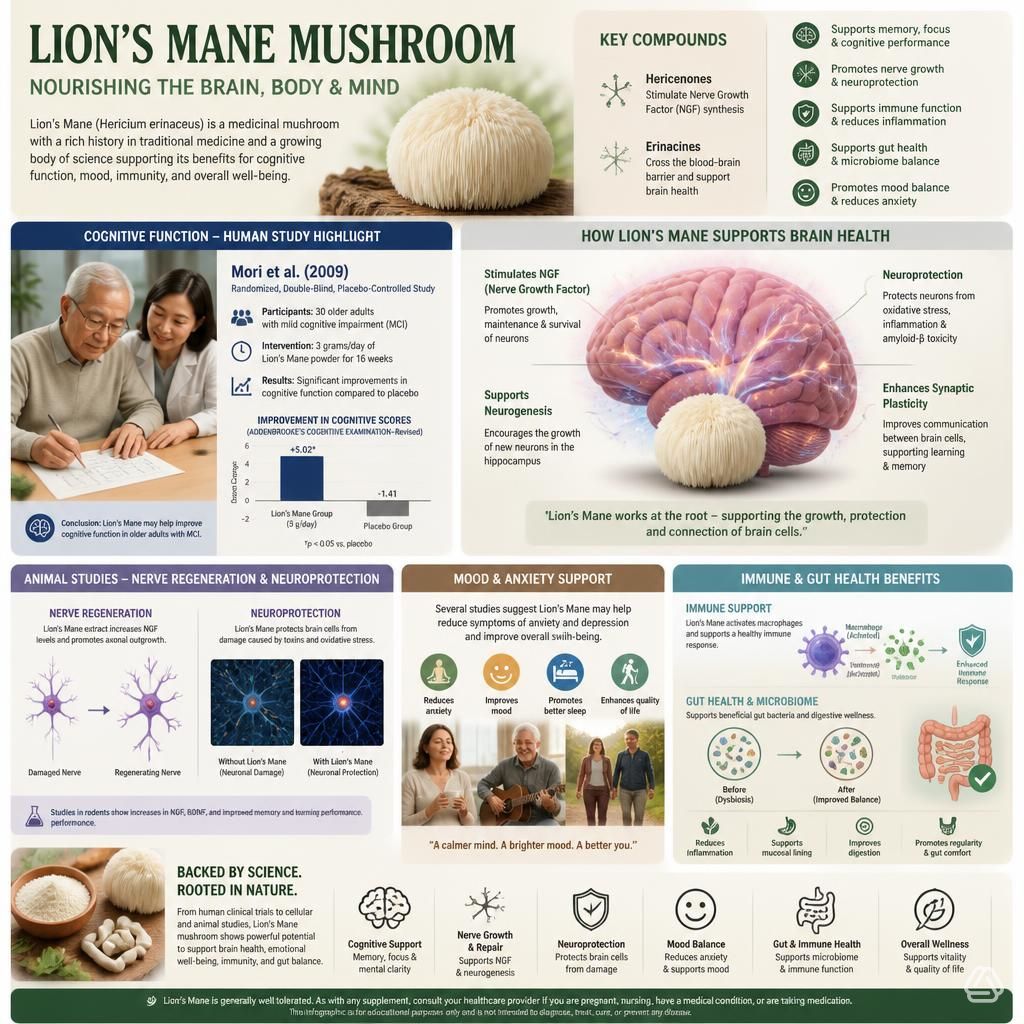
The foundational human study in this area remains Mori et al. (2009), published in Phytotherapy Research. This was a randomized, double-blind, placebo-controlled trial enrolling 30 Japanese adults aged 50–80 diagnosed with mild cognitive impairment (MCI). Participants received either Lion’s Mane (four 250 mg tablets, three times daily, equating to 3 g/day of dried fruiting body powder) or placebo for 16 weeks. Cognitive function was assessed using the Hasegawa Dementia Scale (HDS-R) at weeks 8, 12, and 16. The Lion’s Mane group showed statistically significant improvements in cognitive scores at all assessment points compared to placebo. Crucially, scores began to decline again after supplementation was discontinued at 16 weeks — suggesting an ongoing, compound-dependent effect rather than a one-time neurological event.
Honest Limitation
The Mori et al. (2009) sample size of 30 participants is small by modern RCT standards. The study was also conducted exclusively in older adults with pre-existing MCI, limiting generalizability to healthy individuals. These limitations are genuine and should temper interpretation — though the methodology was sound and the findings have been directionally consistent with subsequent research.
Saitsu et al. (2019) provided a smaller but complementary signal, demonstrating improved cognitive function scores in healthy older adults (not just those with MCI), using a Lion’s Mane tablet intervention over 12 weeks. A notable addition to the evidence base came from Li et al. (2020) out of Taiwan: a study in 41 patients at risk of early Alzheimer’s disease, using a 365-day intervention with erinacine A-enriched mycelial capsules, which showed improvements in cognitive assessments (MMSE, CASI) alongside a favourable safety profile.
More recently, Docherty et al. (2023), a UK-based placebo-controlled trial in 43 healthy adults (mean age 26 years), found that 600 mg/day of Lion’s Mane for 28 days improved performance on cognitive assessment tasks. A 2023 study published in Nutrients investigating acute and chronic effects in adults aged 18–45 found that a single dose of 1.8 g led to significantly faster performance on the Stroop task — a well-validated measure of processing speed and cognitive control — 60 minutes post-dose. Across 28 days, a trend toward reduced subjective stress was observed. These findings are preliminary but meaningful: they suggest effects may extend beyond older populations and may begin more rapidly than previously assumed, though larger replications are needed.
Nerve Regeneration and Neuroprotection ⭐⭐⭐⭐
The preclinical evidence for Lion’s Mane in neuroprotection and nerve regeneration is extensive and mechanistically compelling. Multiple animal studies have documented:
- Promotion of peripheral nerve regeneration following injury (sciatic nerve crush models)
- Protection against neurodegeneration in both Parkinson’s and Alzheimer’s rodent models
- Reduction of amyloid-beta plaque accumulation in Alzheimer’s mouse models
- Enhanced neurite outgrowth in hippocampal and cortical cell cultures
- Protection of dopaminergic neurons against oxidative stress
The neuroprotective signal in preclinical models is remarkably consistent across independent research groups. The primary remaining question — as with all preclinical research — is the extent to which animal model findings translate to human neurophysiology. Human nerve regeneration trials are at an early stage, but the biological plausibility is high.
Mood and Anxiety ⭐⭐⭐
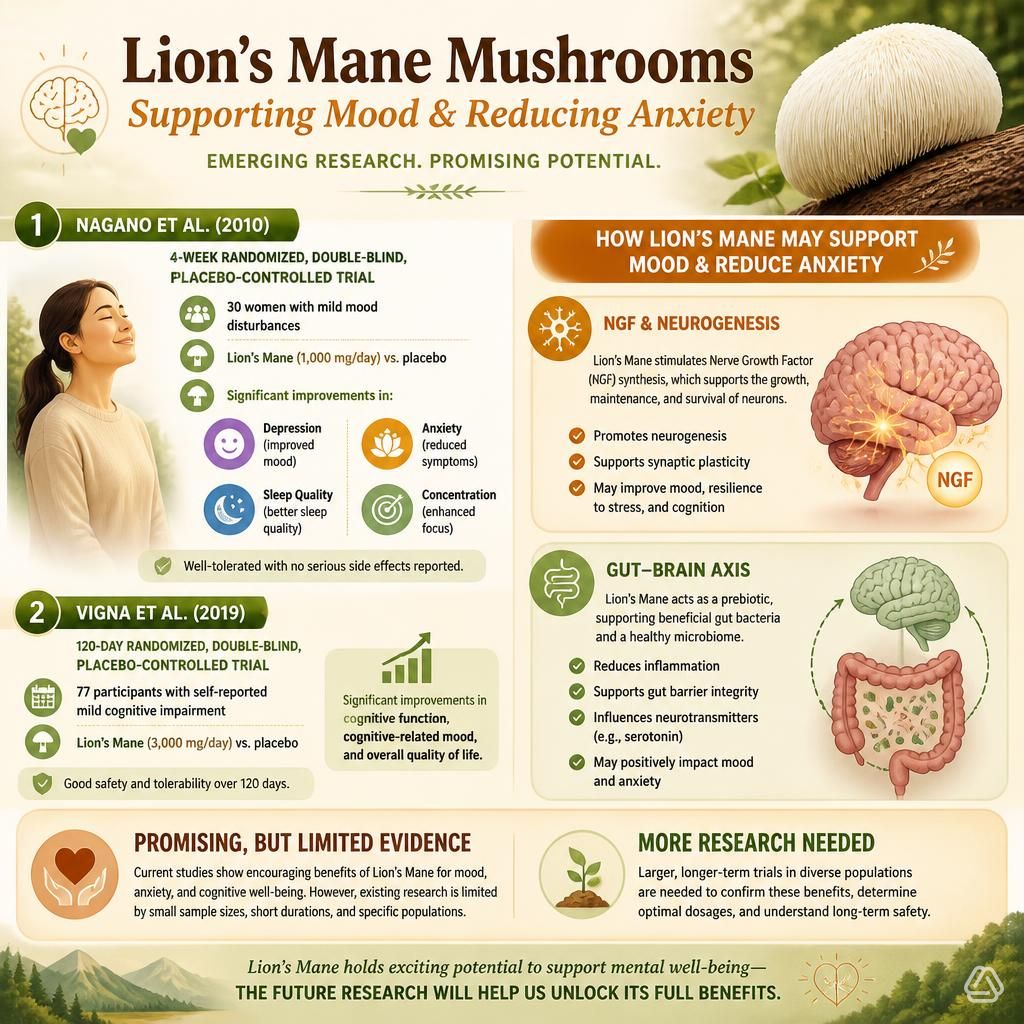
Nagano et al. (2010), published in Biomedical Research, is the primary human study in this area: a four-week RCT in 30 women consuming either Lion’s Mane cookies or placebo cookies. The Lion’s Mane group reported significantly reduced scores on depression and anxiety scales, alongside improvements in sleep quality and concentration. The effect size was meaningful despite the small sample and the somewhat unusual delivery format (cookies).
The mechanism here is biologically interesting: it is likely not purely pharmacological in the conventional sense. NGF plays a well-documented role in hippocampal neurogenesis, which is strongly implicated in mood regulation and resilience to anxiety. Additionally, Lion’s Mane has documented prebiotic effects on beneficial gut bacteria (particularly increasing short-chain fatty acid-producing microbiota), and the gut-brain axis is increasingly recognised as a significant mediator of neuroinflammation, mood, and cognitive function. Vigna et al. (2019), in a 120-day Italian RCT of 77 participants, found improvements in mood and sleep disorders with Lion’s Mane supplementation assessed via multiple validated scales.
The mood and anxiety evidence base is currently at the level of promising but limited — the human trial base needs larger, better-powered studies before firm conclusions can be drawn. But the signals are directionally consistent and mechanistically grounded.
Immune Function ⭐⭐⭐⭐
Lion’s Mane is rich in beta-glucans — complex polysaccharides with well-documented immunomodulatory properties across multiple mushroom species. Beta-glucans act as biological response modifiers: they activate macrophages and natural killer (NK) cells, enhance innate immune surveillance, and modulate inflammatory cytokine profiles. The immunomodulatory properties of Lion’s Mane beta-glucans are among the best-evidenced aspects of the mushroom, drawing on a large body of both in vitro and in vivo research. This is not directly a cognitive benefit, but it is relevant to overall health and may indirectly support cognitive function through reduced neuroinflammation.
Digestive and Gut Health ⭐⭐⭐
Separate from its neurological effects, Lion’s Mane has documented gastroprotective properties. Animal studies have shown protection of the gastric mucosa and anti-ulcer effects. Human research — including the Xie et al. (2021) study in healthy adults — has documented positive effects on gut microbiota composition, including increases in SCFA-producing bacteria. There is also in vitro and animal evidence for inhibition of Helicobacter pylori, the bacterium responsible for most peptic ulcers. These effects are relevant through the gut-brain axis for cognitive and mood outcomes, and represent a distinct potential benefit for digestive health independent of cognitive function.
What Lion’s Mane Is NOT Good For — Honest Limitations
This section matters. Intellectual honesty about limitations is not a disclaimer buried in the footnotes — it is central to making an informed decision.
❌ What the Evidence Does NOT Support
- It is not a fast-acting stimulant or acute focus booster in the conventional sense. Unlike caffeine or racetams, Lion’s Mane works primarily through neuroplasticity mechanisms that develop over weeks to months of consistent use. Most of the evidence — and all of the landmark cognitive trials — involve multi-week interventions. The Docherty 2023 data suggesting some acute effects is interesting but preliminary; do not purchase Lion’s Mane expecting to feel it within an hour.
- The human clinical trial base is still limited in size and scope. Most published RCTs involve small samples (typically 30–80 participants). Most have been conducted in older adults with existing cognitive impairment. Evidence in healthy younger adults is growing but remains sparser. This is an honest limitation — promising, not proven beyond reasonable doubt.
- It will not reverse diagnosed Alzheimer’s disease. The amyloid-reduction data is from animal models. Human trials in Alzheimer’s patients are in early stages. Claims that Lion’s Mane “cures” or “reverses” Alzheimer’s are not supported by current evidence.
- Effects are cumulative and, for most users, subtle. Neuroplasticity is inherently a slow biological process. If you are expecting dramatic, immediately perceptible changes in cognitive performance, you will likely be disappointed and conclude the product “doesn’t work” prematurely. Subtle improvements in clarity, recall, and mood resilience over 8–12 weeks are a more realistic expectation.
- Not all studies show significant effects. Some trials have returned null results, particularly in healthy young adults at lower doses. This does not mean Lion’s Mane is ineffective — it means the effect size may be moderate, the dose may matter, and the population most likely to benefit (older adults with some cognitive impairment) may be better defined.
Supplement Quality — The Critical Difference Between Products
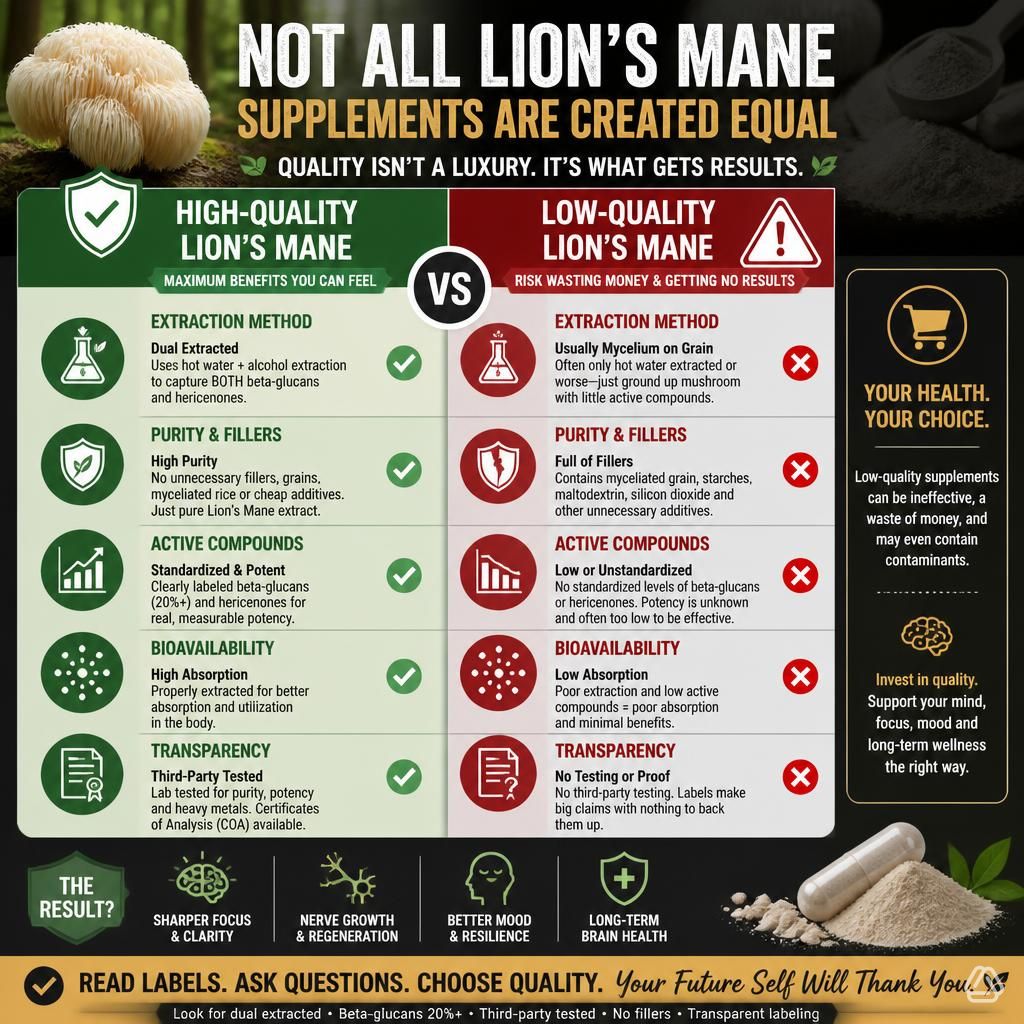
Lion’s Mane is one of the supplement categories where product quality varies most dramatically — and where uninformed purchasing is most likely to result in a product that is largely inert. Understanding the following distinctions before you buy is not optional; it is the difference between a potentially meaningful intervention and an expensive placebo.
Fruiting Body vs. Mycelium on Grain (MOG)
This is the single most important quality distinction in Lion’s Mane supplements.
| Fruiting Body Extract | Mycelium on Grain (MOG) |
|---|---|
| The actual mushroom — the above-ground visible structure | Fungal mycelium grown on grain (oats, brown rice, wheat) substrate |
| Contains hericenones A–H — the primary active compounds | May contain some erinacines, but grain substrate is NOT removed |
| All published human RCTs use fruiting body extracts | Little to no human clinical trial data using MOG specifically |
| Typically 25–40% beta-glucan content when properly extracted | Typically 50–80% starch from grain substrate |
| ✓ PREFERRED for cognitive benefit | ⚠ Frequently mislabelled or misrepresented |
🔴 Red Flag: The “Polysaccharides” Labelling Trick
Many MOG products list total “polysaccharide” content (e.g., 50%) as a quality marker. This is misleading. Starch from the grain substrate is also a polysaccharide — it will inflate polysaccharide numbers without adding any cognitive benefit. Look specifically for beta-glucan content (not just “polysaccharides”) declared on the label. A quality fruiting body extract should show ≥25% beta-glucans. If only polysaccharides are listed without specifying beta-glucans, treat this as a significant quality concern.
Extraction Method
Lion’s Mane, like all medicinal mushrooms, has active compounds locked behind chitin — a tough structural polysaccharide in the fungal cell wall that is not broken down by human digestion. Raw mushroom powder without extraction is poorly bioavailable. Look for:
- Hot water extraction: Required to liberate beta-glucans and other water-soluble active compounds from the chitin matrix. This is the minimum standard for a quality product.
- Dual extraction (hot water + alcohol): Captures both water-soluble compounds (beta-glucans, polysaccharides) and fat-soluble compounds (hericenones, sterols). Considered the gold standard for full-spectrum fruiting body extracts.
- ⚠ Raw powder without extraction: Significantly less bioavailable. May still provide some benefit as a whole-food source, but is not comparable to an extracted product for cognitive effects.
What to Look for on the Label
✓ Quality Checklist Before You Buy
- “Fruiting body” explicitly stated — not just “Lion’s Mane” or “mycelium”
- Beta-glucan content declared — ≥25% is a reasonable quality benchmark
- Extraction method stated — hot water or dual extraction preferred
- Third-party tested — COA (Certificate of Analysis) available for contaminant and identity verification
- No filler ingredients — check that grain starch, maltodextrin, or brown rice flour are not listed as significant components
Dosage — What the Research Uses
Dosing recommendations for Lion’s Mane should be anchored to the human trial data rather than manufacturer suggestions, which are often set by cost considerations rather than efficacy data.
| Parameter | Research-Based Guidance |
|---|---|
| Standard daily dose | 500 mg–3,000 mg fruiting body extract per day |
| Mori et al. (2009) dose | 3 g/day dried fruiting body (split across three doses) |
| Docherty et al. (2023) | 600 mg/day extracted fruiting body — cognitive benefit observed |
| Li et al. (2020) — Alzheimer’s risk | Erinacine A-enriched mycelial capsules, 3 caps/day (5 mg/g erinacine) |
| Timing with food | No significant difference reported; with food may aid tolerability |
| Minimum assessment period | 4–8 weeks before evaluating; full assessment at 12 weeks |
| Cycling requirement | No evidence of tolerance; no cycling required based on current data |
A practical starting point for most adults is 500–1,000 mg of a quality fruiting body extract, once or twice daily. More experienced users or those targeting specific cognitive support may work up to 2,000–3,000 mg/day, consistent with doses used in longer-term trials. There is no current evidence of diminishing returns or adverse effects at the higher end of this range.
Safety Profile
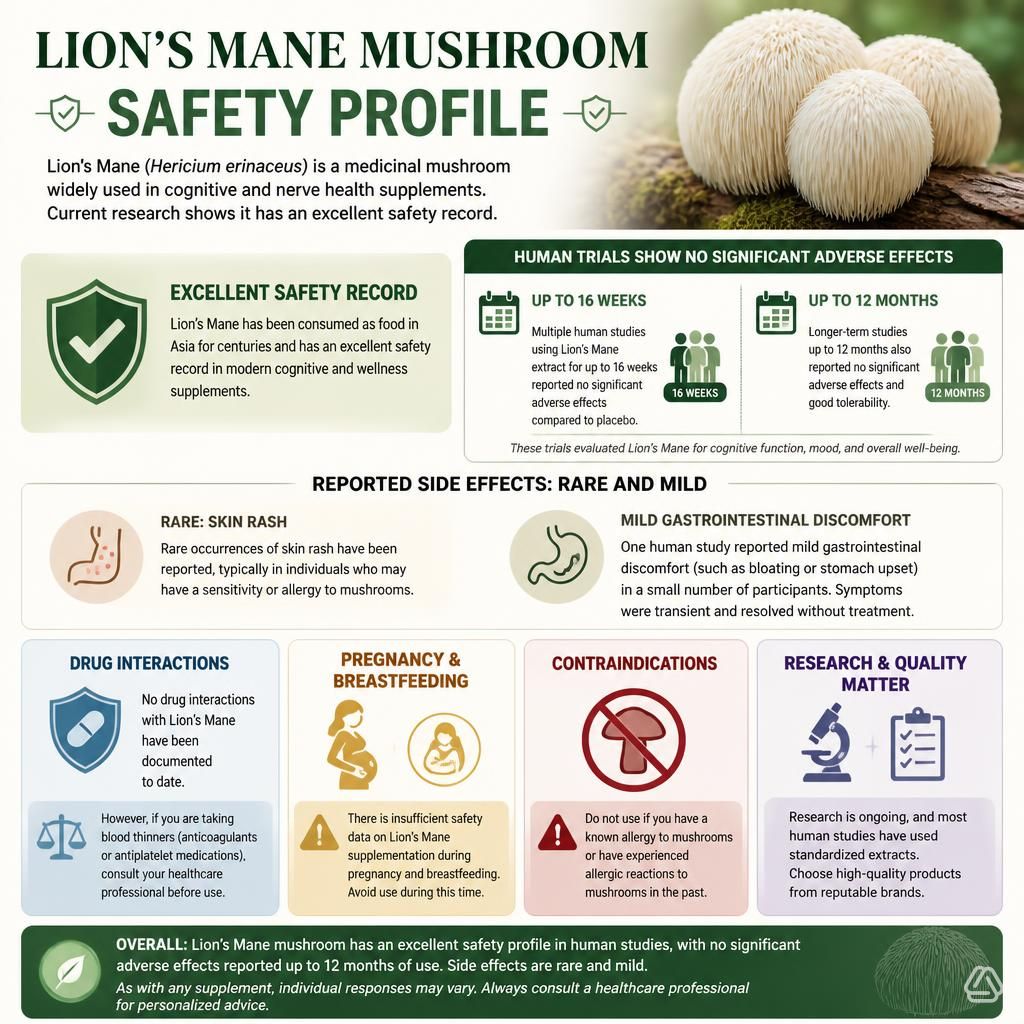
Lion’s Mane has an excellent safety record across the published literature, which is one of the reasons it occupies a genuinely favourable risk-benefit position relative to many other cognitive supplements.
- No significant adverse effects reported in human trials at standard doses across studies of up to 16 weeks (Mori et al.) and 12 months (Li et al.)
- Rare: skin rash — a small number of case reports describe dermatological reactions, consistent with a mushroom-sensitivity or allergic response. If you have known sensitivities to fungi, start low and monitor.
- Gastrointestinal discomfort (nausea, abdominal bloating) was reported by a small number of participants in the Li et al. (2020) erinacine A study — the only trial reporting any notable adverse events, and these were described as mild and transient.
- No documented drug interactions at standard doses in published research. A theoretical interaction via platelet-modulating effects has been proposed, but has not been documented clinically. If you are taking blood thinners (warfarin, clopidogrel, aspirin therapy), consult a healthcare professional before use.
- Pregnancy and breastfeeding: Insufficient safety data exists. Avoid use during pregnancy and breastfeeding, or consult a qualified healthcare professional.
- Contraindication: Known allergy to mushrooms or fungi.
ℹ️ Note
The safety data from human trials reflects quality fruiting body extracts at tested doses. Safety data cannot be assumed to extend to unextracted raw powders, highly concentrated proprietary blends at doses far above studied levels, or products of uncertain quality and provenance. As with any supplement, quality sourcing matters for safety as much as for efficacy.
Who Is Lion’s Mane Most Likely to Benefit?
Based on the current evidence, the following profiles represent those most likely to experience meaningful benefit from a quality Lion’s Mane supplementation protocol:
| Best Candidate Profile ✓ | Likely Limited Benefit ⚠ |
|---|---|
| Adults 40+ concerned about long-term cognitive health and neurodegeneration prevention | Healthy young adults (18–35) with no cognitive concerns and seeking dramatic stimulant-like effects |
| Anyone with mild cognitive impairment or subjective cognitive decline | Anyone expecting immediate, acute noticeable effects (within days) |
| Those supporting recovery from peripheral neurological injury (emerging evidence) | Those unwilling to commit to a consistent 8–12 week trial |
| Anyone seeking a well-evidenced neuroprotective addition to a cognition-focused supplement stack | Those expecting reversal of diagnosed neurodegenerative disease |
| Those experiencing elevated stress, mood fluctuations, or anxiety and wanting an evidence-based adjunct support tool | |
| Those with gut health concerns seeking a simultaneous prebiotic benefit |
Frequently Asked Questions
[FAQ section — apply FAQPage schema markup in WordPress]
Q: How long until Lion’s Mane starts working?
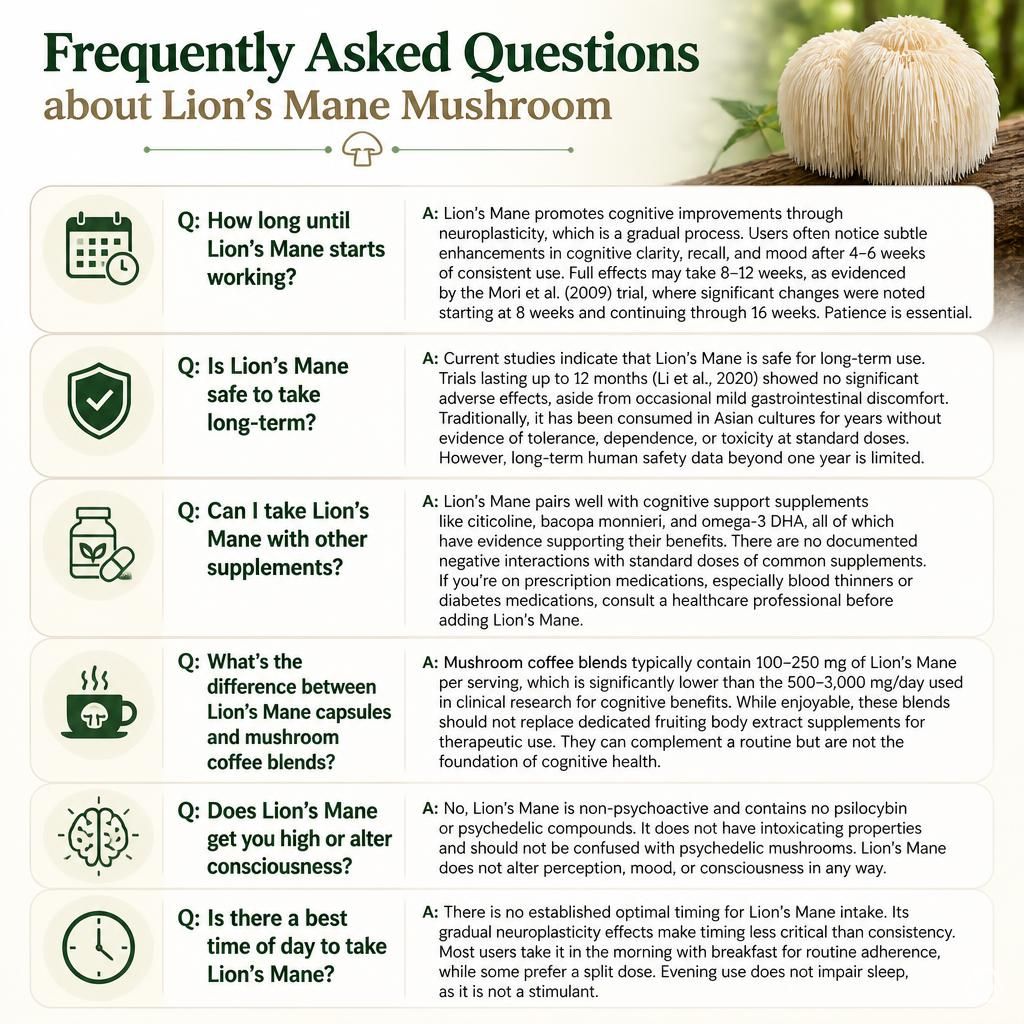
Unlike stimulants, Lion’s Mane works primarily through neuroplasticity mechanisms — the gradual growth, remodelling, and protection of neural connections. These processes are inherently slow. Most users who report positive outcomes describe noticing subtle improvements in cognitive clarity, recall, and mood after 4–6 weeks of consistent use. Allow a full 8–12 weeks before making any assessment of whether it is working for you. The Mori et al. (2009) trial — the landmark human RCT — documented significant changes beginning at 8 weeks and continuing through 16 weeks. Patience is not optional with this particular compound.
Q: Is Lion’s Mane safe to take long-term?
Current evidence supports long-term safety. Human trials have been conducted up to 12 months (Li et al., 2020) with no significant adverse effects beyond occasional mild gastrointestinal discomfort in a small minority of participants. Traditional use in Asian cultures has involved regular consumption of Lion’s Mane as a culinary mushroom over years and decades. There is no evidence of tolerance development, dependence, or cumulative toxicity at standard supplementation doses. That said, the longest formal human safety studies extend to one year — multi-year trial data does not yet exist in the published literature.
Q: Can I take Lion’s Mane with other supplements?
Lion’s Mane is commonly and reasonably paired with other evidence-based cognitive support supplements. It stacks well with citicoline (which supports acetylcholine synthesis and phospholipid production), bacopa monnieri (adaptogenic herb with strong evidence for memory consolidation), and omega-3 DHA (essential for structural brain health and neuronal membrane integrity). There are no documented negative interactions with common supplements at standard doses. If you are taking prescription medications — particularly blood thinners, immunosuppressants, or diabetes medications — consult a healthcare professional before adding Lion’s Mane to your regimen.
Q: What’s the difference between Lion’s Mane capsules and mushroom coffee blends?
“Mushroom coffee” and functional blend products have become enormously popular — and they are pleasant, enjoyable products. However, they typically contain 100–250 mg of Lion’s Mane per serving, well below the 500–3,000 mg/day used in clinical research demonstrating cognitive benefit. They should not be expected to produce the neuroprotective or cognitive outcomes documented in trials. For therapeutic use at research-supported doses, a dedicated quality fruiting body extract supplement is the appropriate format. Mushroom coffees can be a pleasant addition to a routine; they should not be the cornerstone of a cognitive health strategy.
Q: Does Lion’s Mane get you high or alter consciousness?
No. Lion’s Mane (Hericium erinaceus) is completely non-psychoactive. It contains no psilocybin, psilocin, or any other psychedelic compounds. It has no intoxicating properties whatsoever. It should not be confused with psilocybin-containing “magic mushrooms,” which are an entirely different genus and species. This is a factual point worth stating clearly because public confusion between medicinal mushrooms and psychedelic mushrooms is common and unfounded. Lion’s Mane will not produce any alteration in perception, mood, or consciousness in the way that psychedelic compounds do.
Q: Is there a best time of day to take Lion’s Mane?
No published research establishes a clear optimal timing. Because Lion’s Mane works through gradual neuroplasticity rather than acute stimulant mechanisms, timing is less critical than consistency. Most users take it in the morning with breakfast, which aids routine adherence. Some take a split dose (morning and midday). There is no evidence that evening use impairs sleep — it is not a stimulant — but consistency of daily dosing matters more than precise timing.
The Bottom Line
Lion’s Mane is one of the most genuinely interesting compounds in the natural cognitive enhancement space. Its mechanism — endogenous NGF stimulation via hericenones and erinacines — is biologically specific, scientifically well-characterised, and meaningfully distinct from the vague “antioxidant support” claims attached to most wellness supplements. The human clinical evidence, while not yet at the scale of pharmaceutical trials, is growing in quality and consistency — with the most robust signals in older adults concerned about cognitive decline, and emerging signals in younger healthy populations.
It is not magic. It will not produce overnight transformations. It will not reverse neurodegenerative disease. It requires weeks of consistent use, a quality product from a reputable source, and realistic expectations about the nature of neuroplasticity — which is, by biological necessity, a slow process.
But as part of a well-designed cognitive health strategy — built on sleep, exercise, nutrition, and stress management as the true foundation — the evidence suggests Lion’s Mane earns its place. Choose your product carefully. Fruiting body, extracted, third-party tested, beta-glucans declared on the label. Commit to 8–12 weeks. And think of it as an amplifier of an already-solid foundation, not a shortcut around one. That framing is where its potential is most likely to be realised.
👉 Next Steps
- Read: The WellnessWays Brain Clarity Foundation Protocol — build the lifestyle base first
- Read: The Complete Guide to Nootropic Stacking for Beginners — how Lion’s Mane fits into a broader stack
- Read: How to Read a Supplement Label — A Plain-English Guide — apply quality criteria before purchasing
- Read: Bacopa Monnieri — Memory, Dosage, and What the Research Actually Says — the natural pairing
- Read: How to Read a Supplement Study (Without a PhD) — evaluate future research yourself
Key References
Selected primary sources cited in this review. For the full reference list, contact the WellnessWays editorial team.
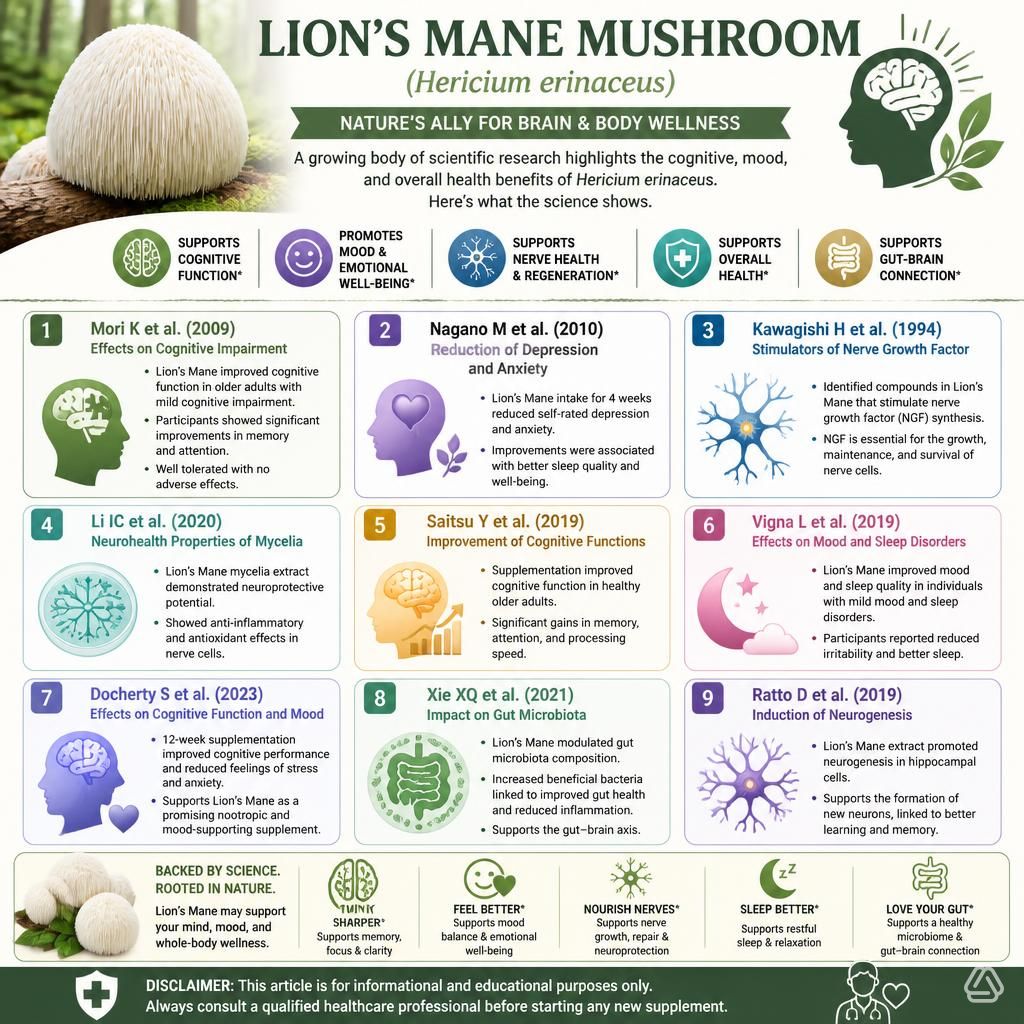
- Mori K, et al. (2009). Improving effects of the mushroom Yamabushitake (Hericium erinaceus) on mild cognitive impairment. Phytotherapy Research, 23(3), 367–372.
- Nagano M, et al. (2010). Reduction of depression and anxiety by 4 weeks Hericium erinaceus intake. Biomedical Research, 31(4), 231–237.
- Kawagishi H, et al. (1994). Hericenones C, D and E, stimulators of nerve growth factor (NGF)-synthesis, from the mushroom Hericium erinaceum. Tetrahedron Letters, 35(10), 1569–1572.
- Li IC, et al. (2020). Neurohealth properties of Hericium erinaceus mycelia enriched with erinacines. Behavioural Neurology, 2020.
- Saitsu Y, et al. (2019). Improvement of cognitive functions by oral intake of Hericium erinaceus. Biomedical Research, 40(4), 125–131.
- Vigna L, et al. (2019). Hericium erinaceus improves mood and sleep disorders in patients affected by overweight or obesity. Evidence-Based Complementary and Alternative Medicine, 2019.
- Docherty S, et al. (2023). The acute and chronic effects of Lion’s Mane mushroom supplementation on cognitive function, stress and mood in young adults. Nutrients, 15(22), 4842.
- Xie XQ, et al. (2021). Hericium erinaceus-enriched diet positively affects the gut microbiota. Frontiers in Microbiology.
- Ratto D, et al. (2019). Hericium erinaceus improves recognition memory and induces hippocampal and cerebellar neurogenesis in frail mice. Nutrients, 11(4), 715.
Medical Disclaimer: This article is for informational and educational purposes only. It is not intended to constitute medical advice, diagnosis, or treatment. The information presented reflects the published scientific literature as of the date of publication and is subject to change as new research emerges. Always consult a qualified healthcare professional before starting any new supplement, particularly if you have a medical condition, are pregnant or breastfeeding, or are taking prescription medications. WellnessWays.net does not endorse any specific product or brand. The evidence ratings used in this review represent the editorial team’s interpretation of the current evidence base and should not be considered medical endorsements.