
WellnessWays.net | Brain Health | Foundation Protocols | Last Updated: September 2026
The WellnessWays Brain Clarity Foundation Protocol: Build This Before Anything Else
True cognitive clarity begins not in a supplement bottle — but in the five foundational habits that govern your brain’s daily function.
Here’s something the nootropics industry doesn’t want you to sit with for too long: most people who spend money on brain supplements are doing it completely backwards.
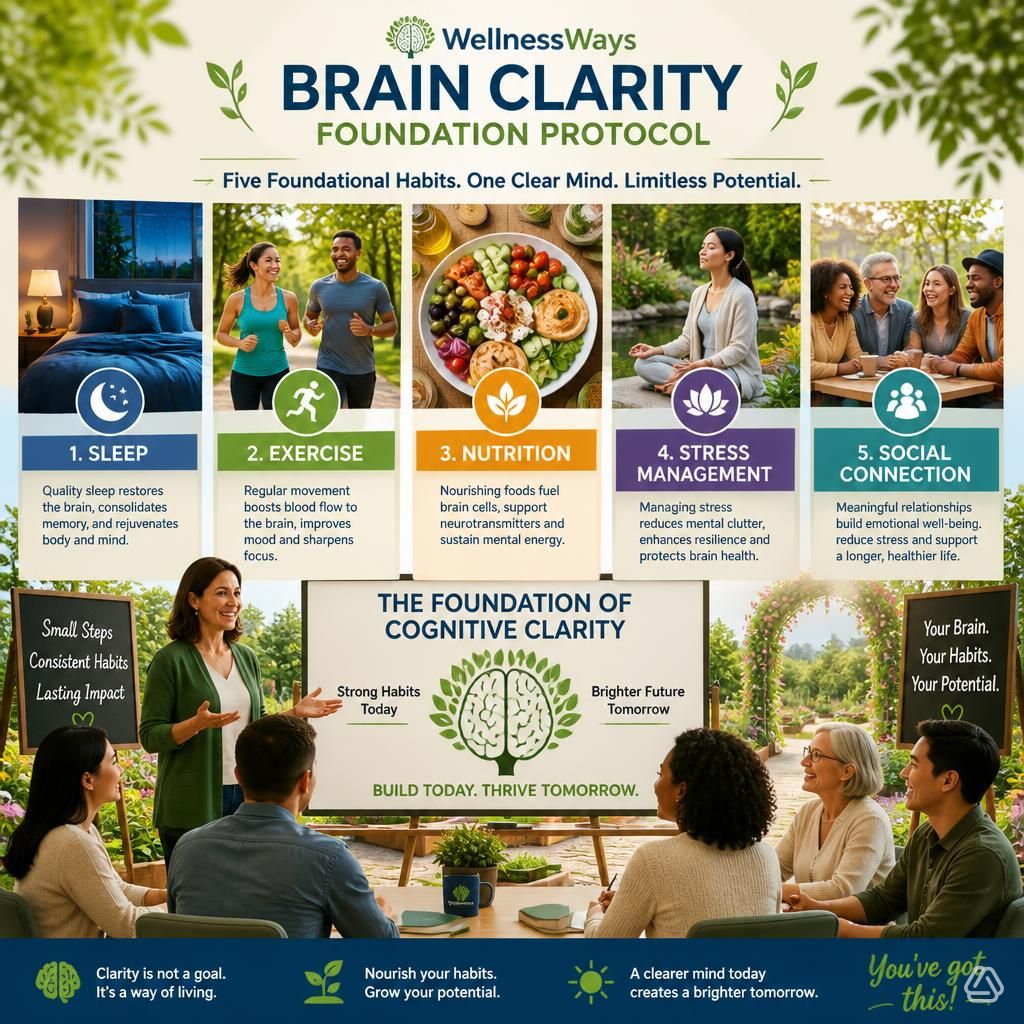
They’re stacking ashwagandha on top of chronic sleep deprivation, dropping lion’s mane into a lifestyle that includes daily ultra-processed meals and zero movement, and wondering why they still feel foggy, slow, and mentally spent by 2pm.
The supplements aren’t the problem. The sequence is.
Think of it this way. Imagine a master gardener trying to grow a prize-winning crop — but instead of preparing the soil first, they pour expensive fertilizer directly onto concrete. The fertilizer is real. It works. But without the right foundation beneath it, virtually none of it can be absorbed. Your brain is exactly the same. The most potent nootropics on the market produce a fraction of their potential benefit when the foundational conditions of cognitive health aren’t already in place. Sleep, movement, food, stress management, and human connection aren’t just “good lifestyle habits.” They are your cognitive function. Everything else is amplification.
This is the WellnessWays Brain Clarity Foundation Protocol — the cornerstone piece we reference across this entire site, because without it, nothing else we recommend will reach its full potential. Read this first. Build this first. Then layer everything on top.
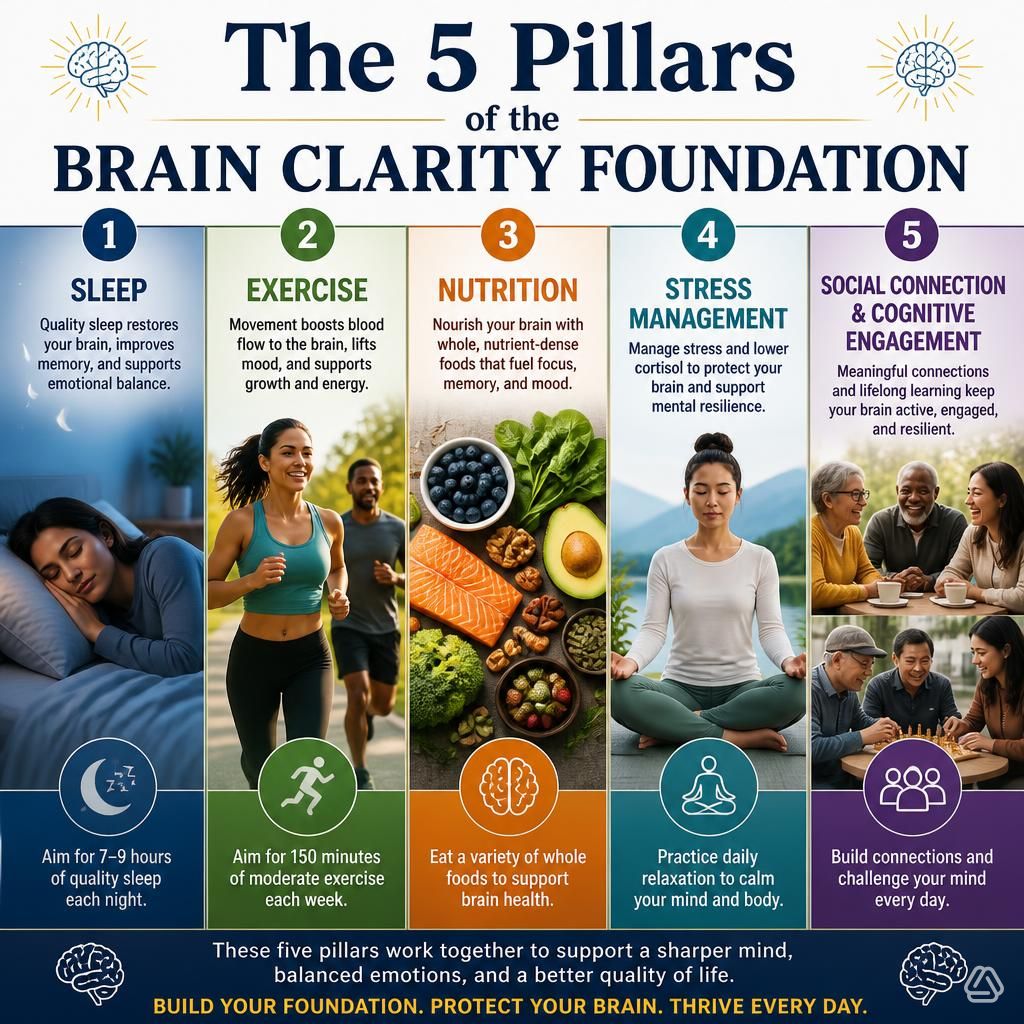
■ Key Takeaways — The 5 Pillars of Brain Clarity
- Sleep: Your brain physically cleans itself during deep sleep. 7–9 hours, consistent timing, non-negotiable.
- Exercise: Aerobic movement is the single most powerful stimulator of BDNF — the brain’s growth hormone. 3–5x per week, 20–30 minutes minimum.
- Nutrition: Neuroinflammation is the #1 driver of brain fog. The Mediterranean and MIND diets have the strongest cognitive evidence. Eat accordingly.
- Stress Management: Chronic cortisol literally shrinks the hippocampus — your memory center. This is the most underestimated cognitive threat most adults face.
- Social Connection & Mental Engagement: Isolation accelerates cognitive decline. Deep relationships and new learning protect the brain for decades.

Why Foundation Comes First — The Amplifier Principle
There’s a tempting narrative in the wellness space that cognitive enhancement is primarily a chemistry problem — that if you just find the right compound at the right dose, your brain will fire at full capacity. This is wrong, and the research is overwhelming on the subject. Lifestyle interventions — sleep, exercise, nutrition, stress reduction, and social engagement — produce cognitive improvements that outperform nearly every available supplement, often by a wide margin.
This isn’t anti-supplement. This is pro-sequence. Nootropics are amplifiers. That word matters. An amplifier takes an existing signal and makes it stronger. It does not create a signal where none exists. When your foundational pillars are crumbling — when you’re sleeping six hours on an irregular schedule, eating refined carbohydrates at most meals, and running on chronic low-grade stress — the “signal” your brain is generating is weak, distorted, and overwhelmed with noise. No amplifier in the world makes a bad signal good. It just makes it louder.
Conversely, when your foundation is genuinely solid — when you’re sleeping well, moving regularly, eating for your brain, and managing stress — the underlying cognitive signal is already strong and clear. That’s when supplements and targeted interventions can produce the 80–100% of their potential benefit that most people never access. Without the foundation in place, you’re realistically extracting perhaps 10–15% of what they could offer. This isn’t speculation — it’s basic physiology. Build the foundation first. Always.
The 5 Pillars of the Brain Clarity Foundation
Pillar 1 — Sleep: The Non-Negotiable
Of all five pillars, sleep is the one that cannot be compensated for, negotiated around, or hacked into submission. It is the most fundamental, the most impactful, and — for most busy adults — the most chronically undervalued cognitive tool available. No supplement, no biohack, no dietary intervention counteracts the cognitive cost of inadequate sleep. Not even close.
Here’s why sleep is so profoundly non-negotiable: in 2013, neuroscientist Maiken Nedergaard and her team at the University of Rochester published a landmark discovery in the journal Science. They identified what is now called the glymphatic system — a brain-specific waste-clearance network that essentially only operates at meaningful capacity during sleep. During deep sleep, the interstitial space between brain cells expands by roughly 60%, allowing cerebrospinal fluid to flush through the brain tissue and physically remove toxic metabolic byproducts — including amyloid beta, one of the primary proteins implicated in Alzheimer’s disease. The research showed that amyloid beta is cleared twice as fast during sleep as during wakefulness. Think about what that means: every night you shortchange your sleep, you’re leaving more toxic waste sitting in your brain the following day. That’s not a metaphor. That’s biochemistry.
Beyond waste clearance, sleep is when memory consolidation happens. The hippocampus — your brain’s memory relay station — transfers the day’s experiences into long-term storage during REM sleep. Chronic sleep deprivation doesn’t just make you feel foggy; it structurally impairs memory encoding, executive function, processing speed, and emotional regulation. The effects compound over time in ways that are far more serious than most people realize.
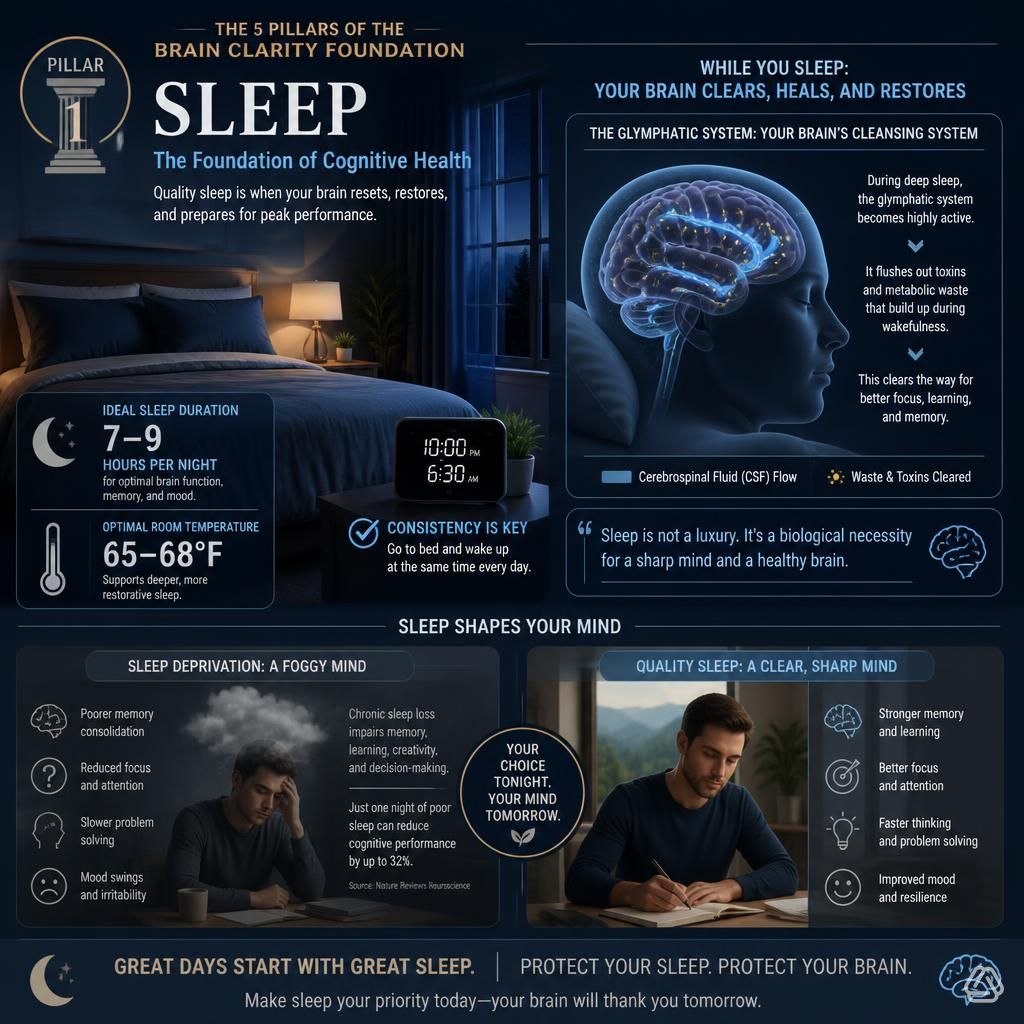
Practical targets:
- 7–9 hours per night for adults (this range is not flexible — both ends matter)
- Consistent sleep and wake times, including weekends — your circadian rhythm does not take days off
- A dark, cool sleeping environment (65–68°F / 18–20°C is optimal for deep sleep)
- Eliminate screens for at least 30–60 minutes before bed — blue light suppresses melatonin production
🔗 Go deeper:Sleep Optimization — The Science of a Brain-Restoring Night
Pillar 2 — Exercise: Your Brain’s Growth Hormone Factory
If you could bottle the cognitive effects of regular aerobic exercise and sell them as a supplement, it would be the bestselling nootropic in history. The evidence is that clear, and that strong. Exercise is the most powerful known stimulator of BDNF — Brain-Derived Neurotrophic Factor — a protein that functions like fertilizer for neurons. BDNF promotes the growth of new brain cells, strengthens existing neural connections, and enhances synaptic plasticity — the brain’s ability to rewire itself in response to learning and experience.
Harvard psychiatrist Dr. John Ratey, author of the seminal book Spark: The Revolutionary New Science of Exercise and the Brain, describes BDNF as “Miracle-Gro for the brain” — a phrase that captures the science accurately without overstating it. What’s particularly remarkable is where this neurogenesis happens: primarily in the hippocampus, the region most critical for learning, memory, and spatial navigation — and the region most vulnerable to age-related cognitive decline and Alzheimer’s damage.
Regular aerobic exercise doesn’t just slow cognitive decline — it actively reverses aspects of it. Research has shown that consistent aerobic exercise increases hippocampal volume in adults, effectively growing the part of the brain most responsible for memory. These are not subtle effects. They are measurable on brain scans in as little as 6–12 months of consistent training.
And before you think this requires a serious athletic commitment: it doesn’t. Even brisk walking 3–5 times per week for 20–30 minutes produces measurable, meaningful cognitive benefits. The dose required to move the needle on BDNF, hippocampal volume, and cognitive performance is genuinely achievable for most adults. Start there.
Practical targets:
- Aerobic exercise 3–5 times per week, minimum 20–30 minutes per session
- Brisk walking counts — especially outdoors, which adds the bonus of nature exposure and stress reduction
- Zone 2 cardio (conversational pace) appears optimal for BDNF stimulation
- Resistance training 2x per week offers complementary cognitive benefits (executive function, processing speed)
🔗 Go deeper:Exercise and the Brain — The Cognitive Case for Moving Your Body
Pillar 3 — Nutrition: You Are What Your Brain Eats
The brain makes up roughly 2% of body weight but consumes approximately 20% of your daily energy. It is the most metabolically demanding organ in the body — and it is exquisitely sensitive to the quality of fuel you provide it. The primary mechanism through which poor diet damages cognition is neuroinflammation — chronic, low-grade inflammation within the brain that disrupts neural signaling, impairs synaptic function, and is increasingly understood as a primary driver of both acute brain fog and long-term cognitive decline.
The research on dietary patterns and cognitive health is strongest for two eating frameworks: the Mediterranean diet and the MIND diet (Mediterranean-DASH Intervention for Neurodegenerative Delay). Multiple large-scale studies have associated adherence to these patterns with significantly slower cognitive decline, lower risk of Alzheimer’s disease, and better performance across memory, attention, and executive function measures.
A few nutrients deserve specific attention. DHA (docosahexaenoic acid), an omega-3 fatty acid found abundantly in fatty fish, is structurally critical for brain function — approximately 60% of the brain’s dry weight is fat, with DHA being the dominant structural fat in neural membranes. Without adequate DHA, the physical architecture of neurons is compromised. Equally important is blood sugar stability — dramatic glucose spikes and crashes produce immediate, measurable cognitive impairment. The afternoon mental fog that so many people experience is often simply blood sugar instability, not a productivity problem.
Brain-supporting foods to prioritize:
- Fatty fish (salmon, sardines, mackerel) — richest dietary source of DHA
- Blueberries — among the highest antioxidant density of any food; research shows direct benefits to memory and learning
- Leafy greens (spinach, kale, collards) — folate, vitamin K, and lutein for neuroprotection
- Walnuts — plant-based omega-3s plus polyphenols with anti-neuroinflammatory properties
- Extra-virgin olive oil — oleocanthal has documented anti-neuroinflammatory properties similar to ibuprofen
Foods to significantly minimize:
- Ultra-processed foods (associated with accelerated cognitive decline in multiple longitudinal studies)
- Refined sugars (spike and crash cycle directly impairs working memory and attention)
- Trans fats and industrial seed oils (pro-inflammatory at the neural level)
🔗 Go deeper:The Anti-Neuroinflammation Diet — What to Eat for a Sharper Brain
Pillar 4 — Stress Management: The Cortisol Problem
This section is the one we most urgently need you to take seriously. Chronic psychological stress is the single most underestimated cognitive threat facing adults today — more common than sleep deprivation, more insidious than poor diet, and more structurally damaging than most people realize.
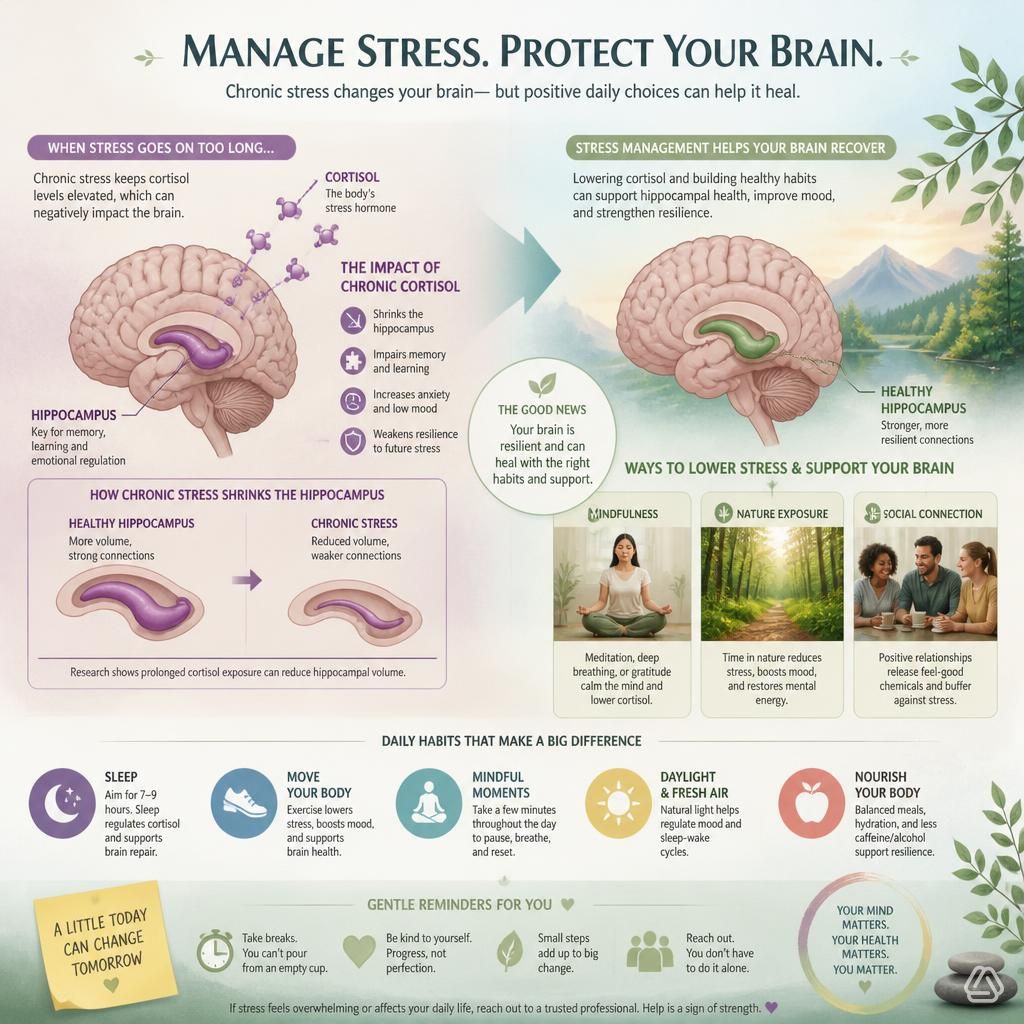
When you experience stress, your adrenal glands release cortisol — a steroid hormone that is genuinely useful in short, acute bursts. Cortisol sharpens focus, mobilizes energy, and prepares your body for action. The problem is what happens when cortisol never fully comes down. Pioneering research by Dr. Bruce McEwen at Rockefeller University demonstrated that chronic cortisol elevation causes measurable, structural damage to the hippocampus — the brain’s memory center. Specifically, sustained high cortisol causes hippocampal neurons to retract their dendritic branches, shrinks hippocampal volume over time, and suppresses the very neurogenesis that exercise is working to stimulate.
Let that sink in: chronic stress can literally shrink your brain’s memory center. This is not hyperbole. It’s documented on brain scans. The HPA axis — the hypothalamic-pituitary-adrenal stress response system — when chronically dysregulated, dysregulates virtually everything else: sleep quality, immune function, gut health, metabolic stability, and neurotransmitter balance. All of which feed back into cognitive function. Chronic stress doesn’t just make you feel scattered. It systematically degrades the biological infrastructure of your thinking.
The good news is that the hippocampus shows remarkable neuroplasticity — it can recover. And the tools that most effectively lower cortisol and restore HPA axis balance are the same ones already covered in this protocol: consistent sleep, regular exercise, and the following additions:
- Mindfulness and meditation: A landmark study by Sara Lazar and colleagues at Harvard Medical School found that even modest daily meditation practice — as little as 10 minutes per day over 8 weeks — produces measurable structural changes in the brain, including increased cortical thickness in regions associated with attention and interoception, and reduced amygdala reactivity to stress.
- Nature exposure: Research consistently shows that time in natural environments reduces cortisol, lowers resting heart rate, and decreases amygdala activation — effects that accumulate with regular practice.
- Social connection (covered in Pillar 5): One of the most potent and underutilized cortisol-regulating tools available.
- Identifying and reducing your primary chronic stressor — often a relationship dynamic, workload structure, or financial pattern — may be the highest-leverage stress management intervention of all.
⚠ Important Note on Chronic Stress
If you are consistently averaging high stress scores — feeling overwhelmed most days, experiencing persistent sleep disruption, anxiety, or emotional exhaustion — the cognitive impact is cumulative and compounding. This is not something to manage around indefinitely. Treat reducing chronic stress with the same urgency you’d apply to any other documented health risk. It is one.
Pillar 5 — Social Connection and Cognitive Engagement
Of all five pillars, this one is perhaps the most unexpected — and the most robustly supported by the longest-running evidence available. Social isolation is a clinically documented risk factor for accelerated cognitive decline, comparable in magnitude to physical inactivity. Research from the Alzheimer’s Association consistently identifies social engagement as a protective factor against dementia, and the mechanisms are increasingly well understood: social interaction demands complex cognitive processing (theory of mind, language, emotional attunement, memory retrieval) that creates rich, redundant neural pathways — a phenomenon called cognitive reserve.
The most striking evidence comes from the Harvard Study of Adult Development — the longest-running longitudinal study of adult life ever conducted, tracking participants for over 85 years. Its lead researcher, Dr. Robert Waldinger, summarizes the central finding clearly: the quality of our relationships is the strongest predictor of healthy aging — cognitively, physically, and emotionally. Not wealth. Not IQ. Not diet. Relationships.
Alongside social connection, deliberate cognitive engagement plays a protective role through neuroplasticity. Learning genuinely new skills — not just doing familiar things on autopilot — forces the brain to form new neural connections and strengthen existing ones. This is the biological mechanism behind the concept of cognitive reserve: a richer, more densely connected neural network is more resilient to age-related changes and more capable of compensating when some regions are compromised.
Practical approaches:
- Prioritize at least 2–3 meaningful social interactions per week — not scrolling through others’ lives, but genuine connection
- Learn a new skill that genuinely challenges you: a language, an instrument, a craft, a sport
- Engage in mentally demanding activities that require active problem-solving (reading demanding nonfiction, strategic games, creative work)
- If you are in a period of isolation, treat reconnection as a health priority — not a luxury
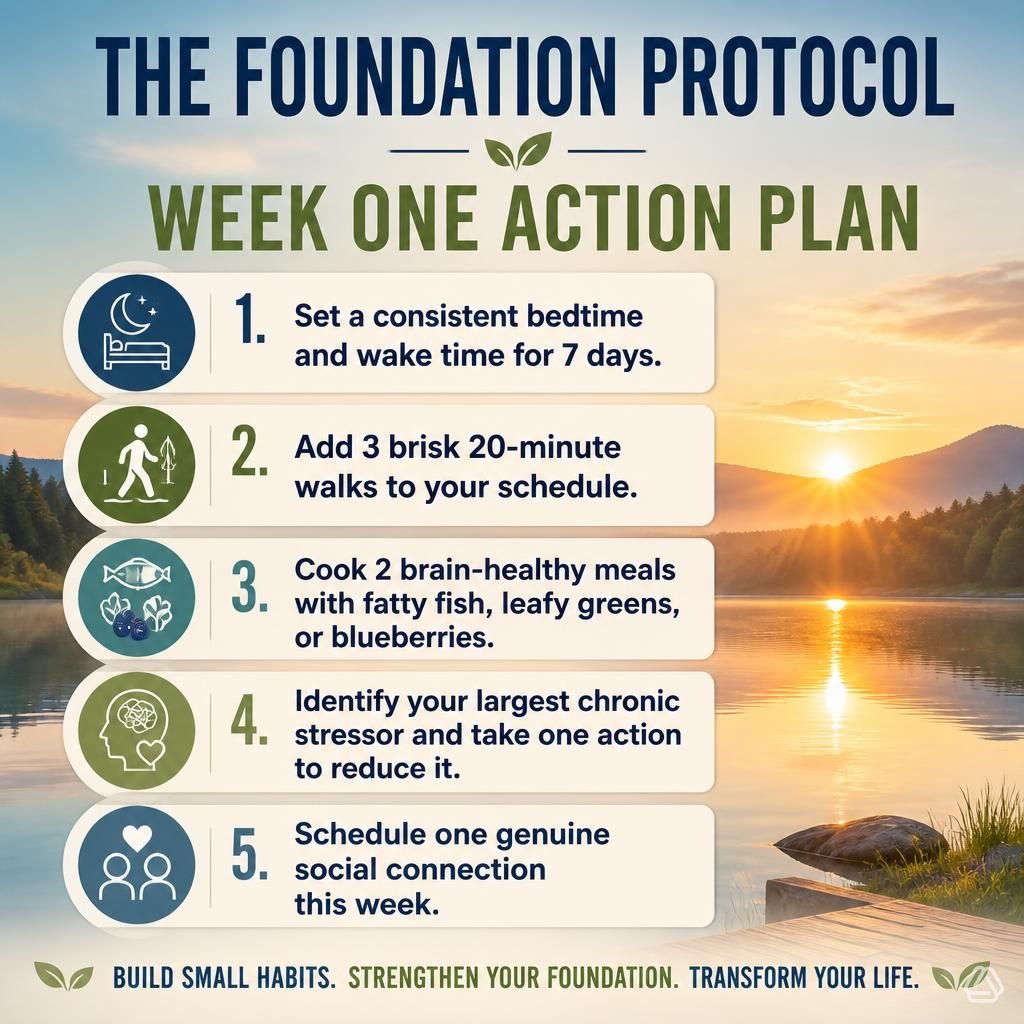
The Foundation Protocol — What To Actually Do This Week
Reading about the five pillars is not the protocol. Doing is the protocol. Here is your Week One action plan — five specific, achievable actions that begin moving each pillar in the right direction immediately. Don’t try to perfect all five simultaneously. Just begin.
▶ Tonight: Set a consistent bedtime and wake time for the next 7 days — and keep it, including the weekend. Even a single week of schedule consistency meaningfully improves sleep architecture and morning cognitive performance.
▶ This week: Add 3 brisk 20-minute walks to your schedule. Put them in your calendar as non-negotiable appointments. Outside is better than inside. Morning is better than evening (for circadian rhythm and BDNF expression). But done beats perfect — any time of day counts.
▶ This week: Cook 2 brain-healthy meals featuring at least one of the following: fatty fish (salmon, sardines, mackerel), leafy greens, or blueberries. You don’t need a complete dietary overhaul in Week One. You need two good meals that prove to your brain — and your habits — that you’re making the shift.
▶ This week: Identify your single largest chronic stressor. Not all your stressors — just the biggest one. Then identify one concrete action that would reduce it by even 20%. A conversation you’ve been avoiding. A boundary you haven’t set. A commitment you need to renegotiate. Take that one action this week.
▶ This week: Schedule one genuine social connection — a phone call with someone you haven’t spoken to in a while, dinner with family, coffee with a friend. Put it on the calendar before you close this page. Intention without scheduling is wishful thinking.
That’s Week One. It is not overwhelming. It is not complicated. It is not a dramatic overhaul. It is five small pivots that, sustained consistently over 8–12 weeks, will produce cognitive improvements that no supplement stack can replicate.
| Pillar | Core Mechanism | Week 1 Target | Timeline to Notice Effect |
|---|---|---|---|
| Sleep | Glymphatic waste clearance; memory consolidation | Consistent 7–9 hrs, fixed schedule | 3–7 days |
| Exercise | BDNF production; hippocampal neurogenesis | 3 x 20-min brisk walks | 1–2 weeks |
| Nutrition | Reduce neuroinflammation; DHA supply; blood sugar stability | 2 brain-healthy meals with fatty fish or berries | 2–4 weeks |
| Stress Management | Cortisol reduction; HPA axis regulation; hippocampal protection | Identify #1 stressor; reduce by 20% | 2–6 weeks |
| Social / Cognitive Engagement | Cognitive reserve; neuroplasticity; cortisol buffering | 1 genuine social connection scheduled | Cumulative (weeks to months) |
When To Add Nootropics and Supplements
Here’s the honest answer: when at least 3 of the 5 pillars have been consistently in place for a minimum of 4 weeks. Not perfectly — consistently. You don’t need to have mastered all five before adding targeted supplementation. But you do need a foundation solid enough that there’s a real signal for supplements to amplify.
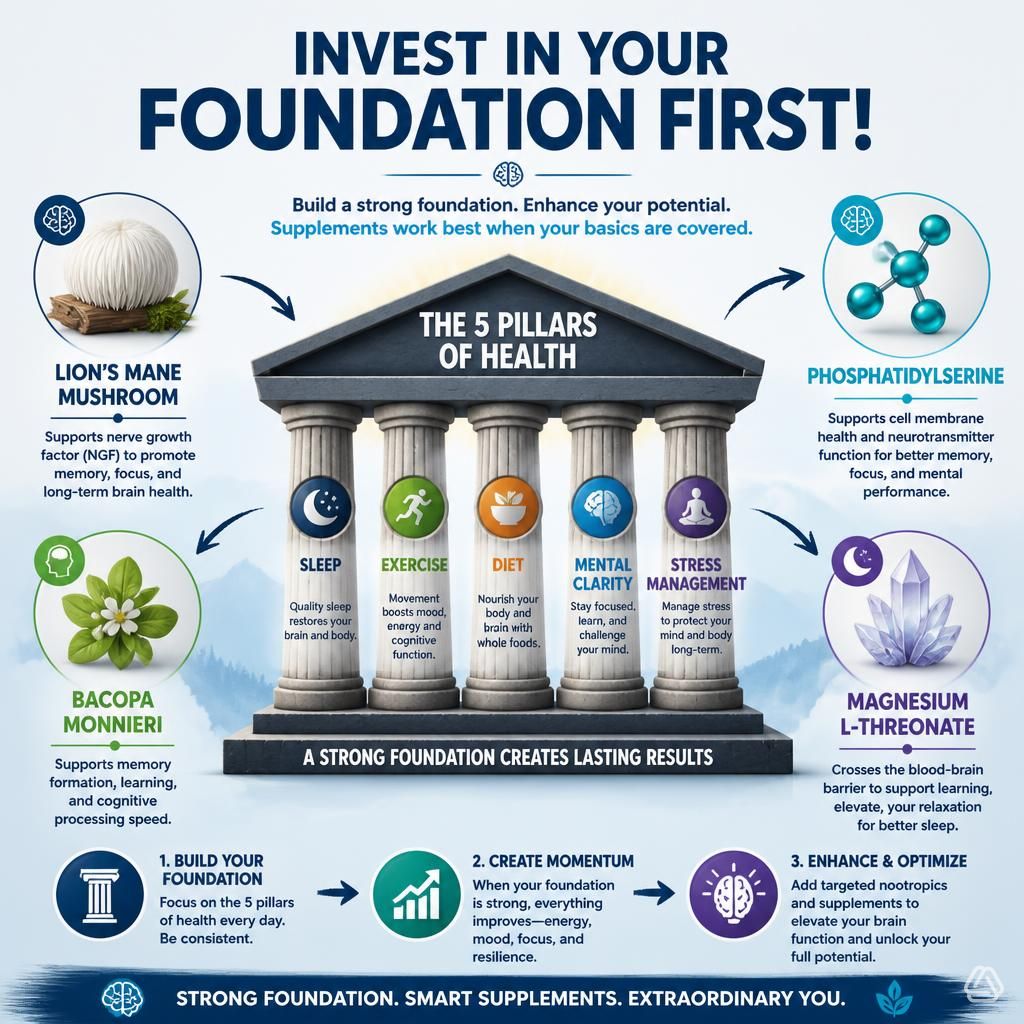
This isn’t an argument against nootropics. Many of them are genuinely well-researched and meaningfully effective. Lion’s mane mushroom and its nerve growth factor stimulation. Bacopa monnieri and its effects on memory consolidation. Phosphatidylserine and its role in maintaining neuronal membrane integrity. Magnesium L-threonate and its capacity to cross the blood-brain barrier. These are real compounds with real mechanisms and real evidence behind them. But they are amplifiers. And an amplifier requires a signal worth amplifying.
Investing in a thoughtfully designed nootropic stack before your sleep is consistent, before you’re moving regularly, and before your diet is providing the raw materials your brain needs to function — is, to use our opening metaphor, fertilizing concrete. The investment is real. The return is fractional.
Get your foundation in place first. Then explore supplementation as the next intelligent layer of your cognitive optimization strategy. When the foundation is solid, the same supplements that produced minimal results before will produce genuinely noticeable effects — because now there’s a well-functioning brain ready to receive them.
🔗 Ready to explore the next layer?The Complete Guide to Nootropic Stacking for Beginners
🔗 Also see:The 5 Daily Vitality Habits That Actually Change Your Brain
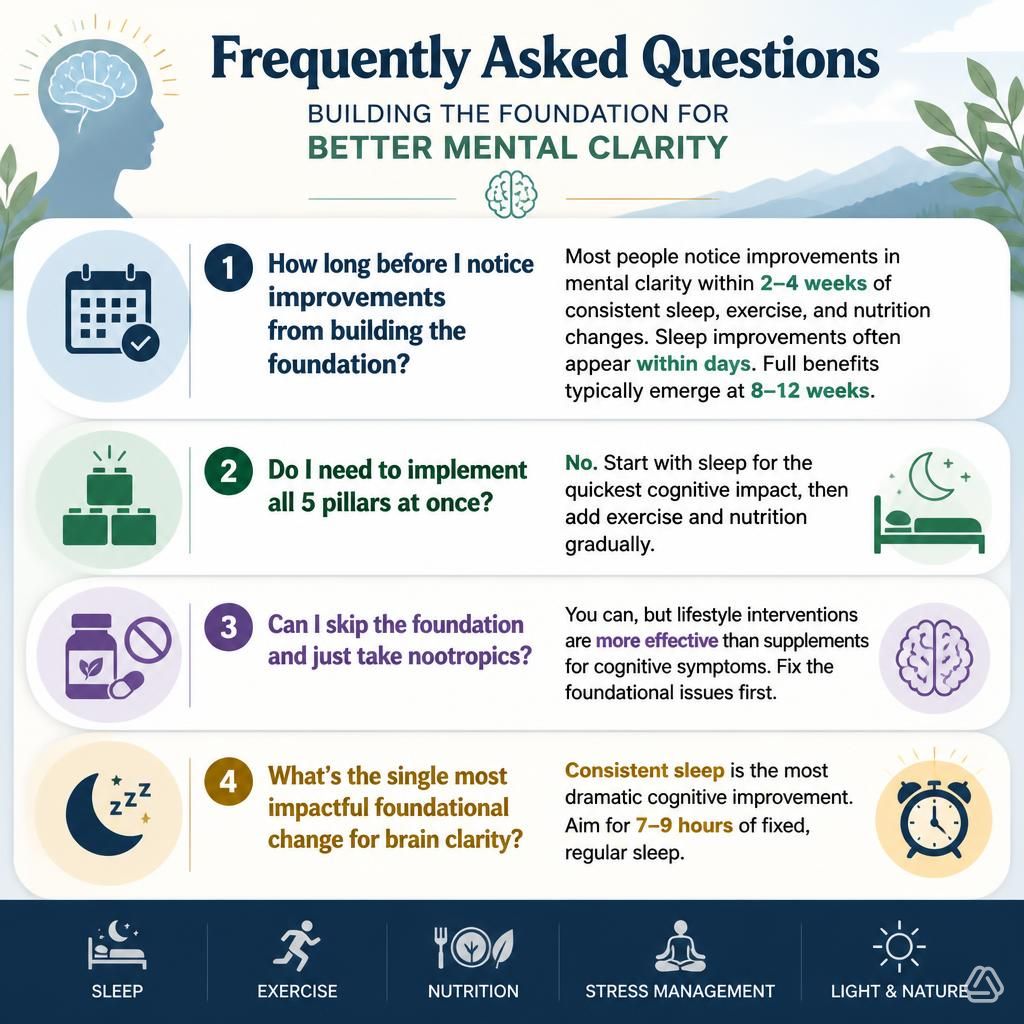
Frequently Asked Questions
Note for WordPress admin: Apply FAQPage Schema markup to this section.
Q: How long before I notice improvements from building the foundation?
A: Most people report noticeable improvements in mental clarity within 2–4 weeks of consistent sleep, exercise, and nutritional changes. Sleep improvements often show up within days — many people notice sharper morning cognition after just one week of a consistent schedule. Full foundational benefits — deeper memory improvements, more sustained focus, better emotional regulation — typically emerge at 8–12 weeks of consistent practice. The science here is unambiguous: these changes require time to build, but they are durable in a way that most supplements are not.
Q: Do I need to implement all 5 pillars at once?
A: No — and trying to change everything at once often leads to failure and abandonment. Start with sleep. It has the fastest and most dramatic cognitive impact of any single intervention, and improving sleep often creates the energy, motivation, and cognitive capacity to add the other pillars more easily. From there, add exercise, then nutrition. Stress management and social connection can be worked on simultaneously in small, manageable increments. Sequential implementation beats ambitious simultaneous overhaul almost every time.
Q: Can I skip the foundation and just take nootropics?
A: You can — but the research is clear that lifestyle interventions produce cognitive improvements that dwarf most supplements, particularly for the kinds of symptoms (brain fog, poor focus, mental fatigue) that most people are trying to address. Nootropics work as amplifiers — adding them before the foundation is built is like putting premium fuel in a broken engine. The fuel is fine. The engine is the problem. Fix the engine first, then enjoy what premium fuel can actually do.
Q: What’s the single most impactful foundational change for brain clarity?
A: Sleep, consistently. No other single intervention produces as immediate or dramatic a cognitive improvement as going from poor sleep (6 hours or less, irregular schedule) to adequate, consistent sleep (7–9 hours, fixed schedule). The glymphatic system, memory consolidation, hormonal regulation, emotional processing — nearly every cognitive function you care about is directly and significantly improved by fixing sleep first. If you only do one thing after reading this article, make it sleep.
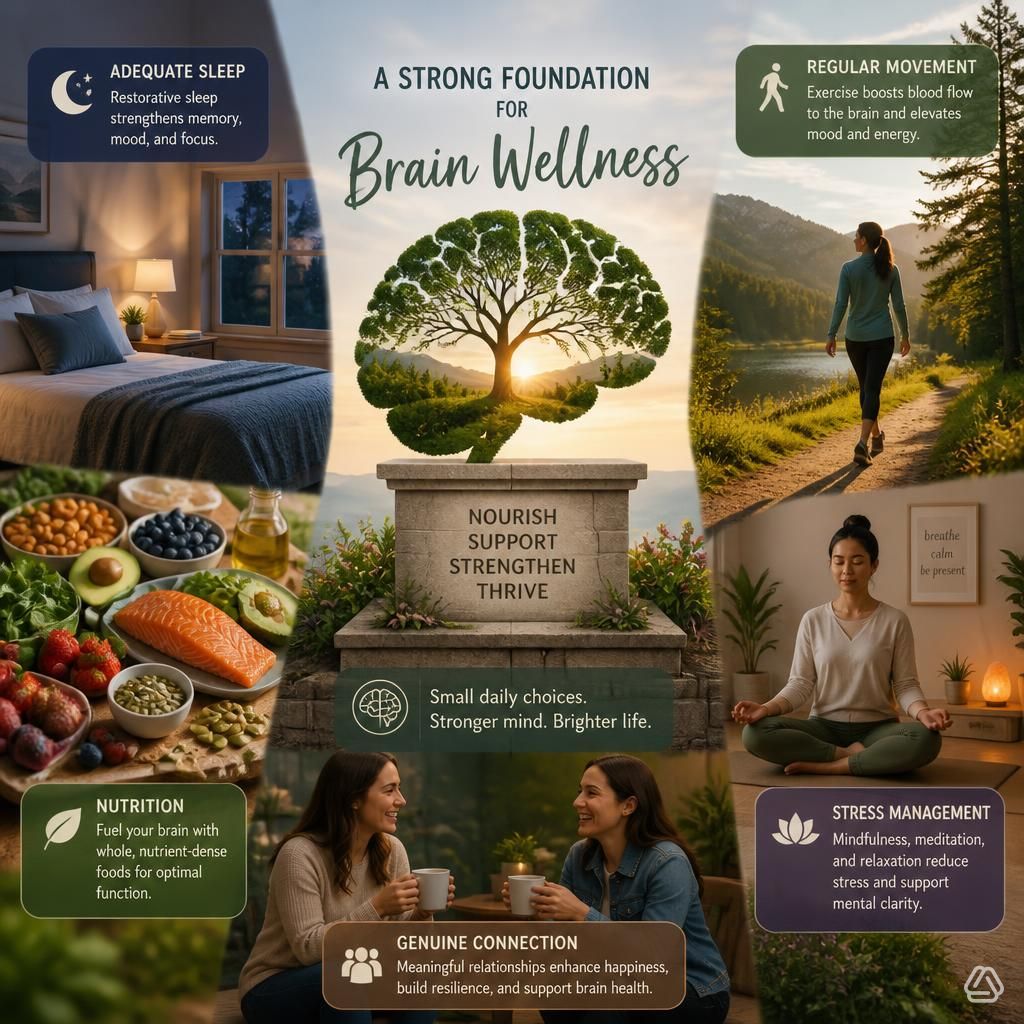
Build the Foundation. Everything Else Follows.
The WellnessWays Brain Clarity Foundation Protocol is not complicated. It is not glamorous. It will not give you a dramatic before-and-after story in 72 hours. What it will do — consistently, reliably, and with decades of robust research behind it — is give your brain the conditions it needs to function the way it was designed to function.
Every high-performing brain on the planet, regardless of what supplements or protocols sit on top, is built on this same unsexy, unglamorous bedrock: adequate sleep, regular movement, real food, managed stress, and genuine human connection. These aren’t preliminary steps you check off on the way to the “real” optimization. These are the real optimization. Everything else is refinement.
Start tonight. Set your bedtime. Take your walk tomorrow. Call someone you’ve been meaning to call. The fancy stuff comes later. Build the foundation first — and watch what your brain becomes when it finally has what it needs.
— The WellnessWays Editorial Team | Evidence-based wellness for real life | Browse all Brain Clarity articles