
How to Protect Brain Health Long Term – Daily Vitality Habits for Long-Term Brain Health: What You Do Today Shapes Your Mind Tomorrow
Daily Vitality Habits That Protect Your Brain Long-Term
Cognitive decline doesn’t begin at 70. Research now shows measurable structural brain changes begin as early as the mid-30s — in people who don’t actively invest in neuroprotection. The good news: the brain has remarkable plasticity throughout life, and the habits you build NOW — even starting in your 40s or 50s — produce measurable improvements in cognitive trajectory.
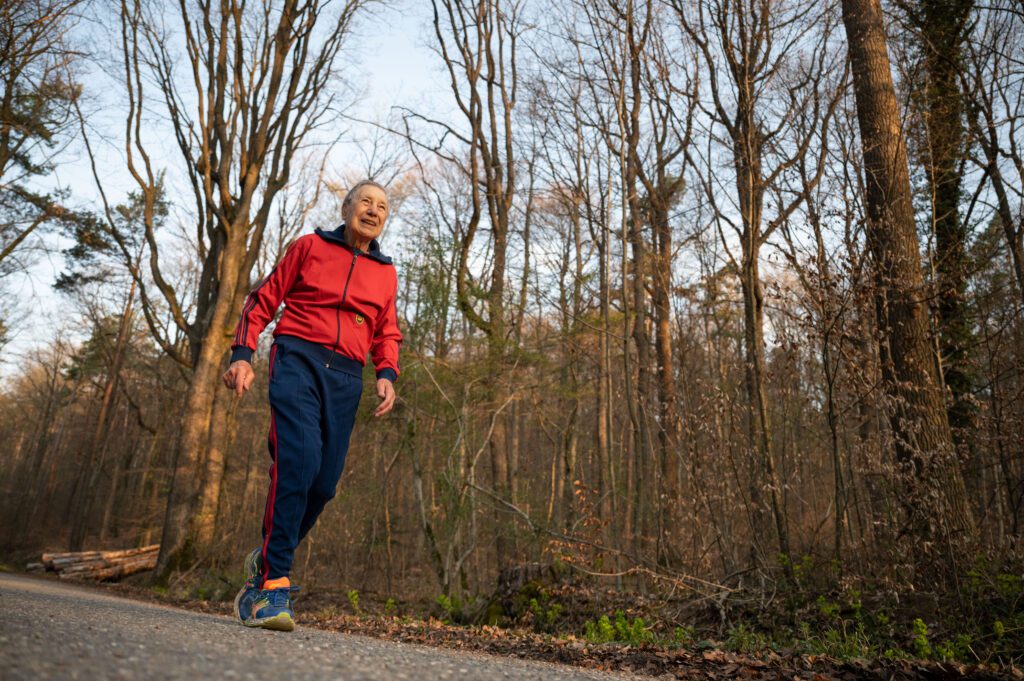
This is not about avoiding Alzheimer’s (though that matters too). It’s about ensuring your brain at 70 is sharper than most people’s at 50.
If you’re between 35 and 65 and reading this, you are in the single most consequential window of your life for shaping how your brain ages. The decisions being made in these decades — what you eat, how you sleep, whether you move, how you manage stress — are quietly writing the story of your cognitive future right now. The science on this has never been clearer or more actionable.
This post lays out the eight habits with the strongest, most consistent evidence for long-term neuroprotection and cognitive resilience. Not quick fixes. Not trending supplements. The real architecture of a brain that stays sharp for decades.
🧠 Cognitive Reserve: The Brain’s Buffer Against Decline
Cognitive reserve is the brain’s resilience against damage — the accumulated network of neural connections, learned skills, and healthy brain tissue that allows the brain to function well even as natural aging and wear occurs. Think of it as a savings account your brain draws on when times get hard. The habits in this post directly build cognitive reserve. The earlier you start, the larger the buffer. But even building it in your 50s and 60s produces measurable, documented benefit.
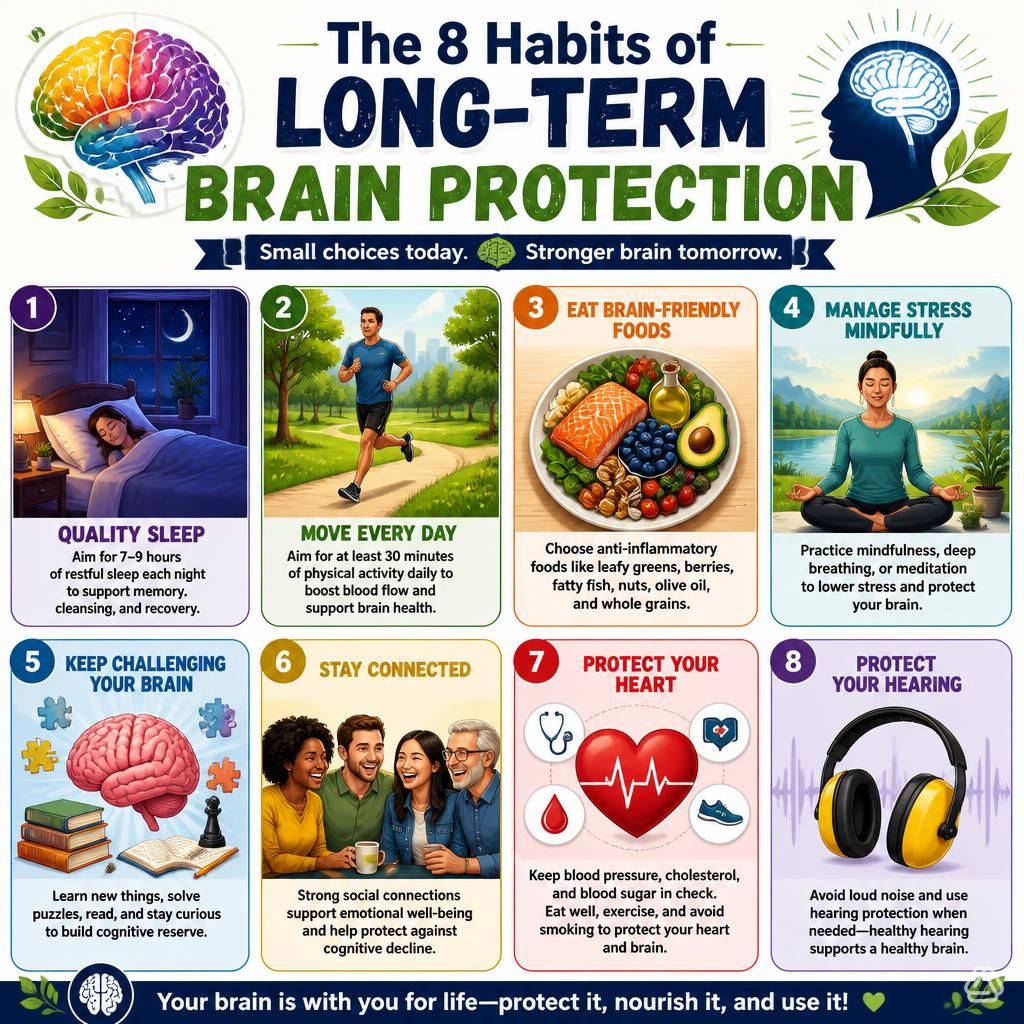
The 8 Habits of Long-Term Brain Protection
Habit 1 — Protect Your Sleep Every Single Night
Of all the habits in this post, sleep may be the one most people chronically undervalue — and the one with the highest long-term neurological cost if neglected. While you sleep, your brain activates the glymphatic system — a waste-clearance network that flushes out metabolic byproducts, including amyloid beta, the protein that accumulates over years into the plaques characteristic of Alzheimer’s disease.
The critical insight here is not that poor sleep makes you groggy tomorrow. It’s that chronic poor sleep accelerates the accumulation of neurotoxic waste products over years and decades. The Alzheimer’s Association cites chronic sleep deprivation as one of the most significant modifiable risk factors for dementia — and it’s one that most people in midlife are actively worsening through irregular schedules, screen exposure, and stress.
Target 7–9 hours of consistent, quality sleep per night. Consistency of sleep timing (going to bed and waking at the same time) matters as much as duration — circadian rhythm disruption independently impairs glymphatic function.
🔗 Related: Sleep Optimization — The Science of a Brain-Restoring Night
Habit 2 — Move Your Body Daily (Especially Aerobically)
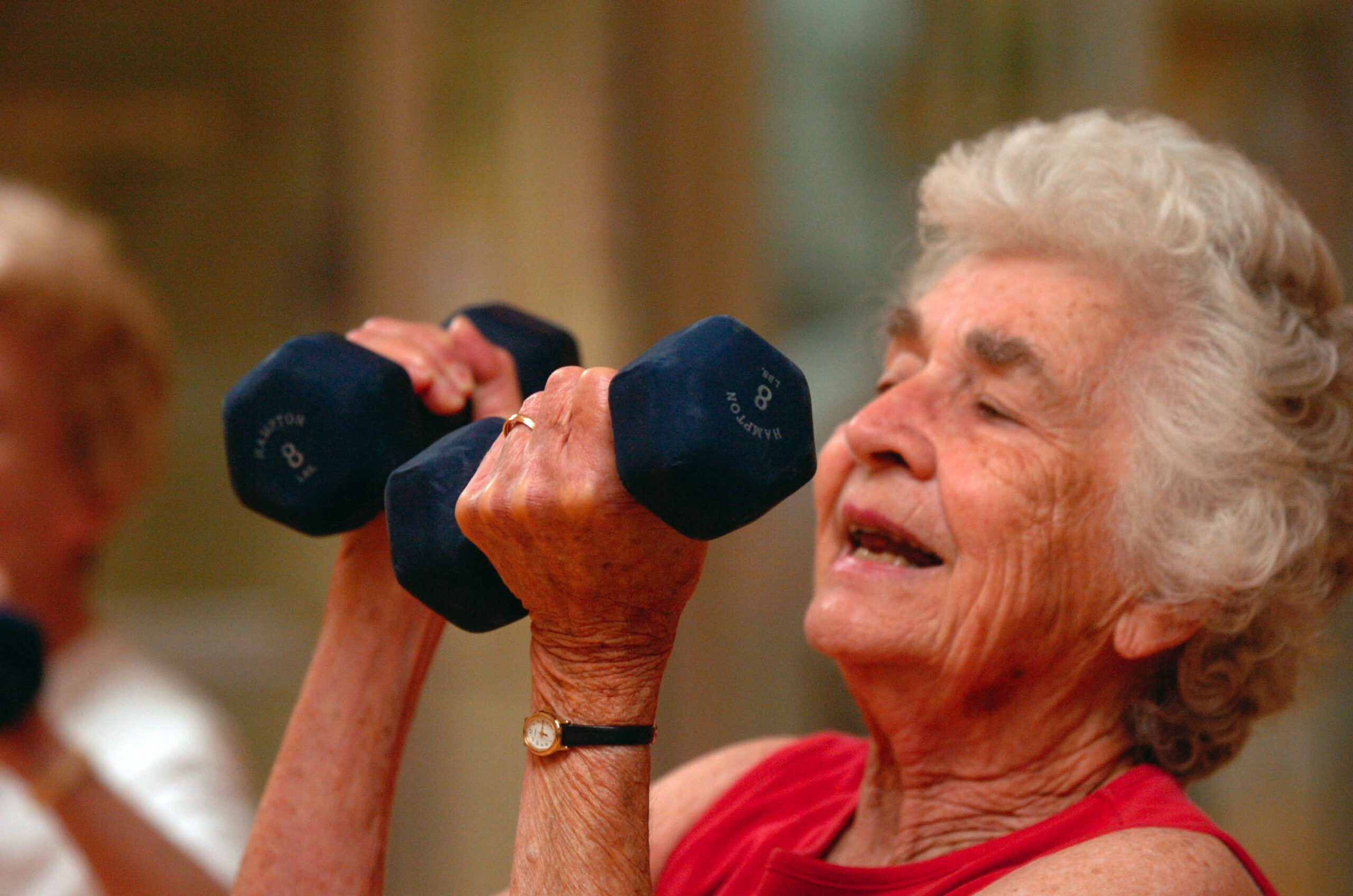
If there is a single habit with the most robust, replicated, cross-disciplinary evidence for long-term neuroprotection, it is regular aerobic exercise. The mechanisms are numerous and powerful.
Aerobic exercise triggers the release of Brain-Derived Neurotrophic Factor (BDNF) — sometimes called “Miracle-Gro for the brain.” BDNF directly stimulates neurogenesis (the growth of new neurons) in the hippocampus, the brain’s memory and learning centre. In sedentary adults, hippocampal volume declines at approximately 1–2% per year — a measurable contributor to age-related memory decline. In a landmark study published in PNAS in 2011, Erickson et al. demonstrated that aerobic exercise increased hippocampal volume by 2% per year in older adults — effectively reversing more than a year of age-related brain shrinkage.
Exercise also dramatically reduces the risk of vascular cognitive impairment by improving cardiovascular health, blood flow to the brain, and endothelial function. It reduces systemic inflammation — a primary driver of neurodegeneration. And it directly lowers cortisol levels, protecting the hippocampus from chronic stress damage (more on this in Habit 4).
Target: 150 minutes of moderate aerobic activity per week (WHO guidelines) — brisk walking, cycling, swimming, dancing. Critically, research published in the British Journal of Sports Medicine confirms that even 10 minutes of daily walking produces measurable long-term cognitive benefits in older adults. More is better, but starting where you are is what matters.
🔗 Related: Exercise and the Brain — The Cognitive Case for Moving Your Body
Habit 3 — Eat an Anti-Inflammatory Diet Consistently

Chronic neuroinflammation is now recognised as one of the primary drivers of long-term cognitive decline — not a symptom, but an active accelerant of neurodegeneration. The standard Western diet, high in refined carbohydrates, ultra-processed foods, and industrial seed oils, chronically elevates inflammatory markers that damage neurons, impair synaptic function, and accelerate brain aging.
The most extensively studied dietary pattern for brain protection is the MIND diet (Mediterranean-DASH Intervention for Neurodegenerative Delay), developed by nutritional epidemiologist Martha Clare Morris at Rush University. In her landmark 2015 study published in Alzheimer’s & Dementia, Morris found that strict adherents of the MIND diet reduced their Alzheimer’s risk by up to 53% — and even moderate adherents reduced risk by 35%. These are among the largest dietary effect sizes documented in cognitive aging research.
🌽 Key Brain-Protective Foods
- Fatty fish (salmon, sardines, mackerel): Rich in DHA omega-3s — a structural component of brain cell membranes and a direct anti-inflammatory agent
- Leafy greens (spinach, kale, collards): Vitamin K, folate, and lutein — associated with slower cognitive aging in multiple longitudinal studies
- Berries (blueberries, strawberries): Flavonoids and anthocyanins that cross the blood-brain barrier and directly reduce neuroinflammation
- Nuts (especially walnuts): Vitamin E and alpha-linolenic acid, associated with preserved cognitive function in ageing populations
- Extra-virgin olive oil: Contains oleocanthal, a compound shown to enhance the brain’s clearance of amyloid beta — directly complementing what sleep does via the glymphatic system
🔗 Related: The Anti-Neuroinflammation Diet — What to Eat for a Sharper Brain
Habit 4 — Manage Chronic Stress Actively (Not Passively)
Stress is not merely an emotional inconvenience. Sustained psychological stress triggers prolonged elevation of cortisol — the body’s primary stress hormone — and chronic cortisol elevation is directly neurotoxic. Pioneering neuroscientist Bruce McEwen of Rockefeller University documented across decades of research that chronic cortisol exposure physically shrinks the hippocampus — impairing memory formation, reducing emotional regulation, and narrowing the range of cognitive function. This is structural damage, not metaphor.
The distinction in this habit’s title matters: managing stress actively means deliberate, consistent practice — not simply “trying to relax.” The evidence-backed approaches include:
- Regular aerobic exercise — directly regulates the HPA (hypothalamic-pituitary-adrenal) axis, reducing basal cortisol levels over time
- Mindfulness-Based Stress Reduction (MBSR) — Harvard neuroscientist Sara Lazar demonstrated measurable structural brain changes — including increased cortical thickness in prefrontal regions — after just 8 weeks of MBSR practice
- Consistent, sufficient sleep — the HPA axis resets during deep sleep; chronic sleep deprivation keeps cortisol chronically elevated
- Social connection — quality relationships are among the most powerful buffers against physiological stress responses
- Nature exposure — multiple Japanese studies on Shinrin-yoku (forest bathing) document significant cortisol reduction following even 20–30 minutes of time in natural environments
Notice that the same habits reinforce each other. This is not coincidence — it is the compounding system discussed later in this post.
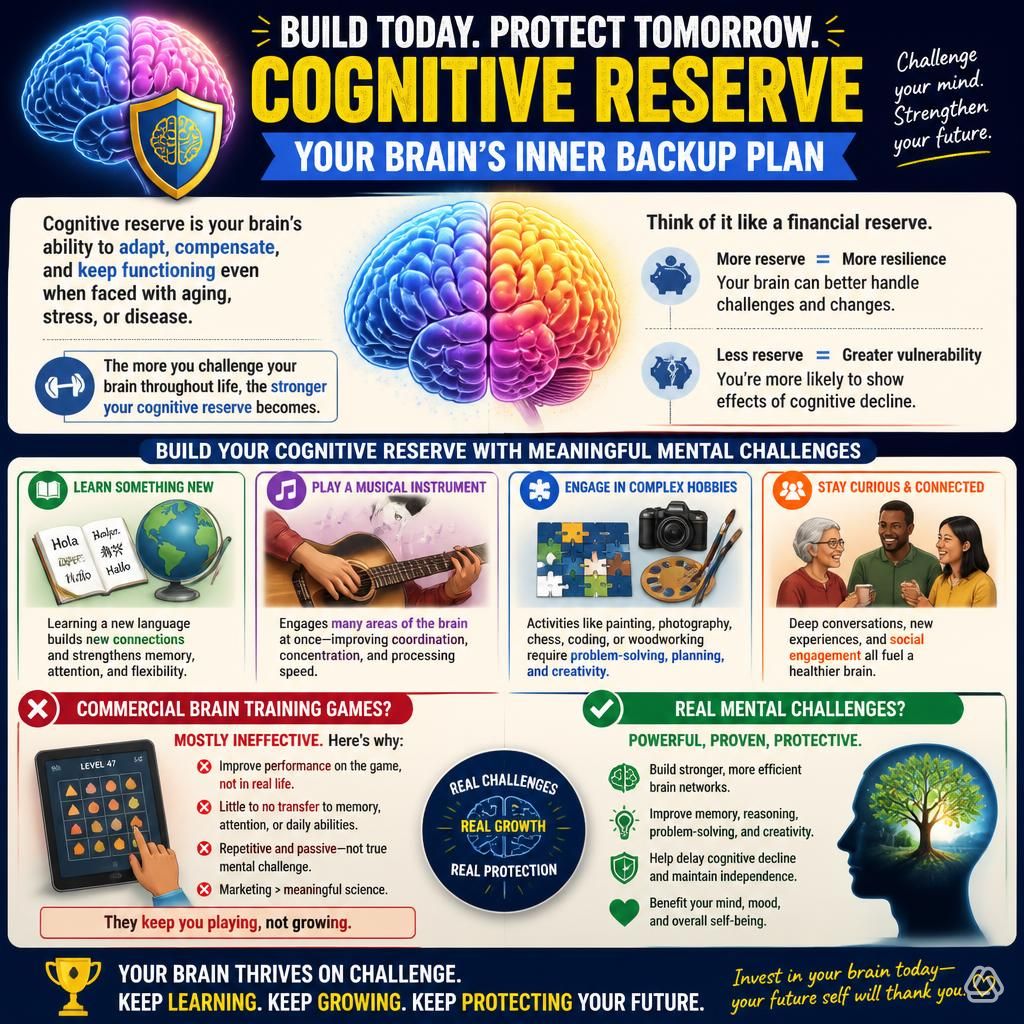
Habit 5 — Challenge Your Brain Continuously
The brain is not a muscle that weakens from use — it is a muscle that weakens from disuse. Cognitive reserve — your brain’s buffer against decline — is built through sustained, genuine mental challenge that forces the formation of new neural pathways. Learning a new language, musical instrument, or complex hobby has been shown in longitudinal studies to delay cognitive decline onset by years.
An important distinction: the research on commercial brain training games (computerised memory puzzles, reaction-time apps) is weak with respect to real-world cognitive transfer. These programs improve performance on the specific tasks they train — but that improvement rarely transfers to broader cognitive function or dementia risk reduction. The brain demands genuine novelty, complexity, and sustained effort to build meaningful reserve.
🎓 What Counts as Genuine Brain Challenge?
- Learning a new language (even partial fluency builds significant reserve)
- Learning a musical instrument — particularly demanding for multimodal brain engagement
- A craft requiring fine motor skill and creative problem-solving (woodworking, pottery, technical drawing)
- Strategic games requiring multi-step planning: chess, bridge, complex board games
- Active, analytical reading followed by discussion or written reflection
- A new academic subject or vocational skill studied systematically
The key qualities: novelty, complexity, and ongoing challenge. Once a skill becomes automatic, the brain-building stimulus declines. Keep pushing the edge of what you can do.
Habit 6 — Protect Your Social Connections
In 2023, the U.S. Surgeon General issued an advisory classifying social isolation as a public health crisis with health impacts equivalent to smoking 15 cigarettes per day. For long-term brain health specifically, the evidence is unambiguous and striking.
Social engagement actively exercises and maintains executive function networks, emotional processing circuits, and communication centres — among the most cognitively demanding and neuroprotective activities available to the human brain. When you navigate a meaningful conversation, read social cues, regulate emotions, and engage in reciprocal communication, you are performing extraordinarily complex cognitive work.
The Harvard Study of Adult Development — an 85-year longitudinal study and one of the longest in history — identified quality social connections as the single strongest predictor of healthy aging and cognitive longevity, outperforming cholesterol levels, blood pressure, and even genetics in predicting late-life cognitive function. This is not a soft finding. Social connection is neurologically protective at a structural level.
Prioritise quality over quantity. Deep, reciprocal relationships with a few people provide more cognitive benefit than shallow social contact with many. Loneliness — the subjective experience of social disconnection — is the risk factor, not simply being alone.
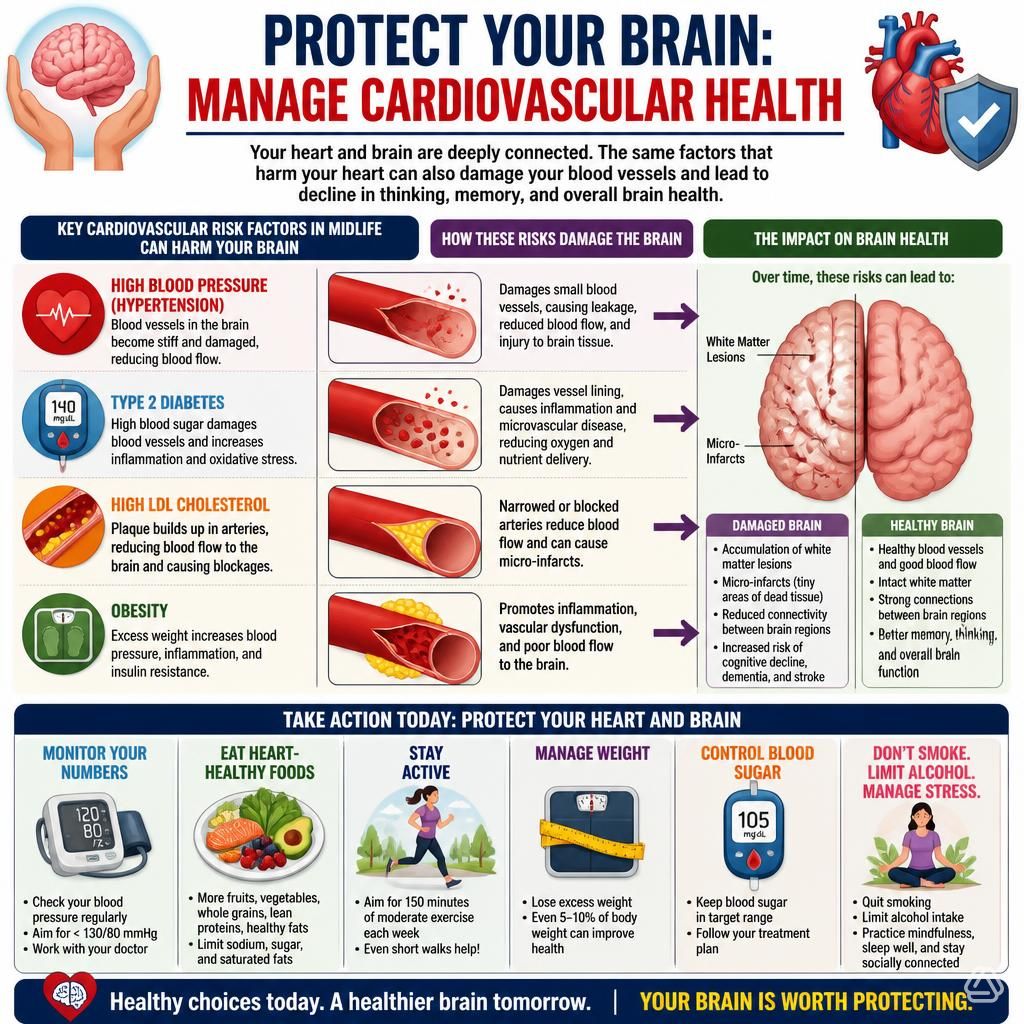
Habit 7 — Manage Cardiovascular Risk Factors
The brain receives approximately 20% of the body’s entire blood supply despite comprising only about 2% of body weight. It is, above all, a vascular organ — exquisitely dependent on clean, consistent blood flow for oxygen, glucose, and waste removal. What damages your heart and blood vessels damages your brain — often years before cognitive symptoms appear.
The Lancet Commission on Dementia Prevention (2020) identified midlife hypertension as one of the single most modifiable dementia risk factors — more controllable than genetics, and with intervention effects that compound positively over decades. Uncontrolled high blood pressure causes progressive small-vessel damage throughout the brain, producing white matter lesions and silent micro-infarcts that accumulate into significant cognitive impairment.
Type 2 diabetes, high LDL cholesterol, and obesity independently accelerate cognitive decline through overlapping vascular and inflammatory mechanisms. Taken together, these cardiovascular risk factors are estimated to account for a substantial proportion of dementia cases that are theoretically preventable.
Practical steps:
- Know your blood pressure — and treat it if elevated (target below 130/80 mmHg in midlife per current guidelines)
- Maintain a healthy weight through consistent diet and exercise
- Manage blood sugar through anti-inflammatory nutrition and regular movement
- Work proactively with a healthcare provider for any diagnosed conditions — do not wait for symptoms
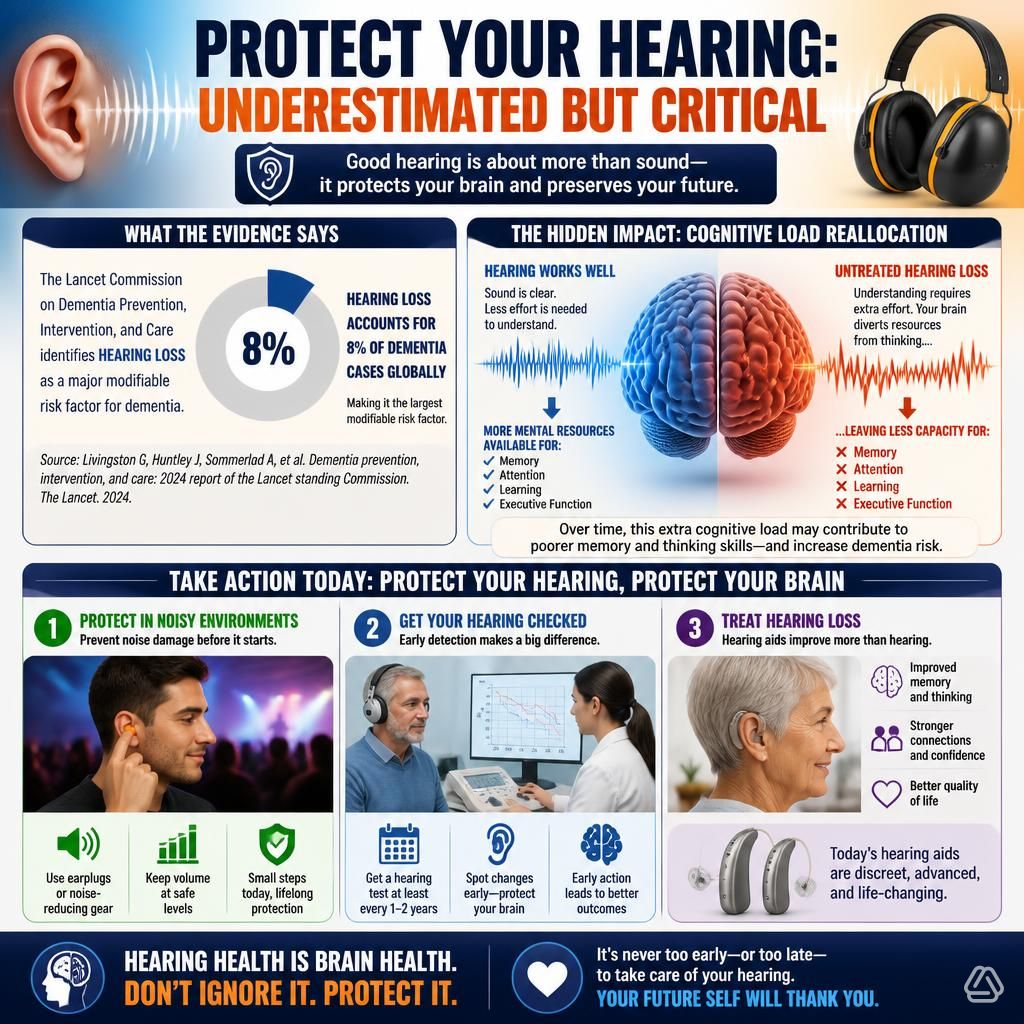
Habit 8 — Protect Your Hearing (Underestimated but Critical)
Of all eight habits in this post, this is the one most consistently overlooked — and the data demands that change. The Lancet Commission on Dementia identified hearing loss as the largest single potentially modifiable dementia risk factor in midlife, accounting for an estimated 8% of dementia cases that might theoretically be prevented or delayed.
The mechanisms are multiple. Untreated hearing loss forces the brain to devote increasing cognitive resources to decoding degraded auditory input — a process called cognitive load reallocation — diverting capacity away from memory and executive function. It also progressively reduces social engagement, eliminating one of the brain’s most powerful protective stimuli. And accumulating evidence suggests that the auditory cortex and its connected networks begin to atrophy with reduced input, contributing directly to structural brain decline.
Protect your hearing proactively:
- Limit loud noise exposure — sustained exposure above 85 dB causes cumulative, irreversible cochlear damage
- Use hearing protection consistently in noisy environments (concerts, power tools, heavy machinery)
- Get hearing tested regularly from age 50 — many people with significant hearing loss are unaware of its extent
- If hearing loss is identified, treat it — modern hearing aids meaningfully reduce cognitive load and social withdrawal
The Compounding Effect — Why Consistency Beats Intensity
The most important thing to understand about this framework is that these eight habits are not eight separate interventions. They are an integrated, synergistic system — and the whole is substantially greater than the sum of its parts.
Consider the chain: sufficient sleep enables the brain to produce more BDNF in response to exercise the next day. Regular exercise reduces systemic inflammation, making the anti-inflammatory diet more effective and lowering the baseline cortisol level. Lower cortisol improves sleep architecture, enhancing glymphatic clearance. Social connection elevates mood and motivation, making it easier to maintain exercise habits and dietary discipline. Cardiovascular health ensures the brain receives the blood flow needed to benefit from all of the above.
| Habit Combination | Synergistic Effect |
|---|---|
| Sleep + Exercise | Sleep amplifies post-exercise BDNF release; exercise deepens sleep quality |
| Exercise + Anti-Inflammatory Diet | Both reduce neuroinflammation via different pathways — combined effect is additive |
| Stress Management + Sleep | HPA axis resets during deep sleep; lower cortisol enables better sleep architecture |
| Social Connection + Cognitive Challenge | Social learning (discussing, debating, teaching) activates more neural networks than solitary study |
| Cardiovascular Health + All Habits | Clean cerebrovascular function is the foundation enabling all other neuroprotective habits to take effect |
This compounding dynamic is why doing all eight habits at moderate, sustainable intensity consistently outperforms doing any one habit intensively. A person who sleeps well, walks daily, eats mostly Mediterranean, manages stress adequately, stays socially connected, and monitors their blood pressure — even if none of those things are done perfectly — is building dramatically more cognitive reserve than someone who does extreme cold-water training three times a week but sleeps five hours and eats a Western diet.
Consistency over intensity. System over heroics. Every time.
Building Your Long-Term Brain Protection Stack
Starting everything at once is the surest way to sustain nothing. Here is a sequenced, practical build-out designed for real life:
| Phase | Focus Habits | Why This Sequence |
|---|---|---|
| Start Now | Sleep consistency + daily movement (even 10-minute walks) | These two produce the fastest measurable neurological benefit and reinforce each other immediately |
| Month 1 | Add anti-inflammatory nutrition — Mediterranean diet basics | Sleep and exercise create the neurological substrate for dietary changes to take effect more powerfully |
| Month 2 | Add deliberate stress management practice (MBSR, nature exposure, structured recovery) | Exercise and dietary improvement have already begun lowering basal cortisol; formal practice deepens the effect |
| Month 3 | Add cognitive challenge — start learning something genuinely new | BDNF levels are elevated from regular exercise; this is the optimal neurological window for new learning |
| Ongoing | Reinforce social connection, cardiovascular monitoring, hearing protection | These require less daily activation but consistent awareness — schedule check-ins and protect them actively |
⚠ A Note on Medical Conditions
If you have diagnosed hypertension, type 2 diabetes, high cholesterol, or hearing loss, the habits in this post complement — but do not replace — appropriate medical treatment. Work with a qualified healthcare provider. Lifestyle interventions are most powerful when combined with evidence-based medical management of existing conditions.
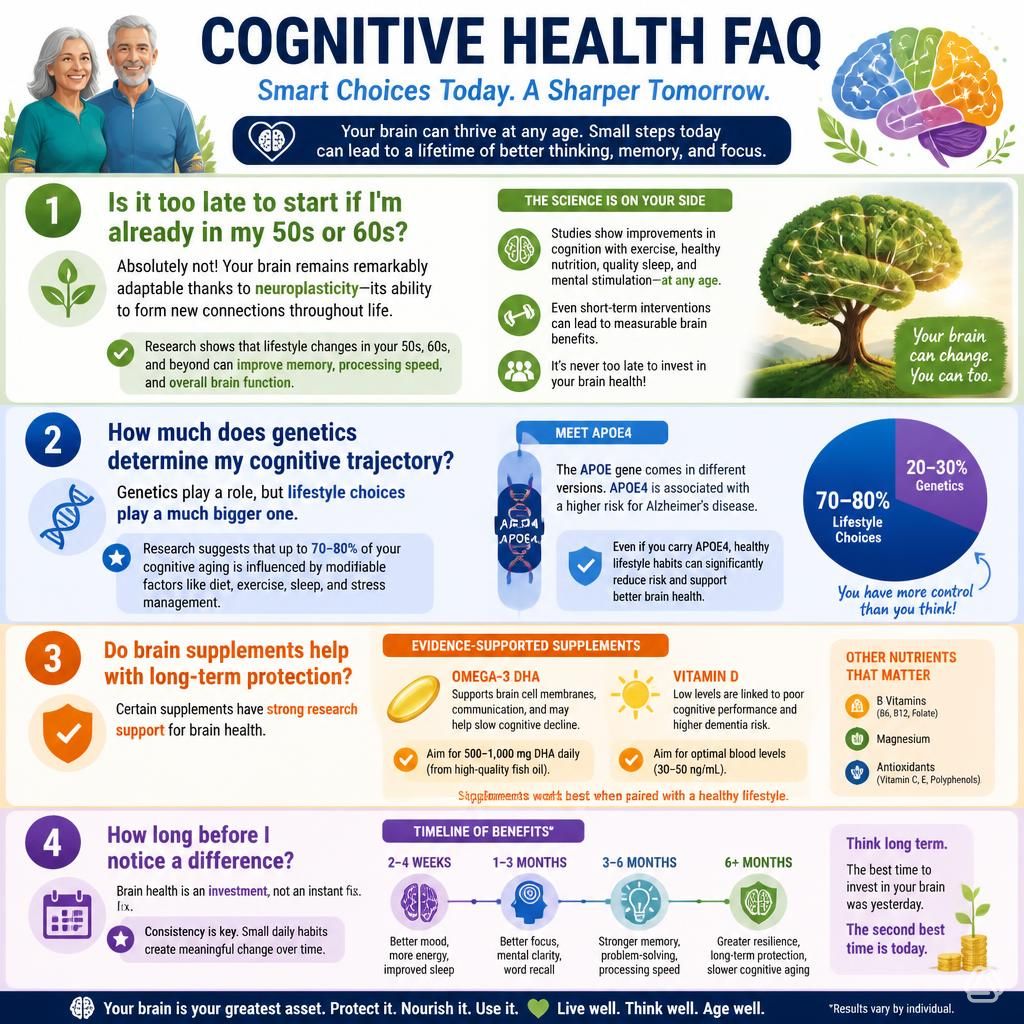
Frequently Asked Questions
Q: Is it too late to start if I’m already in my 50s or 60s?
No. Research consistently shows that starting brain-protective habits at any age produces measurable benefit. A landmark 2014 study published in JAMA found that lifestyle interventions in adults aged 60–77 improved cognitive function within just 2 years of starting. The brain remains neuroplastic — capable of structural improvement — throughout life. Starting later means a smaller head start, not a closed door. The research is clear: it is never too late to build cognitive reserve.
Q: How much does genetics determine my cognitive trajectory?
Less than most people believe. The APOE4 gene variant is the strongest known genetic risk factor for late-onset Alzheimer’s disease — but it is a risk factor, not a destiny. Research consistently shows that even APOE4 carriers who adopt protective lifestyle habits demonstrate dramatically reduced Alzheimer’s risk compared to APOE4 carriers who do not. Genetics loads the gun; lifestyle pulls — or declines to pull — the trigger. For the vast majority of people without identified genetic risk factors, lifestyle choices are the dominant determinant of cognitive aging.
Q: Do brain supplements help with long-term protection?
Some show genuine promise. Omega-3 DHA (low levels are associated with accelerated cognitive decline — and most Western diets are severely deficient), vitamin D (deficiency is independently linked to cognitive decline across multiple large cohort studies), and magnesium (emerging evidence for synaptic plasticity support) are among the most evidence-supported. However, no supplement has demonstrated the long-term neuroprotective effect of consistent sleep, regular aerobic exercise, and an anti-inflammatory diet. Supplements are potential additions to a strong foundation — not substitutes for it.
🔗 See also: The WellnessWays Brain Clarity Foundation Protocol
Q: How long before I notice a difference?
Some changes are faster than expected. Improvements in sleep quality, mood, and mental clarity often emerge within 2–4 weeks of consistent exercise and sleep prioritisation. Measurable changes in hippocampal volume (as shown in Erickson et al.) occur over months. The long-term neuroprotective effects — slower cognitive aging, reduced dementia risk, preserved brain volume — compound over years and decades. Think of this as investing, not spending: the returns are real, but they accumulate on a timeline that reflects the seriousness of what you’re building.

✅ Long-Term Brain Protection Checklist
Use this as your weekly self-audit. Each item represents an active investment in your cognitive future.
- ☐ Sleep 7–9 hours at consistent times each night — protecting glymphatic clearance of amyloid beta
- ☐ 150+ minutes of aerobic movement per week — walking, cycling, swimming, or equivalent
- ☐ Eat an anti-inflammatory diet consistently — prioritising fatty fish, leafy greens, berries, nuts, and olive oil
- ☐ Practise active stress management — not avoidance, but deliberate, regular cortisol reduction (MBSR, nature, exercise)
- ☐ Engage in genuine cognitive challenge — learning something new, complex, and progressively demanding
- ☐ Invest in quality social connections — prioritise depth, reciprocity, and regular in-person engagement
- ☐ Monitor and manage cardiovascular risk factors — blood pressure, blood sugar, weight, cholesterol
- ☐ Protect and test your hearing — limit loud exposure, use protection, get tested from age 50
Your brain is not destined to decline. The research is unambiguous — consistent, daily investment in these eight habits builds a brain that ages slowly, stays sharp, and serves you well for decades. The compounding is real. The neuroplasticity is real. The protection is real. The best time to start was 20 years ago. The second-best time is today.

Further Reading on WellnessWays.net
- The WellnessWays Brain Clarity Foundation Protocol
- Sleep Optimization — The Science of a Brain-Restoring Night
- Exercise and the Brain — The Cognitive Case for Moving Your Body
- The Anti-Neuroinflammation Diet — What to Eat for a Sharper Brain
- The 5 Daily Vitality Habits That Actually Change Your Brain
This article is for informational and educational purposes only and does not constitute medical advice. Always consult a qualified healthcare provider regarding any medical conditions, symptoms, or treatment decisions. References: Erickson et al., PNAS (2011); Morris et al., Alzheimer’s & Dementia (2015); Lancet Commission on Dementia Prevention, Intervention, and Care (2020); U.S. Surgeon General Advisory on Social Isolation (2023); Harvard Study of Adult Development (ongoing); Alzheimer’s Association Risk Reduction Guidelines.