
WellnessWays.net | Brain Health & Nutrition
Anti-inflammatory diet for brain health: The Anti-Neuroinflammation Diet And What to Eat for a Sharper Brain
Real food-first guidance, grounded in neuroscience — not a fad diet, not a supplement pitch.
Published: Monday, 21 September 2026 | Category: Brain Health, Nutrition | Reading time: approx. 12 min
Wild salmon over leafy greens with olive oil: one of the most brain-protective meals you can build.
Your brain is the most metabolically demanding organ in your body. Despite accounting for only 2% of your body weight, it consumes roughly 20% of your daily caloric energy — an extraordinary biological investment.
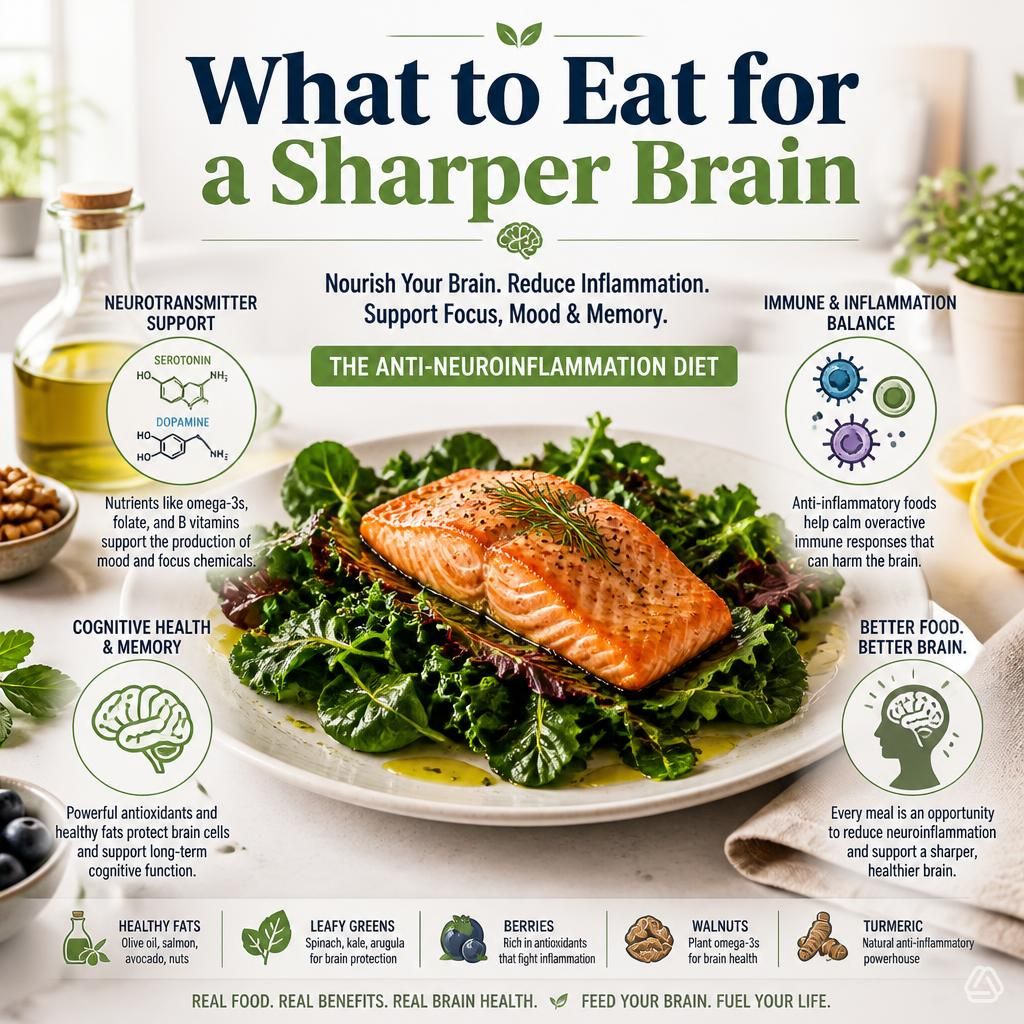
Every meal you eat sends a cascade of molecular signals directly into that organ: fuelling neurotransmitter production, regulating the immune cells that guard it, and either protecting or eroding the delicate structures that underpin your focus, memory, and mood.
Most “brain food” advice, unfortunately, stays on the surface. Eat fish. Take omega-3s. Drink green tea. These recommendations are not wrong — but they don’t explain why, or address the deeper mechanism that makes diet so powerfully relevant to cognitive health.
That mechanism is neuroinflammation — chronic, low-grade inflammation in the brain. And for the millions of adults experiencing persistent brain fog, declining focus, or unexplained mental fatigue, it is very likely part of the picture. The good news: diet is one of the most potent modulators of neuroinflammatory status we know of. This post shows you exactly what to eat — and why — to shift the balance in your brain’s favour.
🧠 What Is Neuroinflammation?
Neuroinflammation is chronic, low-grade inflammation in the brain — driven by activated microglia (the brain’s resident immune cells) releasing pro-inflammatory cytokines such as IL-1β, IL-6, and TNF-α. Unlike acute inflammation — which is protective, short-term, and necessary — chronic neuroinflammation is destructive. It impairs synaptic function, disrupts neurotransmitter production (including serotonin, dopamine, and acetylcholine), compromises the blood-brain barrier, and over time accelerates neurodegeneration.
Diet is one of the most powerful known modulators of neuroinflammatory status. The food choices you make consistently — meal by meal, day by day — directly influence microglial activation, oxidative stress in brain tissue, and the integrity of the gut-brain axis that regulates neuroinflammatory signalling from the outside in.
The Brain–Diet Connection — What the Research Shows
This is not a wellness trend. The relationship between dietary patterns and brain health is one of the most robust and rapidly growing areas in nutritional neuroscience. Here are the landmark findings worth knowing.
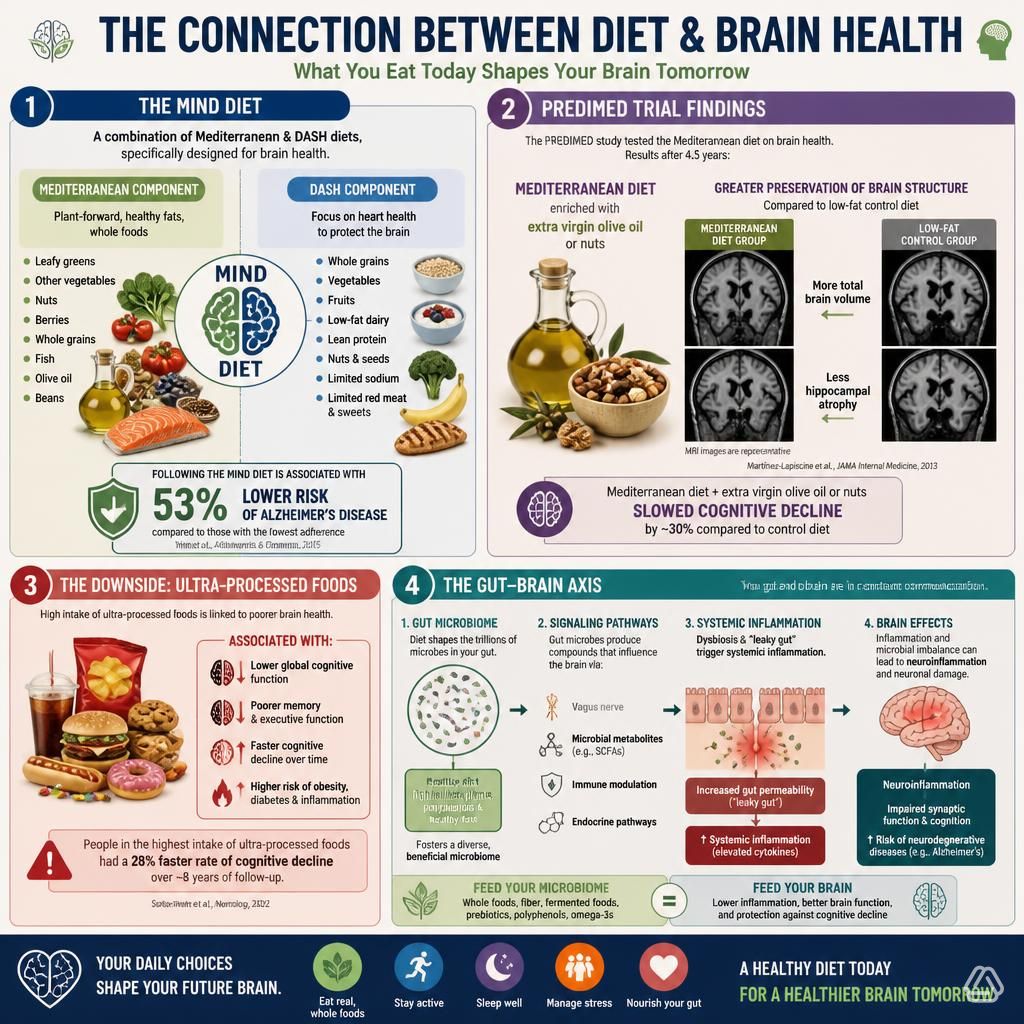
The MIND Diet (Morris et al., Rush University, 2015) was the first dietary pattern specifically designed for brain protection — combining the best elements of the Mediterranean and DASH diets into a brain-targeted framework. Published in Alzheimer’s & Dementia, the study found that strict adherents had a 53% reduced risk of Alzheimer’s disease, and even moderate adherents showed a 35% reduction in risk — a finding that surprised even its authors with its magnitude.
The PREDIMED trial, a large Spanish randomised controlled trial, demonstrated that a Mediterranean diet supplemented with extra virgin olive oil or nuts produced significantly reduced rates of cognitive decline compared to a low-fat control diet — with MRI evidence of structural brain preservation in the dietary intervention groups.
On the other side of the ledger, a major 2022 study published in The BMJ tracked over 72,000 adults and found that higher ultra-processed food consumption was associated with accelerated cognitive decline — including faster deterioration of executive function and memory — independent of other lifestyle factors.
Perhaps most compelling for understanding why diet matters so profoundly is the gut-brain axis. The gut microbiome — the trillions of bacteria, fungi, and archaea inhabiting your digestive tract — communicates bidirectionally with the brain via the vagus nerve, the enteric nervous system, and the immune system. Gut dysbiosis (microbial imbalance driven largely by poor diet) triggers systemic inflammation that crosses the blood-brain barrier, activating microglial cells and contributing directly to neuroinflammation. What you feed your gut microbiome has downstream consequences for your brain chemistry, mood, and cognitive clarity.
🔗 Related Reading on WellnessWays
- The WellnessWays Brain Clarity Foundation Protocol
- Daily Vitality Habits That Protect Your Brain Long-Term
- Exercise and the Brain — The Cognitive Case for Moving Your Body
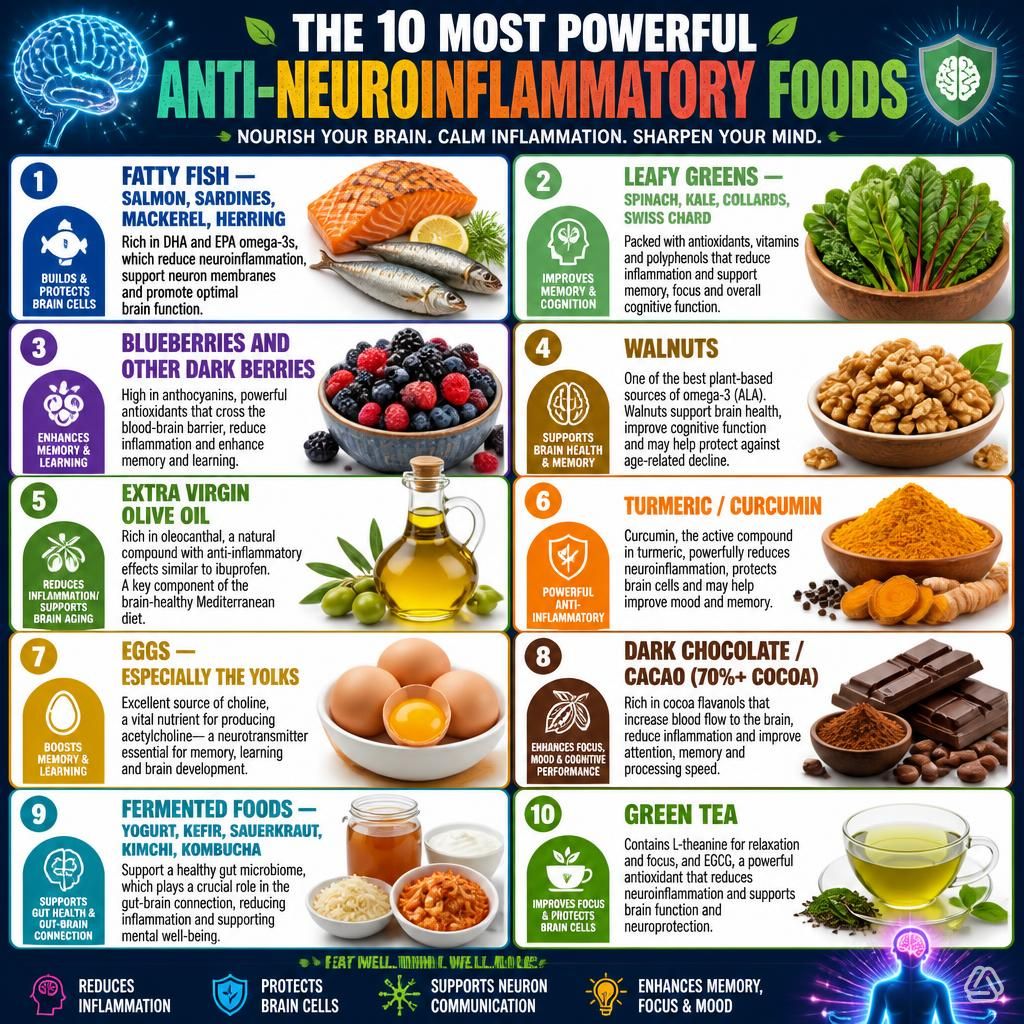
The 10 Most Powerful Anti-Neuroinflammatory Foods
These are not chosen for hype. Each food below has meaningful human evidence supporting its role in reducing neuroinflammation, supporting neuronal function, or protecting long-term cognitive health. Together, they form the nutritional core of a brain-protective diet.
1. Fatty Fish — Salmon, Sardines, Mackerel, Herring
If there is a single most evidence-supported brain food on the planet, it is fatty fish. Here is why: DHA (docosahexaenoic acid), the long-chain omega-3 fatty acid concentrated in oily fish, makes up approximately 60% of the brain’s structural fat. It is essential for membrane fluidity, synaptic signalling efficiency, and the production of BDNF (brain-derived neurotrophic factor) — the protein that promotes neuronal growth and survival. Its partner, EPA (eicosapentaenoic acid), directly suppresses the production of pro-inflammatory cytokines, reducing neuroinflammatory activity at a molecular level.
Target: 2–3 servings per week minimum. Wild-caught fish are preferable for omega-3 density. If fish is genuinely unavailable or avoided, an algae-based DHA supplement is the optimal alternative — fish accumulate DHA by eating algae, so algae oil is the original, unintermediated source.
2. Leafy Greens — Spinach, Kale, Collards, Swiss Chard
The MIND diet places leafy greens as its single highest-priority food category, recommending 6 or more servings per week for maximum brain protection. The reasoning is multi-layered. Vitamin K (particularly K1 and the converted MK-4 form) is associated with better verbal episodic memory in older adults. Folate reduces homocysteine — elevated homocysteine is a well-established driver of accelerated brain atrophy and white matter lesions. Lutein, a carotenoid concentrated in brain tissue, correlates with cognitive performance even when controlling for other factors. And dietary nitrates from greens are converted to nitric oxide in the body, directly increasing cerebral blood flow.
Practical tip: A large handful of spinach or kale wilts to almost nothing when cooked. Adding greens to eggs, soups, or smoothies is a low-effort, high-return habit.
3. Blueberries and Other Dark Berries
The deep blue-purple pigment of blueberries comes from anthocyanins — a class of flavonoid compounds with a remarkable ability to cross the blood-brain barrier and act directly on brain tissue. Once there, they reduce oxidative stress, suppress neuroinflammatory signalling, and promote neuronal communication. A 2020 meta-analysis found that blueberry supplementation produced significant improvements in memory and processing speed in older adults with mild cognitive impairment.
Target: A half-cup serving several times per week. Other excellent choices include blackberries, strawberries, cherries, and pomegranate — all rich in anthocyanins and related polyphenols. Frozen berries are nutritionally equivalent to fresh and far more economical year-round.
4. Walnuts
Walnuts are uniquely positioned among nuts: they are the only variety providing meaningful omega-3 ALA (alpha-linolenic acid), alongside vitamin E (in the tocopherol form most relevant to neuroprotection), brain-active polyphenols, and even a small amount of melatonin. A UCLA cross-sectional study of more than 5,000 adults found that walnut consumption was associated with significantly better scores on cognitive function tests — including memory, concentration, and information processing speed — across all age groups.
Target: 1 small handful — approximately 28g or 7 whole walnuts — daily. Their caloric density makes them a satisfying addition to any meal or snack.
5. Extra Virgin Olive Oil
Extra virgin olive oil (EVOO) is the nutritional cornerstone of the Mediterranean diet, and its brain benefits extend well beyond its anti-inflammatory fatty acid profile. The key compound is oleocanthal — a polyphenol unique to high-quality EVOO — which has been shown in research to reduce amyloid beta accumulation in the brain by enhancing autophagy, the brain’s cellular waste-clearance mechanism. Its high oleic acid content also supports myelin integrity — the protective sheath around neurons essential for fast, efficient signal transmission.
⚠ Quality Matters — Know Your Olive Oil
Much of what is labelled “olive oil” in supermarkets is adulterated with cheaper refined oils. For brain benefit, choose certified extra virgin olive oil with a harvest date on the label (not just a “best by” date). Consume within 12–18 months of harvest. Store in a dark bottle away from heat and light. The oil should taste distinctly peppery at the back of the throat — that sensation is oleocanthal.
6. Turmeric / Curcumin
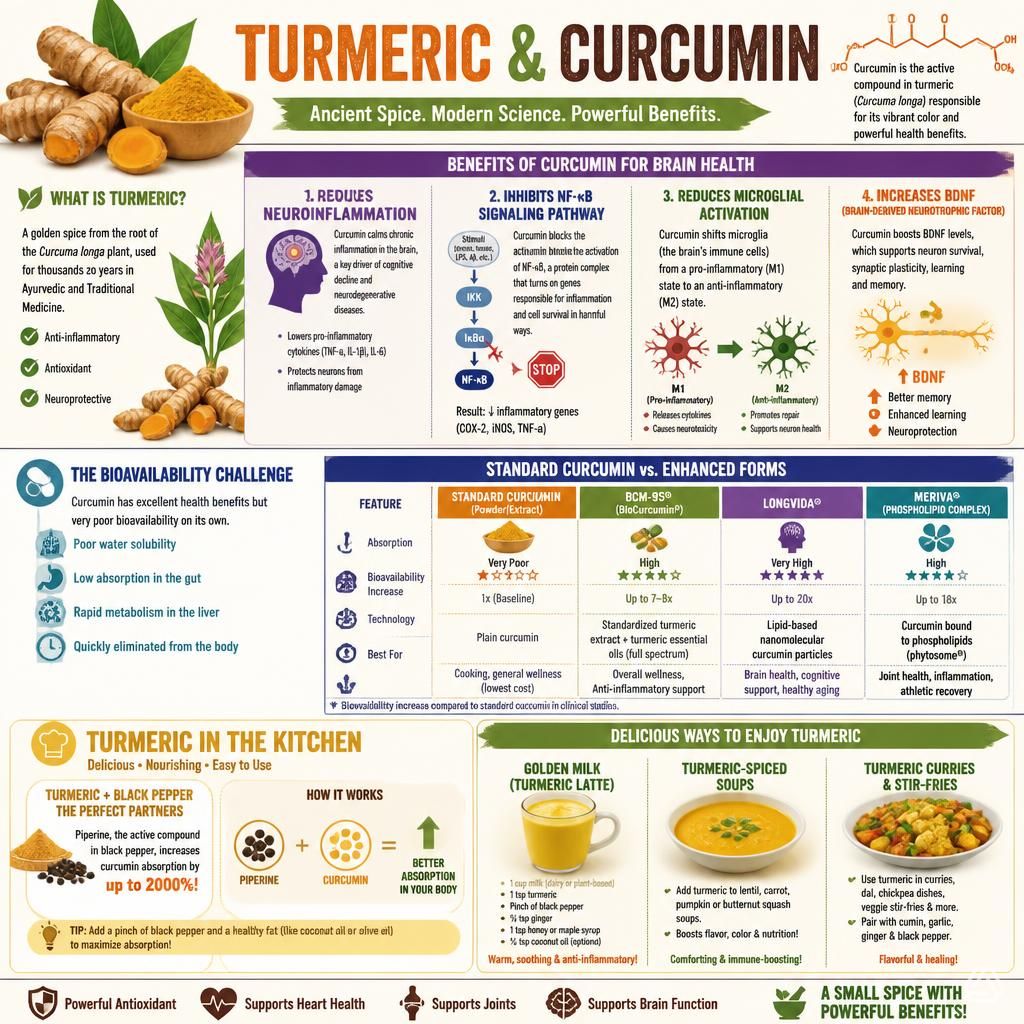
Curcumin, the active polyphenol in turmeric, has extensive preclinical evidence for neuroinflammation reduction — inhibiting NF-κB signalling pathways, reducing microglial activation, and increasing BDNF. Human trial results have historically been mixed, but the culprit is largely bioavailability: standard curcumin is very poorly absorbed from the gut. Enhanced bioavailability forms — including BCM-95, Longvida, and Meriva — show more consistent cognitive benefits in human trials by dramatically improving absorption.
In everyday cooking: use turmeric generously, always paired with black pepper. Piperine, the active compound in black pepper, increases curcumin absorption by approximately 2,000%. Cooking with a healthy fat further enhances uptake. Golden milk, turmeric-spiced soups, and curries are practical, delicious delivery mechanisms.
7. Eggs — Especially the Yolks
Egg yolks are the most concentrated dietary source of choline — the nutritional precursor to acetylcholine, the primary neurotransmitter of learning, memory formation, and attentional control. Despite its importance, most adults fail to meet the adequate intake for choline. Two whole eggs provide approximately 300mg of choline, against an adequate intake of 550mg/day for men and 425mg/day for women. Egg yolks are also rich in lutein and zeaxanthin — carotenoids that accumulate in brain tissue and are associated with preserved cognitive function in older adults.
The decades-old concern about dietary cholesterol from egg yolks has been substantially revised in the nutritional science literature. For most healthy individuals, whole egg consumption does not adversely affect cardiovascular risk profiles, and the cognitive nutrition benefits of the yolk are substantial.
8. Dark Chocolate / Cacao (70%+ Cocoa)
This is not a licence for confectionery — but it is legitimate nutrition science. Cocoa flavanols, particularly epicatechin, have been shown to improve cerebral blood flow, increase BDNF levels, and reduce neuroinflammatory markers. The landmark COSMOS-Mind trial (2022, published in the American Journal of Clinical Nutrition) found that cocoa flavanol supplementation significantly slowed age-related cognitive decline over a three-year follow-up period.
Practical application: 1–2 squares of 70% or higher dark chocolate daily provides meaningful flavanol intake. Milk chocolate does not qualify — cocoa content is too diluted and sugar content too high. The higher the cocoa percentage, the greater the flavanol concentration.
9. Fermented Foods — Yogurt, Kefir, Sauerkraut, Kimchi, Kombucha
The gut-brain connection makes gut microbiome diversity one of the most important predictors of neuroinflammatory status. Fermented foods introduce live probiotic bacteria that reinforce gut barrier integrity — reducing the “leaky gut” phenomenon that allows bacterial endotoxins to enter the bloodstream and eventually drive neuroinflammation via the vagus nerve pathway. A 2021 Stanford University study published in Cell demonstrated that consuming a diet high in fermented foods over 10 weeks produced greater microbiome diversity and measurably reduced systemic inflammatory markers — outperforming a high-fibre diet in head-to-head comparison for inflammatory outcomes.
Practical entry points: Plain full-fat yogurt or kefir at breakfast; a tablespoon of sauerkraut or kimchi alongside lunch or dinner. Aim for variety across the week rather than relying on a single fermented food source.
10. Green Tea
Green tea delivers two distinct cognitive compounds simultaneously. L-theanine (100–200mg per cup) promotes alpha brainwave activity — the neural signature of calm, focused alertness — making it one of the few dietary compounds with a measurable, relatively immediate effect on attentional state. EGCG (epigallocatechin gallate), green tea’s primary catechin, is a potent antioxidant that crosses the blood-brain barrier, where it exerts direct neuroprotective effects and reduces oxidative stress in neuronal tissue. Multiple large Japanese cohort studies have associated regular green tea consumption with significantly reduced rates of cognitive decline in older adults.
When combined with its modest caffeine content, green tea provides a cognitively coherent alternative to coffee — with a smoother, more sustained alertness profile.
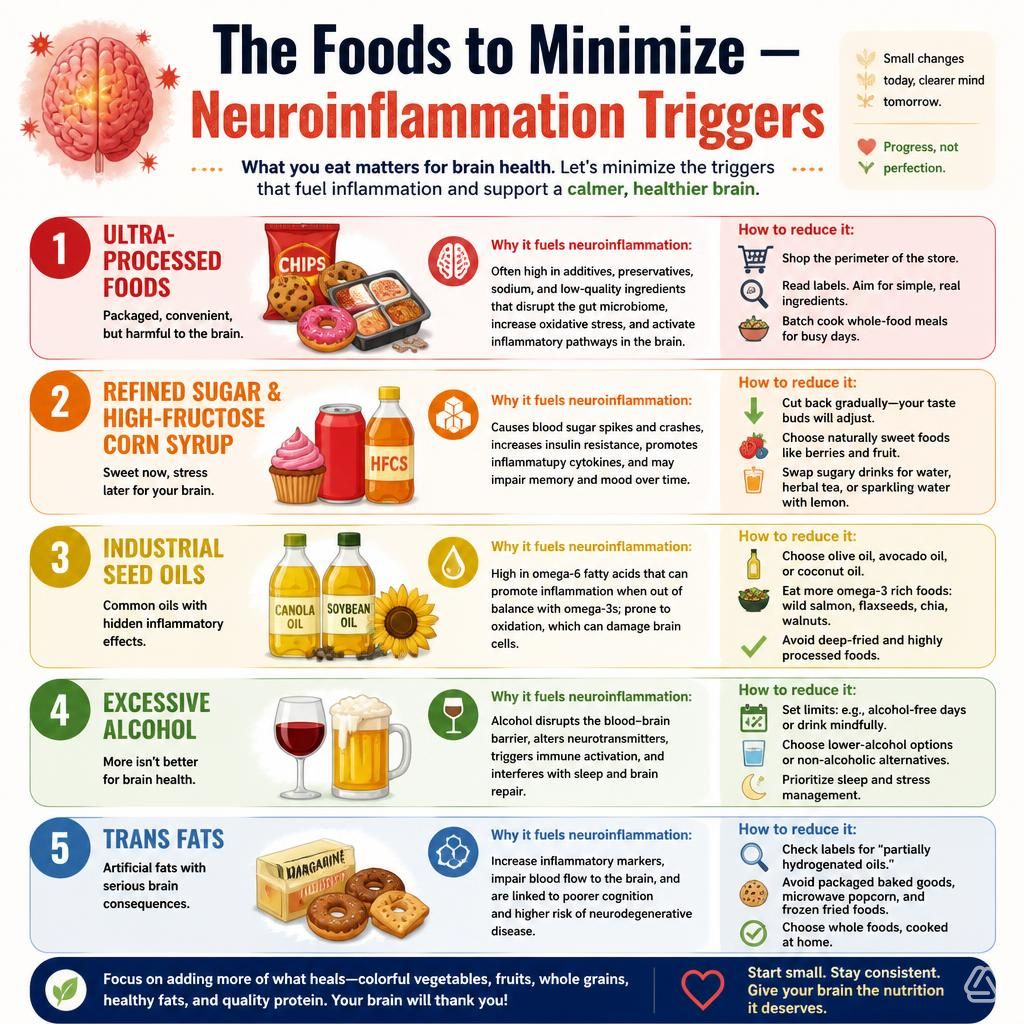
The Foods to Minimize — Neuroinflammation Triggers
A brain-protective diet is not only about addition — it is also about reduction. The following categories are among the best-evidenced dietary drivers of neuroinflammation. The goal is not elimination or guilt, but honest awareness and gradual, sustainable reduction.
🔴 Ultra-Processed Foods
Refined carbohydrates, industrial seed oils, artificial additives, emulsifiers, and preservatives found in packaged, ready-made, and fast foods represent the single largest dietary driver of systemic and neuroinflammation in the modern Western diet. Reducing ultra-processed food consumption is consistently identified in research as the highest-impact single dietary change for cognitive benefit — even before optimising what whole foods are added.
| Food / Category | Neuroinflammatory Mechanism | Practical Strategy |
|---|---|---|
| Refined sugar & high-fructose corn syrup | Drives brain insulin resistance (linked to what some researchers now term “Type 3 diabetes” / Alzheimer’s). Feeds pathogenic gut bacteria. Triggers neuroinflammatory cytokine cascades. | Swap sweetened drinks for water, sparkling water, or green tea. Choose whole fruit over fruit juice or desserts. |
| Industrial seed oils (vegetable, canola, sunflower, corn) | Very high omega-6 linoleic acid. Oxidatively unstable at cooking temperatures — produce aldehydes and other neurotoxic byproducts. Associated with elevated inflammatory markers when omega-6:omega-3 ratio is high. | Cook with extra virgin olive oil, avocado oil, or butter/ghee. Read ingredient labels on sauces, dressings, and packaged foods. |
| Excessive alcohol | Directly neuroinflammatory at moderate-to-high doses. Disrupts gut microbiome composition. Suppresses REM sleep — compounding neuroinflammatory load and impairing glymphatic brain clearance overnight. | No need for total elimination — but awareness of dosing and frequency matters. Reduce on weeknights to protect sleep architecture. |
| Trans fats (partially hydrogenated oils) | Associated with accelerated cognitive decline in multiple longitudinal studies. Banned in many countries but still present in some imported or processed foods. | Check ingredient labels for “partially hydrogenated” — even products labelled “0g trans fat” can contain small amounts per serving. |
The Anti-Neuroinflammation Diet — A Practical Week Template
This is a template, not a rigid prescription. Use it as a structural guide and adapt freely to your preferences, schedule, and what is locally available in season. The goal is to see how naturally the 10 key foods integrate into ordinary, enjoyable meals.
| Day | Breakfast | Lunch | Dinner | Snack |
|---|---|---|---|---|
| Monday | Eggs & spinach omelette cooked in EVOO | Wild salmon salad, leafy greens, EVOO & lemon dressing | Grilled mackerel, roasted broccolini, quinoa | Walnuts & 2 squares dark chocolate |
| Tuesday | Full-fat Greek yogurt, blueberries, walnuts, drizzle of honey | Lentil soup with turmeric, black pepper, wilted kale | Sardines on whole-grain toast, sliced avocado, cherry tomatoes | Green tea & a crisp apple |
| Wednesday | Scrambled eggs (2 yolks), sautéed Swiss chard, whole-grain toast | Kale Caesar salad with tinned wild salmon, EVOO dressing | Turmeric-spiced chicken thighs, collard greens, roasted sweet potato | Kefir smoothie with frozen berries |
| Thursday | Overnight oats with blueberries, ground flaxseed, chopped walnuts | Smoked mackerel pâté on rye crackers, cucumber, watercress | Baked salmon with miso-ginger glaze, steamed broccoli, brown rice | Small square of 85% dark chocolate, green tea |
| Friday | Full-fat yogurt parfait with pomegranate seeds, walnuts, cinnamon | Spinach and chickpea soup with EVOO drizzle, wholegrain bread | Herring fillets, kimchi, roasted asparagus, new potatoes | Walnuts & a handful of fresh or frozen berries |
💡 Weekend Flexibility
Use weekends to explore one new recipe featuring the key foods — a salmon curry with turmeric and kale, a walnut-topped grain bowl, or a blueberry-cacao smoothie. Variety across the week supports microbiome diversity and prevents dietary fatigue.
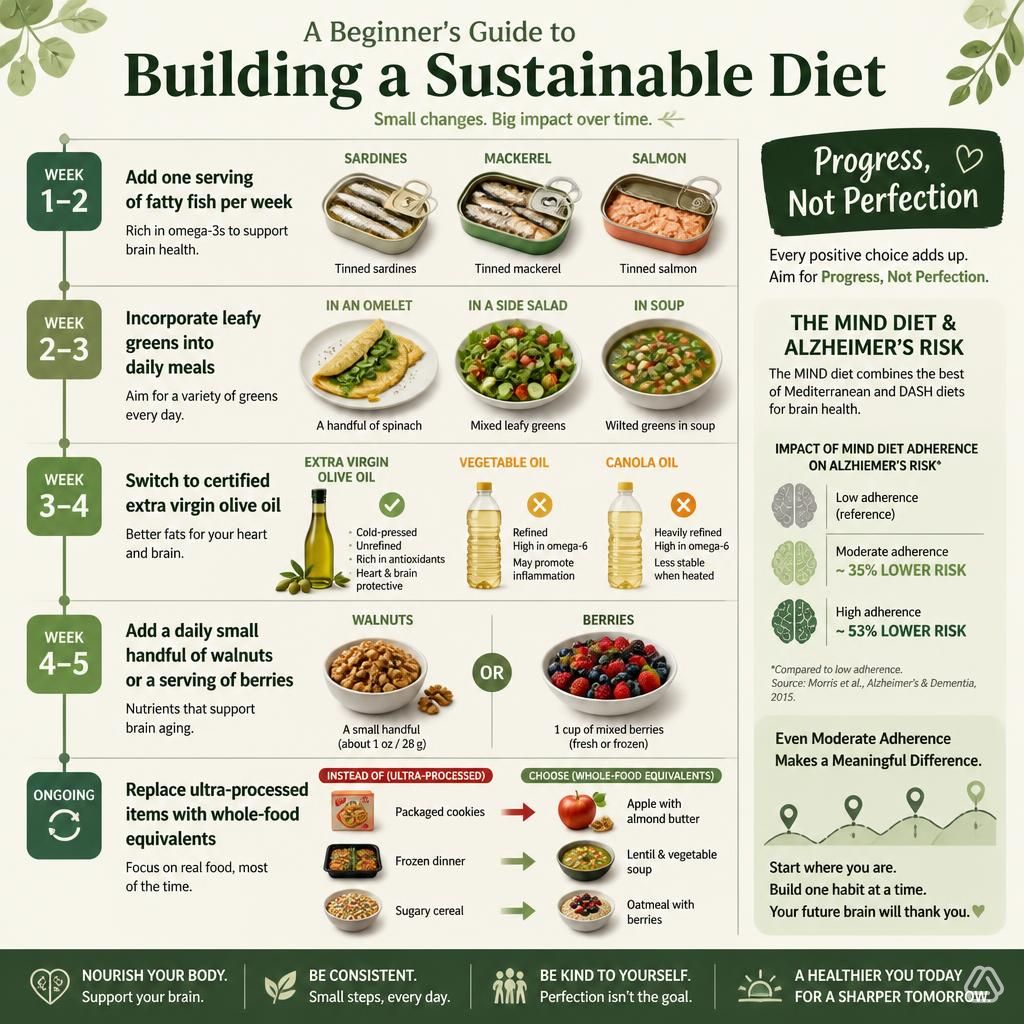
Building the Diet — Where to Start
If the above feels like a significant departure from how you currently eat, do not attempt to overhaul everything at once. Sustainable change happens through consistent, stackable small shifts — not wholesale dietary revolution that collapses under the pressure of real life.
A practical prioritisation sequence for beginners:
- Week 1–2: Add one serving of fatty fish per week. Build toward 2–3 over the following month. Tinned sardines, mackerel, or salmon are affordable, convenient starting points.
- Week 2–3: Add leafy greens to one meal every day. A handful in an omelette, a side salad, or wilted into soup counts fully.
- Week 3–4: Switch your primary cooking oil to certified extra virgin olive oil. Discard or phase out vegetable and canola oils.
- Week 4–5: Add a daily small handful of walnuts or a serving of berries — or both — as a snack or meal addition.
- Ongoing: Each week, identify one ultra-processed item in your regular diet and replace it with a whole-food equivalent. This process, repeated consistently over months, compounds into a fundamentally different dietary baseline.
📈 Progress, Not Perfection
The MIND diet research explicitly demonstrated that moderate adherence — not perfect adherence — produced a 35% reduction in Alzheimer’s risk. This diet is not an all-or-nothing proposition. Adding more brain-protective foods consistently, even alongside imperfect choices elsewhere, produces real, measurable benefit over time. The cumulative effect of months of consistent improvement is what drives meaningful cognitive outcomes.
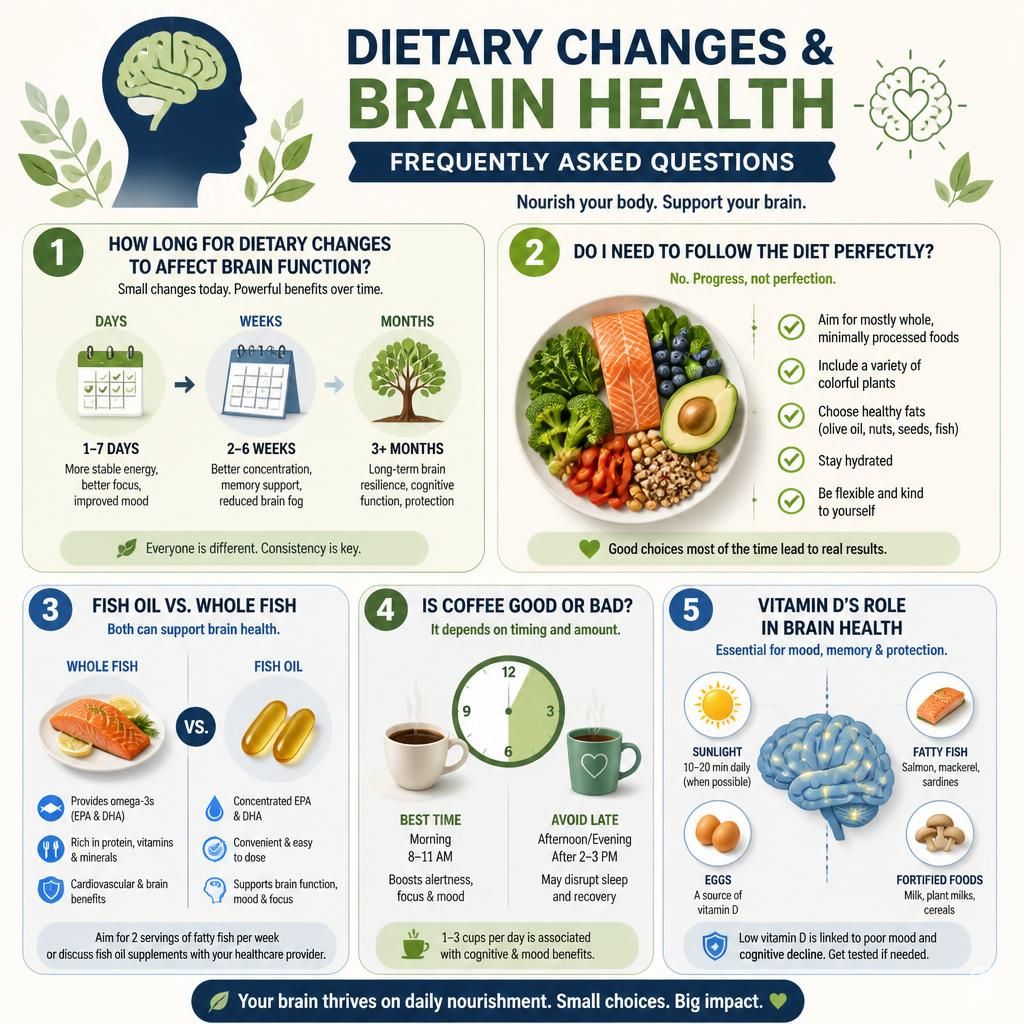
Frequently Asked Questions
❓ How long does it take for dietary changes to affect brain function?
The timeline varies by mechanism. Blood sugar stabilisation from reducing refined sugar and ultra-processed carbohydrates can produce noticeable improvements in mental clarity and sustained focus within days to a week. Broader anti-inflammatory effects from consistent dietary pattern changes typically emerge over 4–8 weeks. Long-term neuroprotective effects — the kind reflected in reduced dementia risk and preserved cognitive trajectory — require sustained adherence over months to years. Both timescales are worth pursuing: short-term for motivation, long-term for what matters most.
❓ Do I need to follow the diet perfectly to get benefits?
Absolutely not. The MIND diet research demonstrated that moderate adherence — not rigid, perfect compliance — still produced a 35% reduction in Alzheimer’s risk. This is a profoundly encouraging finding. Adding brain-protective foods confers benefit even without simultaneously eliminating every inflammatory food. Start with addition, let reduction follow naturally as your palate and habits shift.
❓ Are fish oil supplements as effective as eating whole fish?
Fish oil supplements can meaningfully supplement dietary DHA and EPA intake — and are a reasonable bridge when fish consumption is low. However, whole fish provides a nutritional matrix that capsules do not replicate: complete protein, vitamin D, selenium, iodine, and other compounds that work synergistically. The research base for cognitive benefit is strongest for whole dietary patterns, not isolated supplements. Aim for 2–3 servings of fatty fish per week from food and supplement strategically if targets are difficult to meet consistently.
❓ Is coffee good or bad for the brain?
Moderate coffee consumption (2–4 cups daily) is associated with reduced risk of neurodegenerative disease in multiple large observational studies, including Parkinson’s and Alzheimer’s. The mechanisms likely include BDNF stimulation, anti-neuroinflammatory effects, and adenosine receptor modulation. The primary concern is timing: caffeine consumed after approximately 1–2pm disrupts sleep architecture — particularly deep and REM sleep — which is when the brain’s glymphatic clearance system removes metabolic waste products, including amyloid beta. Impaired sleep compounds neuroinflammatory load significantly. Enjoy coffee in the morning; transition to green tea or herbal tea in the afternoon.
❓ What about vitamin D — does it matter for brain health?
Vitamin D receptors are found throughout the brain, including on microglia, and vitamin D plays a significant modulatory role in neuroinflammatory signalling. Deficiency (which is extremely common, particularly in northern latitudes and among people with limited sun exposure) is associated with elevated neuroinflammatory markers and increased risk of depression and cognitive decline. Fatty fish and egg yolks provide dietary vitamin D, but food sources alone are rarely sufficient to maintain optimal levels. A blood test for 25-OH vitamin D is the starting point; supplementation of 1,000–2,000 IU daily is appropriate for many adults, with dosing guided by actual levels.
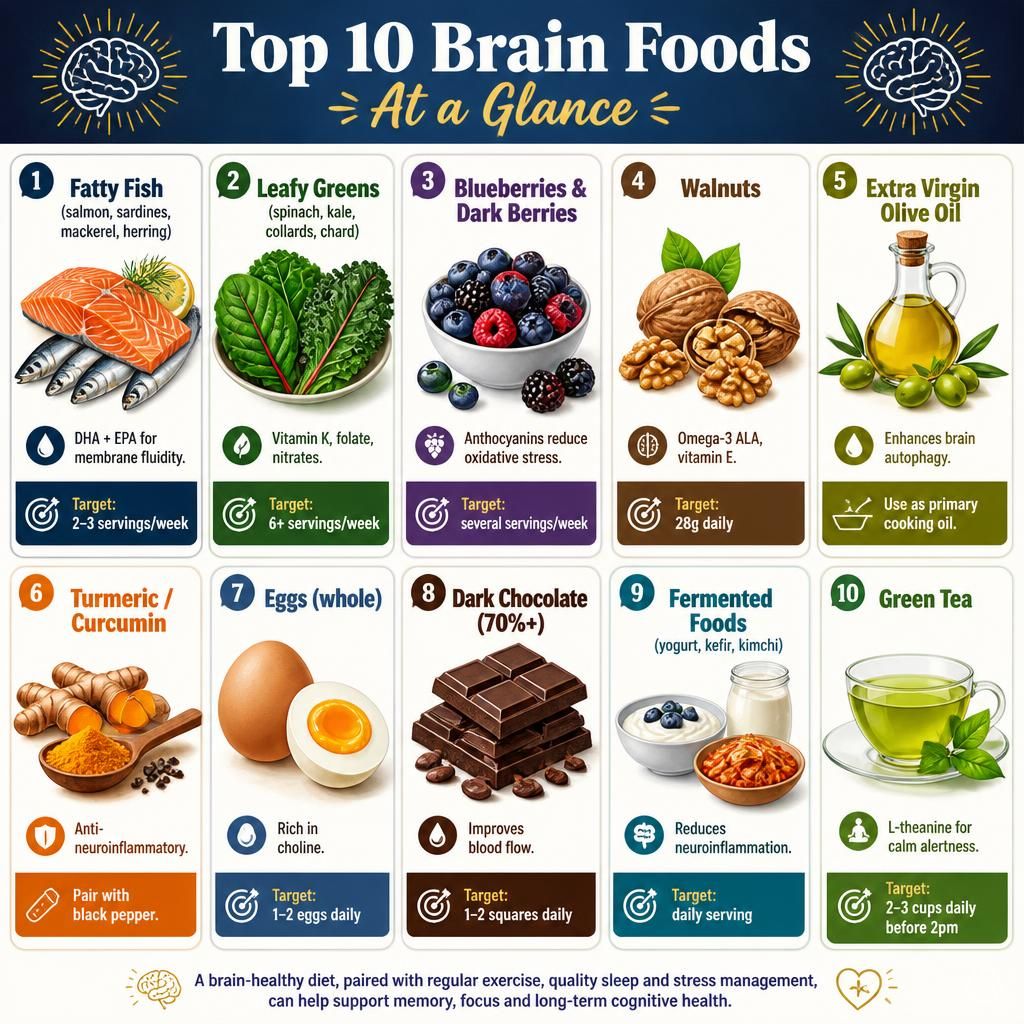
✅ Top 10 Brain Foods At a Glance
- Fatty Fish (salmon, sardines, mackerel, herring) — DHA + EPA for membrane fluidity, synaptic function, anti-neuroinflammation. Target: 2–3 servings/week.
- Leafy Greens (spinach, kale, collards, chard) — Vitamin K, folate, lutein, nitrates. Target: 6+ servings/week (MIND diet #1 food).
- Blueberries & Dark Berries — Anthocyanins cross the blood-brain barrier; reduce oxidative stress and neuroinflammation. Target: several servings/week.
- Walnuts — Omega-3 ALA, vitamin E tocopherols, neuroprotective polyphenols. Target: 28g (1 handful) daily.
- Extra Virgin Olive Oil — Oleocanthal enhances brain autophagy; oleic acid supports myelin. Use as primary cooking and dressing oil.
- Turmeric / Curcumin — Anti-neuroinflammatory. Always pair with black pepper (+ fat) for absorption. Use generously in cooking.
- Eggs (whole) — Richest dietary choline source; lutein and zeaxanthin. Target: 1–2 eggs daily.
- Dark Chocolate (70%+) — Cocoa flavanols improve cerebral blood flow and BDNF; COSMOS-Mind trial supports slowed cognitive decline. Target: 1–2 squares daily.
- Fermented Foods (yogurt, kefir, kimchi, sauerkraut) — Gut microbiome diversity reduces neuroinflammation via gut-brain axis. Target: daily serving.
- Green Tea — L-theanine for calm alertness; EGCG for neuroprotection. Target: 2–3 cups daily, before 2pm.
“Every meal is either an investment in your brain or a withdrawal from it. The anti-neuroinflammation diet isn’t about perfection or eliminating entire food groups — it’s about consistently adding more of what your brain thrives on, and less of what drives the inflammation that makes it struggle.”
Your brain built the life you’re living. It deserves to be fed accordingly — not with unrealistic rigidity, but with consistent, informed intention. Start with one change this week. Stack another the next. In six months, you may be surprised by how different your mind feels — and how straightforward it was to get there.
🔗 Continue Your Brain Health Journey on WellnessWays
- The WellnessWays Brain Clarity Foundation Protocol
- The 5 Daily Vitality Habits That Actually Change Your Brain
- Daily Vitality Habits That Protect Your Brain Long-Term
- Exercise and the Brain — The Cognitive Case for Moving Your Body
This article is for informational and educational purposes only. It does not constitute medical advice. Always consult a qualified healthcare professional before making significant dietary changes, particularly if you have existing health conditions or take medications.